What Camera Does Pewdiepie Use for Vlogging
PewDiePie’s vlogs have a distinct look that feels personal, clean, and effortlessly engaging. From crisp visuals to smooth motion, his videos stand out without feeling overly polished or artificial. This balance has made many viewers curious about the tools behind his everyday content.
As one of the most influential creators on YouTube, PewDiePie has evolved his filming style over the years. His setup reflects both practicality and quality, showing how the right camera can enhance storytelling without distracting from personality or authenticity.
Fans, aspiring vloggers, and content creators often ask the same question: What Camera Does Pewdiepie Use for Vlogging? It’s not just about brand names, but about understanding why a specific camera fits his workflow, environment, and creative approach so well.
Exploring his camera choice offers useful insight into what really matters for vlogging—reliable autofocus, strong low-light performance, and ease of use. By looking closer at his setup, creators can learn how to make smarter gear decisions that match their own content goals rather than simply chasing trends.
What Camera Does Pewdiepie Use for Vlogging?
When people ask What Camera Does Pewdiepie Use for Vlogging, the answer reflects his preference for simplicity paired with professional-quality results. Over the years, PewDiePie has experimented with different cameras, but his choices consistently focus on reliability, strong image quality, and ease of use rather than flashy or overly complex gear.
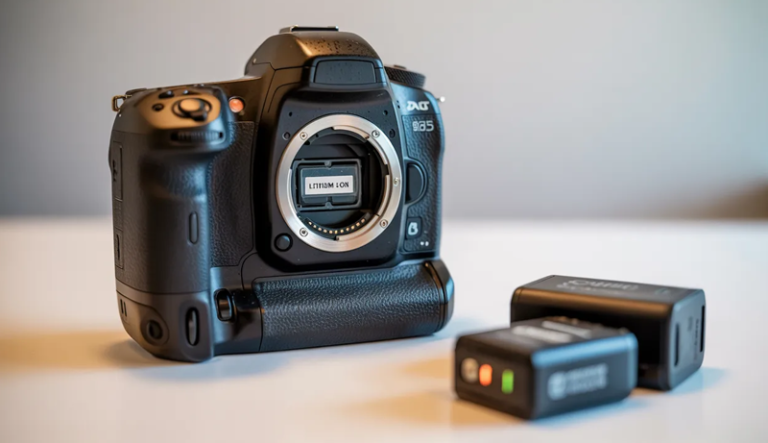
For a long time, he was known to use Sony mirrorless cameras, particularly models like the Sony A7 series. These cameras deliver excellent video quality, sharp autofocus, and solid low-light performance, which is ideal for indoor vlogging setups. Their full-frame sensors help create a clean, cinematic look without requiring heavy post-production.
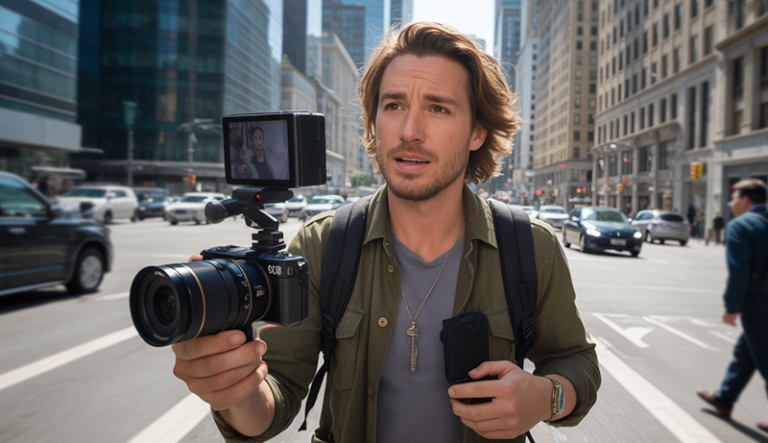
In more casual or travel-style vlogs, PewDiePie has also used compact cameras such as the Sony RX100 or Sony ZV-series. These smaller cameras are lightweight, fast to set up, and perfect for handheld shooting, making them a popular choice among vloggers who value mobility and convenience.
Another reason his camera choices work so well is their dependable autofocus and face tracking. This allows him to stay in focus while moving naturally on camera, keeping the content engaging without technical distractions. Built-in stabilization also helps maintain smooth footage during handheld shots.
Ultimately, his setup shows that great vlogging is less about owning the most expensive camera and more about choosing one that supports your style and consistency. Understanding What Camera Does Pewdiepie Use for Vlogging highlights how the right balance of quality, usability, and comfort can elevate content without complicating the creative process.
Why PewDiePie’s Camera Choice Matters
PewDiePie’s camera choice matters because it reflects how top creators balance quality, comfort, and authenticity. Instead of chasing trends, his setup supports consistent storytelling, natural performance, and long-term sustainability. By understanding why his camera works for him, creators can learn how equipment influences workflow, audience connection, and the overall viewing experience without overpowering the personality behind the lens.
How Camera Choice Supports Authentic Storytelling
PewDiePie built his audience on personality-driven content, and his camera choice plays a key role in preserving that authenticity. A reliable vlogging camera allows him to focus on expressing ideas naturally instead of constantly adjusting technical settings. This helps maintain a conversational tone that feels direct and personal to viewers.
The camera he uses delivers clean image quality without making the footage feel overly cinematic or artificial. This balance ensures that visuals enhance the message rather than distract from it. Viewers feel like they are part of the moment, not watching a heavily produced show.
Consistency is another major factor. Using a camera that performs predictably in different lighting conditions allows him to vlog comfortably indoors, outdoors, or while traveling. This reliability helps maintain a uniform visual identity across videos, which strengthens brand recognition.
Ultimately, the camera becomes an invisible tool rather than a focal point. When viewers are not distracted by technical flaws or excessive effects, the creator’s voice, humor, and reactions take center stage, which is essential for long-term audience engagement.
The Impact on Workflow and Creative Freedom
A practical camera choice directly affects how efficiently content can be created. PewDiePie’s setup minimizes friction during filming, allowing him to start recording quickly without complex preparation. This streamlined workflow supports spontaneity, which is a key element of his content style.
Fast and accurate autofocus reduces the need for retakes, especially during long talking segments. This saves time in both filming and editing, making the creative process less exhausting. A smoother workflow encourages consistency, which is critical for maintaining an active channel.
Portability also matters. A camera that is easy to handle allows for flexible shooting angles and casual handheld footage. This freedom makes it easier to adapt content ideas on the fly, whether filming at home or in a different environment.
By reducing technical obstacles, the camera supports creative momentum. Instead of thinking like a technician, the creator can think like a storyteller. This shift allows ideas to flow more naturally, resulting in content that feels relaxed, genuine, and engaging.
Why His Camera Choice Influences Other Creators
PewDiePie’s camera choice carries influence because many aspiring creators look to established figures for guidance. When he uses a camera that prioritizes usability over excessive specs, it sends a message that creativity matters more than expensive equipment.
This influence helps normalize realistic setups for beginners. Seeing a successful creator use accessible, reliable cameras reassures new vloggers that they don’t need complex gear to produce quality content. This lowers the barrier to entry and encourages experimentation.
His approach also highlights the importance of matching gear to content style. Rather than copying equipment blindly, creators are encouraged to think about how a camera fits their filming habits, environment, and comfort level.
As a result, his camera choice becomes a learning reference rather than a rule. It demonstrates that success comes from understanding tools, not obsessing over them, and that thoughtful equipment decisions can support growth without limiting creativity.
What Camera Does PewDiePie Currently Use?
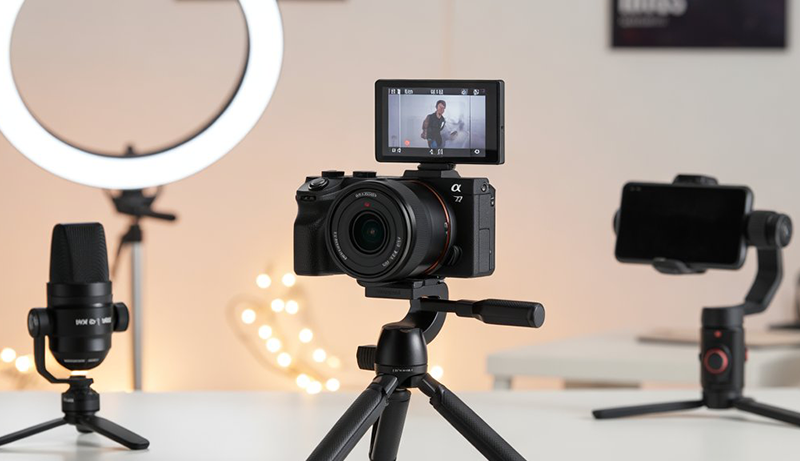
When looking at What Camera Does PewDiePie Currently Use, it’s clear his gear has evolved over time based on needs, style, and video format. Over the years, PewDiePie has been spotted using a range of cameras for his vlogs, from compact point-and-shoot devices to more professional setups that meet his content demands.
For many of his casual and on-the-go vlogs, PewDiePie has relied on a Canon PowerShot G7 X series camera. This lightweight, pocketable camera has long been favored by vloggers because it balances image quality with portability, making it ideal for daily filming, travel, and spontaneous shots. Its ease of use and reliable performance help maintain consistent video quality across a variety of shooting conditions.
In addition to compact cameras, some reports suggest he has also used other models like the Canon XA11 professional camcorder for more structured recordings or higher-quality footage. These types of camcorders offer features like extended zoom and stable Full HD recording, which can be helpful when shooting indoors or capturing more detailed scenes.
There have also been discussions and fan observations pointing to him sometimes filming with smartphones like the Samsung Galaxy S22 Ultra for convenience or specific shots where flexibility and mobility are key.
Overall, his current camera setup is a mixture of practical choices depending on what type of content he’s making, combining portable action-ready tools with more capable cams when needed to achieve quality without complexity.
Cameras PewDiePie Has Used in the Past
PewDiePie’s camera history reflects how a creator’s needs evolve alongside audience growth and platform changes. From basic recording tools in his early days to more refined and versatile equipment later on, each phase served a clear purpose. His choices were shaped by accessibility, production demands, and the need to maintain an authentic connection with viewers while gradually improving visual quality.
Early YouTube Years
During the early YouTube years, PewDiePie relied on very simple camera equipment. Like many creators starting out, he used basic webcams and low-cost consumer cameras that were easy to set up and didn’t require technical knowledge. These tools allowed him to focus entirely on recording gameplay reactions and commentary rather than worrying about production quality.
The limitations of these early cameras were noticeable. Video resolution was lower, lighting performance was weak, and colors often appeared flat or washed out. Autofocus and stabilization were minimal or nonexistent, which meant framing had to stay simple and movement was limited. However, these shortcomings didn’t hinder growth at the time.
What made these cameras effective was their reliability and accessibility. They worked consistently, connected easily to a computer, and supported long recording sessions. This was crucial for maintaining frequent uploads, which helped build momentum and audience loyalty.
Most importantly, the raw visual style matched the content perfectly. Viewers connected with personality and humor rather than polished visuals. The simplicity reinforced a sense of authenticity that became central to the channel’s identity.
Mid-Career Upgrade Phase
As the channel grew, PewDiePie transitioned into a mid-career upgrade phase focused on improving overall video quality. He began using higher-end compact cameras and camcorders that offered better sensors, sharper image output, and more consistent performance. These upgrades aligned with increasing audience expectations.
The improvements were immediately noticeable. Video clarity became sharper, colors more accurate, and footage cleaner in indoor lighting. Built-in stabilization made handheld shots smoother, while flip-out screens helped maintain proper framing during solo recording sessions.
This phase also reduced technical friction. Faster autofocus and improved exposure control meant fewer retakes and less time spent troubleshooting. This efficiency allowed him to maintain a high upload frequency without increasing production stress.
Despite the upgrades, the content never felt overproduced. The cameras enhanced visual quality while preserving the casual, conversational tone that audiences expected. This balance helped the channel scale without losing its original appeal.
Recent Years & Professional Gear
In recent years, PewDiePie’s camera usage has shifted toward compact, high-quality mirrorless systems and selective professional gear. These cameras provide excellent image quality while remaining practical for daily use. Advanced sensors deliver strong low-light performance and cinematic depth without complex setups.
Modern mirrorless cameras also offer industry-leading autofocus and image stabilization. These features support natural movement and longer takes, which suit vlog-style content and desk recordings alike. The result is footage that looks refined while still feeling relaxed and personal.
For more structured or cinematic segments, professional-grade cameras and lenses have occasionally appeared in his setup. These tools allow greater creative control over framing, color, and background separation when higher production value is desired.
At the same time, convenience remains a priority. Compact bodies ensure flexibility, enabling him to film comfortably in different environments. This hybrid approach reflects a mature content strategy focused on quality, efficiency, and creative freedom without sacrificing authenticity.
PewDiePie’s Full Vlogging Setup (Beyond the Camera)
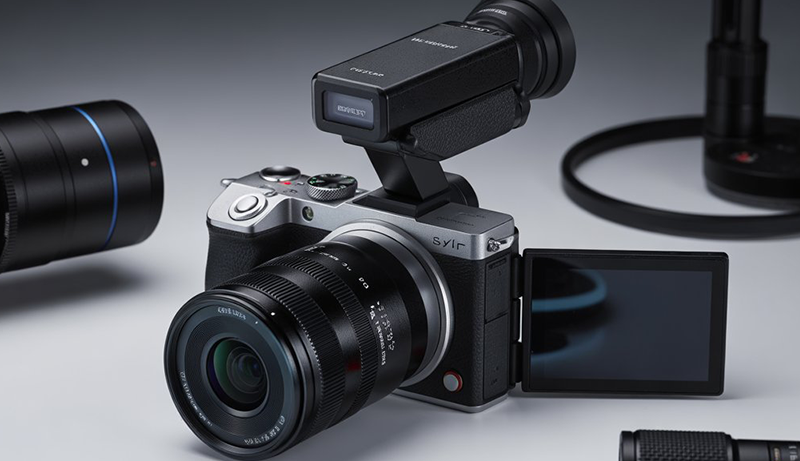
PewDiePie’s vlogging setup goes far beyond just choosing the right camera. His overall gear selection reflects a deep understanding of how lenses, audio equipment, and stabilization tools work together to create engaging content. Each element supports consistency, comfort, and quality, showing that successful vlogging depends on a complete ecosystem rather than a single piece of hardware.
Lenses He Uses
While the camera body often gets the most attention, lens choice plays a much bigger role in shaping the final look of a vlog. PewDiePie has used both prime and zoom lenses at different stages, depending on filming style and environment. Prime lenses, with their fixed focal lengths, offer sharper images and wider apertures, which help create a pleasing background blur and strong subject separation. This is especially useful for desk setups where visual depth adds polish without distraction.
Zoom lenses, on the other hand, provide flexibility. They allow quick reframing without physically moving the camera, which is valuable during casual filming sessions or when space is limited. This versatility supports longer recording sessions with fewer interruptions.
Lens choice often matters more than the camera body because it directly affects framing, depth of field, and low-light performance. A well-chosen lens can dramatically improve image quality even on a mid-range camera. By prioritizing lenses that match his environment and content style, PewDiePie ensures his visuals remain consistent and comfortable to watch without overcomplicating his workflow.
Microphone & Audio Gear
Audio quality is one of the most critical yet overlooked aspects of vlogging, and PewDiePie’s setup reflects that priority. Clear, balanced sound helps viewers stay engaged and reduces fatigue, especially during long talking segments. Even the best visuals lose impact if audio is muffled, echoey, or inconsistent.
He typically relies on external microphones rather than built-in camera mics. External microphones capture cleaner vocals, reduce background noise, and offer better control over sound levels. This is particularly important in indoor environments where room echo and ambient noise can degrade audio quality.
Different microphone types serve different purposes. Desk-mounted microphones are ideal for stationary recordings, delivering broadcast-quality sound with minimal setup. For handheld or moving shots, compact shotgun or on-camera microphones provide directional audio while remaining portable.
The key advantage of external audio gear is consistency. Reliable sound reduces the need for heavy post-processing and minimizes retakes. By investing in solid audio equipment, PewDiePie ensures that his message, humor, and tone come through clearly, reinforcing the personal connection that defines his vlogs.
Tripods & Stabilization
Stabilization tools are essential for maintaining a professional yet relaxed visual style. PewDiePie’s setup includes a mix of tripods and handheld stabilization tools tailored to different filming scenarios. Desk setups often rely on sturdy tripods or small tabletop stands that keep framing consistent during long recordings.
For handheld vlogging, lightweight tripods with built-in grips or flexible legs provide stability without restricting movement. These tools help reduce shake while allowing natural motion, which keeps footage smooth but not overly rigid.
Travel setups require portability and speed. Compact tripods that fold easily into a bag make it possible to film spontaneously without sacrificing stability. This flexibility supports a more dynamic filming style while maintaining visual comfort for viewers.
Stabilization choices directly affect how relaxed footage feels. Too much rigidity can feel artificial, while too little creates distraction. By balancing desk-based stability with handheld freedom, PewDiePie’s setup supports varied content styles while maintaining visual consistency across different environments.
Why PewDiePie Chose This Camera
When exploring why PewDiePie chose this camera, the decision clearly comes down to practicality rather than hype. PewDiePie prioritizes tools that support daily content creation without interrupting his natural on-camera flow. A camera that works reliably in real-world conditions allows him to focus on ideas, reactions, and storytelling instead of technical adjustments.
One major reason behind his choice is ease of use. Fast autofocus, intuitive controls, and dependable performance reduce setup time and minimize filming friction. This makes it possible to record spontaneous moments or long talking segments without constant monitoring, which suits his relaxed and conversational vlogging style.
Image quality also plays an important role, but not in an overproduced way. The camera delivers clean visuals, accurate colors, and good low-light performance while still feeling natural. This balance helps maintain authenticity, ensuring the visuals enhance the content rather than overshadow personality.
Portability is another key factor. A lightweight and compact camera allows flexible filming at home, while traveling, or during casual daily activities. This freedom supports creative consistency, making it easier to vlog whenever inspiration strikes.
Finally, the camera fits seamlessly into a broader setup that includes reliable audio and simple stabilization. By choosing gear that integrates smoothly, PewDiePie maintains a sustainable workflow that supports long-term creativity without unnecessary complexity or distraction.
What Camera Should You Use for Vlogging?
Choosing the right camera for vlogging depends more on your content style than on copying a specific creator’s setup. While many people search for what top YouTubers use, the best vlogging camera is one that fits your environment, workflow, and comfort level. Understanding your goals helps narrow down options without unnecessary spending.
For beginners, ease of use should be the top priority. Cameras with reliable autofocus, flip screens, and good automatic exposure make filming less stressful. Compact cameras and entry-level mirrorless models are often ideal because they balance image quality with simplicity and portability.
Image quality matters, but it doesn’t need to be extreme. Clean 1080p or 4K footage, accurate colors, and decent low-light performance are usually more than enough for engaging vlogs. Viewers are more focused on clarity and consistency than on cinematic effects.
Audio should influence your camera choice as well. Look for models that support external microphones, as built-in mics rarely deliver professional sound. Clear audio improves viewer retention and overall production quality more than visual upgrades alone.
Portability is especially important for daily or travel vlogging. Lightweight cameras encourage more frequent filming and make handheld shooting comfortable. Pairing a small camera with basic stabilization can dramatically improve watchability.
Ultimately, the best vlogging camera is one you’ll actually use consistently. A simple, reliable setup encourages creativity, helps maintain momentum, and allows your personality to take center stage—where great vlogs truly begin.
People Also Asked
Does PewDiePie Still Use The Same Camera?
PewDiePie does not stick to one single camera permanently. Over time, his camera choice has evolved based on content style, convenience, and production needs. While he may use the same model for long periods, he adapts his setup when better tools suit his workflow. You should understand that camera upgrades are often driven by practicality rather than trends, especially for creators producing content consistently.
Does PewDiePie Use A DSLR Or Mirrorless Camera?
PewDiePie primarily uses mirrorless cameras rather than traditional DSLRs. Mirrorless systems offer faster autofocus, better video-focused features, and more compact designs. If you are creating YouTube content, mirrorless cameras are generally a smarter choice because they are lighter, easier to handle, and designed with video creators in mind.
What Camera Does PewDiePie Use For Travel Vlogs?
For travel vlogs, PewDiePie typically prefers compact cameras or lightweight mirrorless options. These cameras are easier to carry, quicker to set up, and less intrusive in public spaces. If you travel often, choosing a portable camera with strong stabilization and autofocus will help you capture natural moments without slowing you down.
Is PewDiePie’s Camera Good For YouTube Beginners?
PewDiePie’s camera choices can be good references for beginners, but they may not always be necessary. While his cameras offer excellent quality, beginners should focus on ease of use and affordability. You can start with a simpler camera that supports external audio and reliable autofocus before investing in higher-end gear.
Does PewDiePie Rely On Built-In Camera Features Or External Gear?
PewDiePie does not rely solely on built-in camera features. He uses external microphones, stabilization tools, and lenses to improve overall quality. You should remember that accessories often have a bigger impact on production value than upgrading your camera body alone.
Should You Copy PewDiePie’s Camera Setup For Your Own Channel?
You should view PewDiePie’s setup as inspiration rather than a strict template. His camera works well for his environment and style, but your needs may be different. The best approach is choosing gear that fits your filming habits, comfort level, and creative goals rather than copying another creator’s setup exactly.
Conclusion
PewDiePie’s vlogging setup shows that successful content is built on balance rather than excess. His camera choices reflect a clear focus on reliability, ease of use, and consistent quality, allowing his personality and storytelling to remain the main attraction. Instead of chasing the newest gear, he uses tools that support long-term creativity and comfort.
Understanding What Camera Does Pewdiepie Use for Vlogging helps highlight an important lesson for creators at any level. The right camera is the one that fits your workflow, filming environment, and content style. Features like strong autofocus, good low-light performance, and portability often matter more than high-end specifications.
By looking at his approach, you can see that great vlogging is not about copying equipment exactly, but about learning how thoughtful gear choices support consistency and authenticity. When your tools work smoothly in the background, you can focus fully on creating engaging content that connects with viewers naturally.