What Camera Do Youtubers Use
Scrolling through YouTube, it’s easy to get drawn in by crisp visuals, smooth focus, and that polished cinematic look. Viewers often assume great content comes from expensive gear, but the reality behind most successful channels is more nuanced and practical than it seems.
Creators choose their equipment based on what fits their content style, budget, and workflow. Vloggers, educators, gamers, and filmmakers all have different needs, which means there isn’t a single perfect setup that works for everyone. This variety is exactly why so many people ask, What Camera Do Youtubers Use, hoping to find a clear answer.
From compact cameras to DSLRs and mirrorless models, YouTubers rely on tools that balance quality, ease of use, and reliability. Many popular creators started with simple gear and upgraded gradually as their channels grew, focusing more on storytelling than specs.
Understanding the cameras YouTubers use isn’t about copying someone else’s setup. It’s about learning what works in real-world content creation and finding inspiration to choose gear that supports your own creative goals.
What Camera Do YouTubers Use? (Beginner to Pro Guide)
hen people ask What Camera Do Youtubers Use, they are usually trying to understand how creators achieve sharp video quality and a professional look. The truth is that YouTubers use a wide range of cameras, and the choice often depends more on content type than on popularity or subscriber count. A daily vlogger’s needs are very different from those of a tech reviewer or an educational creator.
Many beginner YouTubers start with smartphones or basic point-and-shoot cameras. Modern phones offer impressive video quality, strong stabilization, and ease of use, making them a practical entry point. As channels grow, creators often move toward dedicated cameras that give them more control over focus, exposure, and depth of field.
Mirrorless cameras are among the most common choices for established YouTubers. They offer excellent video quality, interchangeable lenses, and reliable autofocus while remaining relatively compact. These features make them ideal for sit-down videos, tutorials, and cinematic-style content without feeling overly complex to operate.
DSLR cameras are also used, especially by creators who come from a photography background. While they can deliver high-quality footage, some YouTubers eventually switch due to limitations like recording time caps or bulkier designs. Still, DSLRs remain a solid option for controlled indoor filming.
Action cameras play a big role for travel, fitness, and adventure channels. Their durability, wide-angle lenses, and stabilization make them perfect for movement-heavy content where larger cameras would be impractical.
Ultimately, the answer to What Camera Do Youtubers Use isn’t about copying a specific setup. Successful creators focus on choosing a camera that fits their workflow, content style, and comfort level, then pair it with good lighting, audio, and consistent storytelling.
Do You Really Need a Camera to Start YouTube?
Starting a YouTube channel often feels overwhelming, especially when beginners think they need expensive equipment from day one. One of the most common questions new creators ask is whether a dedicated camera is truly necessary before uploading their first video. The short answer is no, and understanding why can remove a major barrier to getting started.
Many successful YouTubers began with nothing more than a smartphone or a basic webcam. Modern phones can record high-quality video, handle autofocus well, and perform impressively in good lighting. For beginners, this is often more than enough to create clear, watchable content that connects with viewers.
Content quality matters far more than camera quality in the early stages. Audiences are drawn to personality, value, and authenticity rather than perfect visuals. A helpful tutorial, engaging story, or entertaining idea can outperform a technically flawless video that lacks substance. Starting without pressure allows creators to focus on confidence and consistency.
As a channel grows, investing in a camera can make sense. A dedicated camera offers better control over depth of field, low-light performance, and overall visual style. However, these benefits are most valuable once a creator understands their niche and content direction.
Ultimately, you don’t need a camera to start YouTube—you need a clear idea and the willingness to begin. Using the tools you already have makes it easier to learn, experiment, and improve. Upgrading equipment should be a step forward, not a requirement that delays taking action.
Cameras Most YouTubers Use
When exploring the cameras most YouTubers use, it quickly becomes clear that there is no single standard setup. Creators choose cameras based on portability, video quality, autofocus performance, and how well the camera fits their content style. From daily vlogging to cinematic studio videos, different categories of cameras dominate different niches across YouTube.
Vlogging Cameras
Vlogging cameras are designed for creators who film themselves regularly while moving, traveling, or recording daily life. These cameras are typically compact, lightweight, and easy to handle, making them ideal for handheld shooting. One of the most important features vloggers look for is a flip-out or fully articulating screen, which allows them to see themselves while recording and maintain proper framing.
Stabilization is another critical feature in vlogging cameras. Since vloggers often walk or film without a tripod, built-in image stabilization helps keep footage smooth and watchable. Good autofocus performance is equally important, especially face and eye tracking, so the camera stays focused even when the creator moves closer or farther from the lens.
Vlogging cameras also need reliable audio options. Many creators use external microphones, so a microphone input is essential. Strong battery life and fast startup times matter as well, particularly for spontaneous filming moments throughout the day.
Popular brands in this category include Sony and Canon, both of which offer compact cameras tailored for content creators. These models balance ease of use with high-quality video, making them a common choice for YouTubers who prioritize mobility and speed without sacrificing professional-looking results.
Mirrorless Cameras (Most Popular Choice)
Mirrorless cameras have become the most popular choice among YouTubers across nearly every niche. Their dominance comes from a combination of excellent video quality, advanced autofocus systems, and the flexibility of interchangeable lenses. Unlike bulkier camera systems, mirrorless cameras offer professional-level performance in relatively compact bodies.
One of the biggest advantages mirrorless cameras bring to YouTube creators is autofocus technology. Face detection and eye tracking are especially valuable for sit-down videos, where creators need the camera to stay locked on their face without manual adjustments. This reliability allows YouTubers to focus on delivering content rather than constantly checking focus.
Video quality is another reason mirrorless cameras are widely used. Many models support high-resolution recording, strong dynamic range, and detailed color profiles, making footage look clean and cinematic. These features are especially beneficial for creators producing tutorials, interviews, podcasts, or cinematic B-roll.
Lens options further strengthen the appeal of mirrorless systems. YouTubers can choose wide-angle lenses for vlogging, fast prime lenses for blurred backgrounds, or zoom lenses for versatility. This adaptability makes mirrorless cameras suitable for creators who want to evolve their visual style over time.
Because of their balance between ease of use and creative control, mirrorless cameras are ideal for sit-down videos, studio setups, and cinematic content. They allow creators to grow without quickly outgrowing their equipment.
DSLR Cameras
DSLR cameras played a major role in the early rise of YouTube and are still used by many creators today. While they are no longer the most popular choice, they remain capable tools for producing high-quality video, especially for creators who already own DSLR gear or come from a photography background.
One advantage of DSLRs is their strong image sensors, which deliver sharp footage and pleasing depth of field. They also support interchangeable lenses, allowing creators to customize their setup based on shooting style. For controlled indoor environments, such as home studios or office setups, DSLRs can still perform very well.
However, DSLRs do have limitations compared to mirrorless cameras. Autofocus during video recording is often slower or less reliable, which can be frustrating for creators who move frequently on camera. Many DSLR models also have recording time limits and lack advanced video-focused features found in newer systems.
Despite these drawbacks, DSLRs can still be a practical option for certain creators. YouTubers who mainly film static talking-head videos, product reviews, or educational content may not need advanced autofocus or compact designs. For photographers transitioning into video, using an existing DSLR setup can be a cost-effective way to start.
While mirrorless cameras have largely taken over, DSLRs remain relevant for creators who value familiarity, lens compatibility, and solid image quality in controlled shooting conditions.
Action Cameras
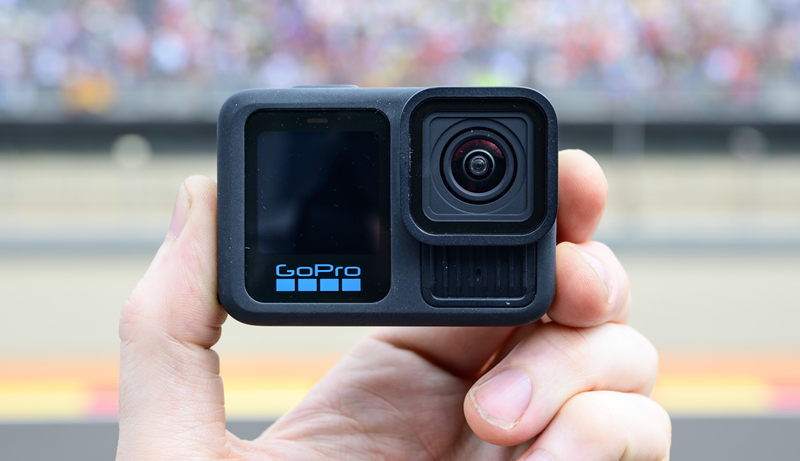
Action cameras are essential tools for YouTubers who focus on travel, sports, fitness, and point-of-view content. These cameras are built to be rugged, lightweight, and highly portable, making them ideal for filming in environments where traditional cameras would be impractical or risky.
One of the biggest strengths of action cameras is stabilization. Advanced electronic stabilization allows creators to capture smooth footage while running, biking, or engaging in extreme activities. Wide-angle lenses help capture immersive perspectives, which is especially effective for travel vlogs and adventure storytelling.
Durability is another key advantage. Action cameras are often waterproof, shock-resistant, and designed to withstand harsh conditions. This makes them suitable for underwater filming, outdoor sports, and unpredictable environments where larger cameras would be damaged or difficult to manage.
Despite their strengths, action cameras do have limitations. Image quality and low-light performance are generally lower than mirrorless or DSLR cameras. Depth of field is usually very wide, which limits creative background blur. Audio quality may also require external solutions for professional results.
Action cameras work best as complementary tools rather than all-purpose solutions. Many YouTubers pair them with other cameras to capture unique angles, behind-the-scenes footage, or dynamic shots that add energy and variety to their videos.
Smartphone Cameras
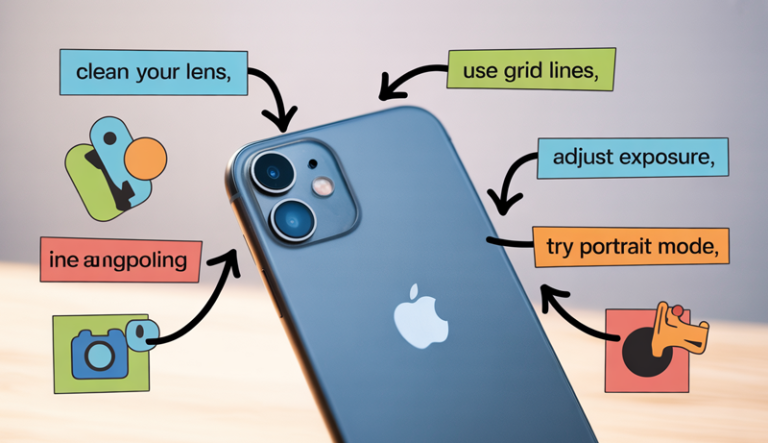
Smartphone cameras have become a surprisingly powerful option for YouTube content creation. Many big YouTubers still use phones regularly, especially for vlogs, short-form content, and behind-the-scenes videos. Advances in mobile camera technology have made smartphones capable of producing impressive video quality.
One major reason creators use smartphones is convenience. Phones are always available, quick to set up, and easy to use. This makes them ideal for capturing spontaneous moments, daily vlogs, or social media content without the need for extra gear. Built-in stabilization and automatic settings help simplify the filming process.
Smartphones are especially popular for YouTube Shorts and vertical content. Their native orientation and seamless integration with editing apps make publishing fast and efficient. For beginners, smartphones remove the pressure of learning complex camera settings and allow creators to focus on storytelling.
Even experienced creators rely on phones for specific use cases. Many use them for casual updates, travel clips, or secondary angles alongside professional cameras. High-end models from brands like Apple offer strong video performance, making them viable tools even for large channels.
Smartphone cameras prove that high-quality YouTube content doesn’t always require dedicated equipment. Their flexibility and accessibility make them a lasting part of many creators’ workflows.
Key Features YouTubers Look for in a Camera
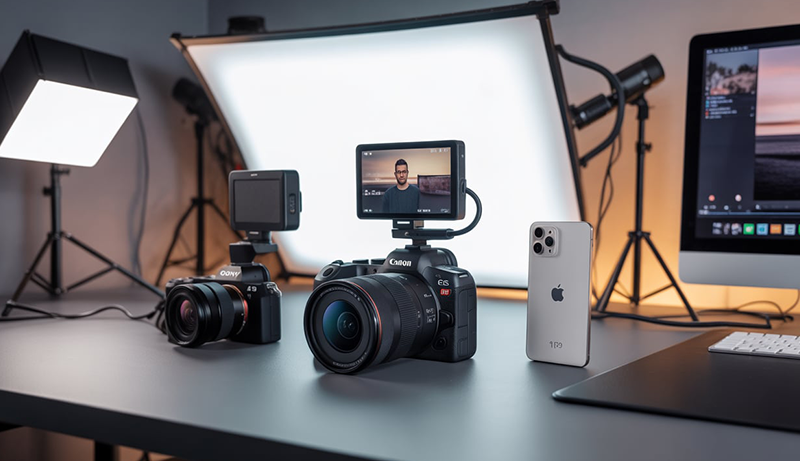
When choosing a camera for YouTube, creators focus less on brand names and more on practical features that improve workflow and video quality. The right features make filming easier, reduce technical issues, and help creators stay focused on content. From autofocus reliability to battery performance, these elements play a major role in how smoothly a YouTuber can record and publish videos.
Autofocus (Eye & Face Tracking)
Autofocus is one of the most important features YouTubers look for in a camera, especially for solo creators. Eye and face tracking ensure that the subject stays sharp even when moving slightly during recording. This is crucial for sit-down videos, tutorials, and vlogs where manual focus adjustments would interrupt the flow of filming.
Reliable autofocus allows creators to maintain a natural presence on camera. When the camera consistently tracks facial features, YouTubers can move freely, gesture, or lean forward without worrying about losing focus. This is especially valuable for creators who record alone without a camera operator monitoring focus.
Advanced autofocus systems also improve efficiency. Creators spend less time reshooting footage or fixing focus issues in post-production. This leads to a smoother workflow and more consistent uploads, which is essential for channel growth.
For dynamic content like product demonstrations or educational videos, eye and face tracking help maintain professional visual quality. Viewers are more likely to stay engaged when the image remains crisp and clear throughout the video.
Flip / Articulating Screen
A flip or fully articulating screen is a must-have feature for many YouTubers, particularly vloggers and solo creators. This screen design allows the camera display to face forward, enabling creators to see themselves while recording. Proper framing, focus confirmation, and visual checks become much easier with this feature.
For vloggers, an articulating screen is essential when filming handheld or on the go. It helps ensure the subject remains centered and well-lit, even in changing environments. Without this feature, creators often rely on guesswork, which can result in poorly framed footage.
In studio setups, flip screens still play a key role. They allow creators to quickly check posture, expressions, and background alignment without stopping the recording. This is especially useful for long-form content like podcasts, tutorials, or educational videos.
Articulating screens also reduce the need for external monitors, keeping setups simpler and more portable. This convenience is a major reason why cameras with flip screens are widely preferred for YouTube content creation.
4K Video
4K video recording has become a highly sought-after feature for YouTubers, even if their content is ultimately uploaded in 1080p. Shooting in 4K provides more detail, sharper visuals, and greater flexibility during editing. Creators can crop, zoom, or reframe shots without losing noticeable quality.
Many YouTubers use 4K to future-proof their content. As viewing devices continue to improve, higher-resolution videos remain relevant for longer periods. This is especially important for evergreen content such as tutorials, interviews, or educational videos.
Recording in 4K also improves downscaled 1080p output. When properly processed, 4K footage converted to 1080p often looks cleaner and more detailed than native 1080p recordings. This enhances the overall viewing experience without increasing upload complexity.
While 4K requires more storage and processing power, many creators find the benefits outweigh the drawbacks. The added flexibility and visual clarity make it a valuable feature for YouTubers who want more control over their final output.
Low-Light Performance
Low-light performance is a critical feature for YouTubers who film indoors or in less controlled lighting environments. A camera that handles low light well produces cleaner footage with less noise, even without expensive lighting setups. This is especially useful for beginners or creators with limited space.
Good low-light performance allows creators to film at different times of day without worrying about harsh shadows or grainy footage. This flexibility helps maintain consistency in content production, particularly for daily uploads or spontaneous filming sessions.
For vloggers and travel creators, low-light capability is essential when filming at night or in dim locations. Restaurants, streets, or indoor venues often present challenging lighting conditions that require a capable camera sensor.
Improved low-light performance also contributes to better color accuracy and dynamic range. Videos look more natural and professional, which helps build viewer trust and engagement over time.
External Microphone Input
Audio quality is just as important as video quality on YouTube, and an external microphone input is a key feature many creators prioritize. Built-in camera microphones often struggle with clarity, background noise, and echo, especially in untreated rooms.
An external microphone input allows YouTubers to use lavalier, shotgun, or condenser microphones for clearer and more consistent sound. This is especially important for talking-head videos, interviews, and educational content where clear communication matters.
Better audio improves viewer retention. Audiences are more likely to stop watching a video with poor sound quality, even if the visuals are excellent. An external mic setup helps maintain professional standards without relying heavily on post-processing.
This feature also gives creators flexibility as their channel grows. They can upgrade microphones independently without changing cameras, making it a smart long-term investment for content creation.
Battery Life & Overheating
Battery life and overheating management are often overlooked but critically important features for YouTubers. Long recording sessions, especially in 4K, can drain batteries quickly. A camera with strong battery performance reduces interruptions during filming.
Overheating can be a major issue for creators who record extended videos, livestreams, or podcasts. Cameras that overheat force creators to stop recording unexpectedly, disrupting workflow and wasting time. Reliable thermal management ensures consistent performance.
Good battery life is especially valuable for vloggers and travel YouTubers who film away from power sources. Fewer battery swaps mean more flexibility and less gear to carry.
Together, battery efficiency and overheating control contribute to reliability. A camera that can record for long periods without shutting down helps YouTubers stay focused on content creation rather than technical limitations.
Camera Accessories YouTubers Also Use
While cameras get most of the attention, accessories play a huge role in the overall quality of YouTube videos. Many creators quickly realize that good accessories can dramatically improve production value, even when using a basic camera. From clear audio to stable shots and proper lighting, these tools help YouTubers create content that looks and sounds professional.
Microphones (More Important Than the Camera)
For YouTubers, microphones are often more important than the camera itself. Viewers are far more likely to tolerate average visuals than poor audio quality. Clear sound helps audiences stay engaged and understand the message without distractions caused by background noise or echo.
Built-in camera microphones are usually limited and pick up unwanted sounds. External microphones allow creators to capture cleaner, more focused audio. Lavalier microphones are popular for talking-head videos, while shotgun microphones work well for vlogging and directional sound capture.
Good microphones also reduce the need for heavy audio editing. Clean recordings save time in post-production and lead to more consistent results. This is especially valuable for creators who upload frequently and want to maintain a steady workflow.
Microphones also give creators flexibility as their content evolves. As YouTubers experiment with interviews, podcasts, or voiceovers, having reliable audio equipment ensures consistent sound quality across different formats.
Tripods & Mounts
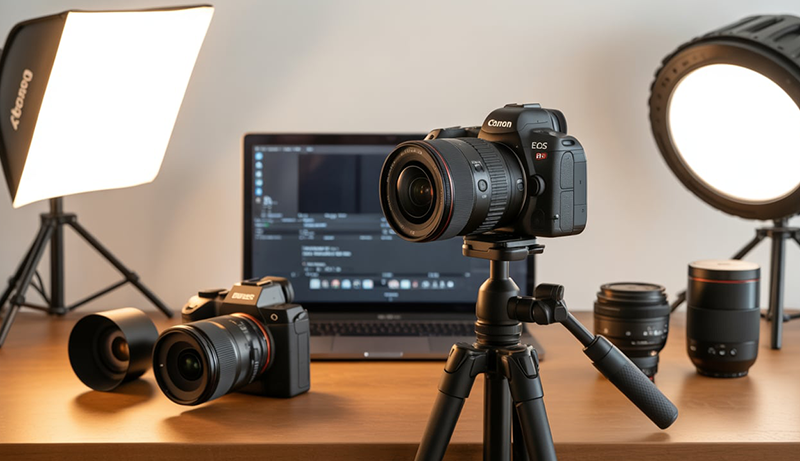
Tripods and mounts are essential accessories for maintaining stable, professional-looking footage. Shaky video can distract viewers and reduce the perceived quality of a channel. A solid tripod ensures the camera remains steady during recording, especially for sit-down videos and tutorials.
Different tripod styles suit different needs. Desk tripods work well for small setups, while full-size tripods offer adjustable height and better stability. For vloggers, lightweight tripods or handheld grips provide flexibility when filming on the move.
Mounts also expand creative options. Camera mounts, phone holders, and clamp mounts allow creators to position their equipment in unique angles. This is useful for overhead shots, product demonstrations, or multi-camera setups.
Using tripods and mounts also improves consistency. Keeping the camera at the same angle and height across videos helps maintain a recognizable visual style, which contributes to brand identity and viewer familiarity.
Lighting (Softboxes, Ring Lights)
Lighting is one of the most impactful accessories for improving video quality. Even the best camera can produce poor results without proper lighting. Softboxes and ring lights are popular choices because they create even, flattering illumination.
Softboxes provide diffused light that reduces harsh shadows and creates a natural look. They are ideal for studio setups, interviews, and educational content. Ring lights, on the other hand, are compact and easy to use, making them popular for beginners and small spaces.
Good lighting improves color accuracy and overall clarity. It helps separate the subject from the background and gives videos a polished appearance. Consistent lighting also makes it easier to maintain a uniform look across multiple uploads.
For many YouTubers, investing in lighting produces a bigger improvement than upgrading a camera. Proper lighting enhances image quality, reduces noise, and allows creators to film confidently in various environments.
Lenses and Filters
Lenses and filters give YouTubers greater creative control over their visuals. Interchangeable lenses allow creators to change perspective, depth of field, and overall style without changing cameras. Wide-angle lenses are popular for vlogging, while prime lenses create blurred backgrounds for cinematic shots.
Using the right lens helps match the camera setup to the content type. Tutorials, interviews, and product reviews often benefit from sharp, fast lenses that perform well in indoor lighting. Zoom lenses offer versatility for creators who film different styles of content.
Filters also play an important role. Neutral density filters help control exposure in bright environments, allowing creators to maintain proper motion blur. Other filters can reduce reflections or enhance colors.
Together, lenses and filters help YouTubers elevate their content visually. They offer flexibility, creative freedom, and the ability to adapt to different shooting conditions without complex adjustments.
What Camera Should You Use?
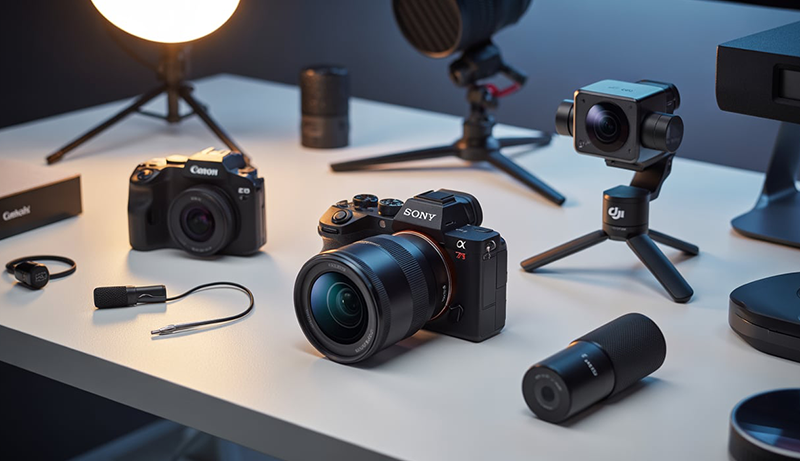
Choosing the right camera depends on how you plan to create content, not on what’s trending or what large creators are using. The best camera for YouTube is the one that fits your workflow, skill level, and goals. Understanding a few key factors can make the decision clearer and prevent unnecessary spending.
Content type plays a major role in camera choice. Vloggers benefit from lightweight cameras with strong stabilization and flip screens, while talking-head creators often prioritize autofocus and image clarity. Cinematic content creators look for interchangeable lenses and high dynamic range, whereas gaming creators may only need a basic camera or webcam for face-cam footage.
Experience level is equally important. Beginners are usually better off with simple, easy-to-use cameras or even smartphones. These options reduce the learning curve and allow creators to focus on building confidence and consistency. More experienced YouTubers may prefer cameras that offer manual controls and advanced features.
Budget also shapes what camera makes sense. Entry-level cameras can produce excellent results when paired with good lighting and audio. Spending more doesn’t always mean better content, especially early on. Many successful creators grow their channels using modest equipment before upgrading.
The key is choosing a camera that supports your current needs while allowing room to grow. A balanced setup helps you stay motivated and consistent.
Ultimately, the right camera is the one that encourages you to start creating, keep filming, and improve over time without slowing you down.
Common Camera Myths for YouTube
Many new creators delay starting YouTube because of common camera myths that make content creation feel more complicated and expensive than it really is. These misconceptions often focus on gear rather than creativity, causing beginners to believe success depends on having the “right” camera instead of the right ideas.
One of the biggest myths is that you need an expensive camera to succeed on YouTube. In reality, audiences care far more about value, clarity, and authenticity than price tags. Plenty of successful channels grew using basic cameras or smartphones, proving that storytelling and consistency matter more than premium equipment.
Another common belief is that 4K video is required for YouTube success. While 4K can improve flexibility and visual sharpness, most viewers still watch videos on mobile devices where 1080p looks perfectly fine. Many popular creators continue to upload in Full HD with excellent results.
The idea that a bigger camera automatically means better content is also misleading. Large cameras can feel intimidating, require more setup, and slow down the filming process. Smaller, easier-to-use cameras often help creators stay consistent and comfortable on camera.
These myths shift focus away from what truly matters: engaging content, good audio, and clear visuals. Gear should support creativity, not block it.
Understanding these misconceptions helps creators make smarter choices, start sooner, and grow their channels based on skill and connection rather than equipment alone.
Frequently Asked Questions (FAQs)
What Camera Do Most YouTubers Use?
Most YouTubers use mirrorless cameras because they offer a strong balance of video quality, reliable autofocus, and flexibility with lenses. These cameras are popular for sit-down videos, tutorials, and cinematic content. However, many creators also use compact vlogging cameras, action cameras, or even smartphones depending on their content style. You should understand that most successful YouTubers choose cameras that fit their workflow rather than chasing the most expensive option.
Is DSLR Or Mirrorless Better For YouTube?
For YouTube, mirrorless cameras are generally better than DSLRs. You get faster and more accurate autofocus, better video-focused features, and lighter camera bodies. DSLRs can still work well for static videos, but mirrorless cameras are easier to use for solo creators. If you want smoother recording and fewer technical limitations, you will likely prefer mirrorless over DSLR.
Can You Use Your Phone For YouTube Videos?
Yes, you can absolutely use your phone for YouTube videos. Many creators, including large channels, still rely on smartphones for vlogs, Shorts, and casual content. Modern phones deliver excellent video quality, stabilization, and convenience. If you focus on good lighting and clear audio, your phone can produce professional-looking videos without extra gear.
What Camera Do Beginner YouTubers Use?
Beginner YouTubers often use smartphones, webcams, or entry-level cameras. These options are easy to learn and remove the pressure of complex settings. As a beginner, you benefit more from practicing content creation than investing heavily in gear. Starting simple allows you to stay consistent and upgrade only when your needs grow.
Do Cameras Matter For YouTube Success?
Cameras matter, but they are not the deciding factor for YouTube success. Viewers care more about content value, clear audio, and authenticity. A high-end camera cannot replace good ideas or engaging delivery. You should focus on storytelling, consistency, and audience connection before worrying about expensive equipment.
Should You Upgrade Your Camera Early On?
You should only upgrade your camera when your current setup limits your content. Early upgrades are often unnecessary and can slow your progress. When you clearly understand your content style and goals, upgrading makes more sense. Until then, using what you have helps you grow faster and smarter.
Conclusion
Choosing the right equipment can feel overwhelming when starting or growing a YouTube channel, but clarity comes with understanding your real needs. Successful creators don’t rely on one specific setup; they use tools that support their content style, workflow, and comfort level. This flexibility is what keeps content creation sustainable and enjoyable over time.
When people ask What Camera Do Youtubers Use, they are often searching for a shortcut to success. In reality, YouTubers use everything from smartphones and action cameras to mirrorless and DSLR systems. The common factor is not the camera itself, but how effectively it’s used alongside good lighting, clear audio, and consistent storytelling.
Your focus should be on starting with what you have, learning your craft, and upgrading only when it truly benefits your content. The right camera is the one that helps you create confidently, stay consistent, and connect with your audience without unnecessary obstacles.