What Is a Mirrorless Camera?
Photography has changed rapidly over the last decade, and modern cameras now offer powerful technology in smaller, more flexible designs. Many creators, from hobbyists to professionals, are moving away from bulky gear and exploring newer options that balance performance with portability.
Digital cameras today focus heavily on speed, image quality, and convenience. Advances in sensors, autofocus systems, and electronic displays have reshaped how photographers capture moments. These improvements allow users to see real-time exposure, focus, and color before pressing the shutter.
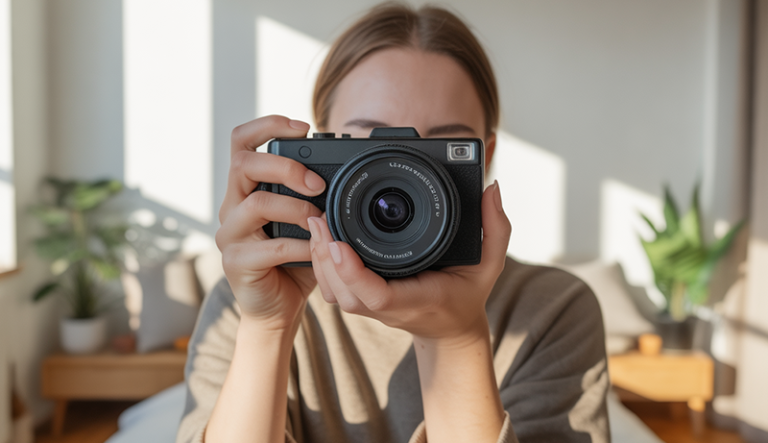
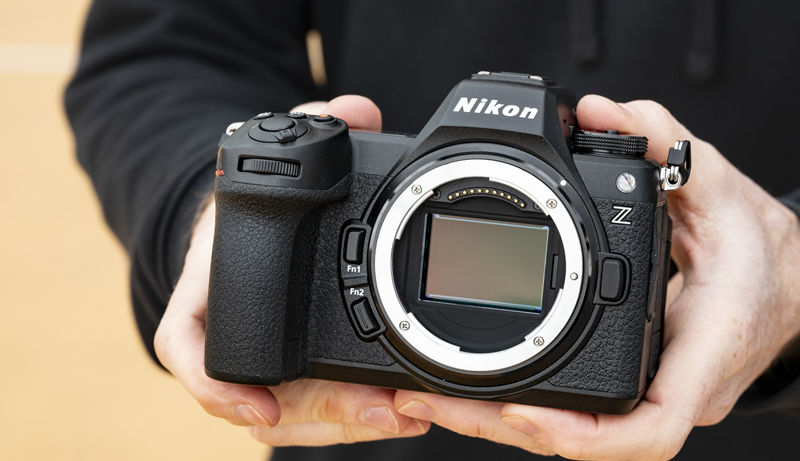
This shift has led many people to ask what is a mirrorless camera and why it has become so popular in recent years. Unlike older designs, this type of camera removes internal mechanical parts, allowing for a lighter body while still delivering professional-level results.
Understanding what is a mirrorless camera helps photographers make smarter choices when upgrading equipment. It explains why these cameras excel in travel, street photography, video creation, and everyday shooting.
As more brands refine this technology, mirrorless systems continue to set new standards for modern photography, shaping how images and videos are created today.
How Does a Mirrorless Camera Work?
A mirrorless camera works by capturing light directly through the lens and sending it straight to the image sensor. Unlike traditional DSLR cameras, there is no mirror mechanism that reflects light into an optical viewfinder. This direct light path allows the camera to process visual information faster and more efficiently.
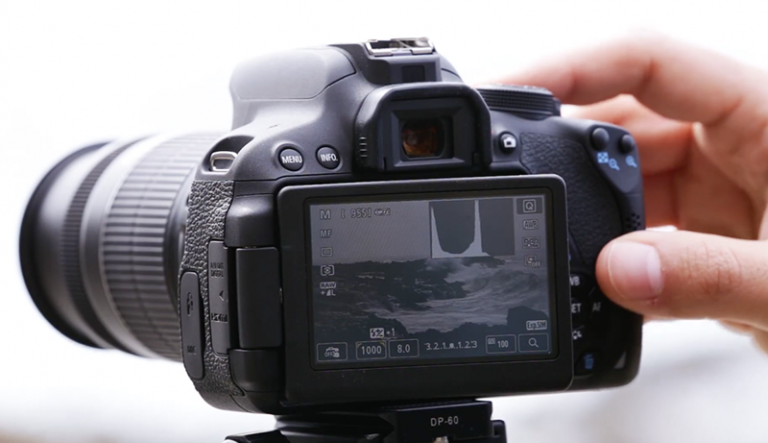
When light hits the image sensor, the sensor converts it into digital data. This data is instantly processed and displayed either on the rear LCD screen or through an electronic viewfinder. Because the preview comes directly from the sensor, photographers can see real-time changes in exposure, white balance, and depth of field before taking the shot.
Autofocus in a mirrorless camera is handled directly on the sensor itself. Most mirrorless systems use phase-detection, contrast-detection, or a hybrid of both. This allows for faster, more accurate focusing, especially when tracking moving subjects or recording video.
Since there is no mirror flipping up and down, mirrorless cameras can shoot continuously at higher frame rates with less mechanical noise. This makes them ideal for wildlife, sports, street photography, and quiet environments where silence is important.
Video performance is another major advantage. Because the sensor is always active, mirrorless cameras offer smoother autofocus, better exposure control, and advanced video features. This design has made them a popular choice for content creators who need both high-quality photos and video in one compact system.
Mirrorless Camera vs DSLR: What’s the Difference?
The main difference between a mirrorless camera and a DSLR lies in how they capture and display images. A DSLR uses a mirror system to reflect light from the lens into an optical viewfinder. When the shutter is pressed, the mirror flips up, allowing light to hit the sensor. In contrast, a mirrorless camera removes this mirror entirely, sending light straight to the image sensor at all times.
Size and weight are key distinctions. Mirrorless cameras are generally smaller and lighter because they lack the internal mirror mechanism. This makes them easier to carry for travel, street photography, and long shooting sessions. DSLRs tend to be bulkier but often feel more balanced when using large lenses.
Viewfinders also differ significantly. DSLRs rely on optical viewfinders, which show a direct, real-world view through the lens. Mirrorless cameras use electronic viewfinders or LCD screens that display a digital preview of the image, including exposure, color, and focus adjustments in real time.
Autofocus performance has shifted in favor of mirrorless systems. Because focusing happens directly on the sensor, mirrorless cameras often provide faster and more accurate autofocus, especially for video and subject tracking. DSLRs still perform well for photography but may lag behind in live view and video autofocus.
Battery life is one area where DSLRs traditionally have an advantage, as optical viewfinders consume less power. However, mirrorless technology continues to improve, narrowing this gap. Ultimately, the choice depends on shooting style, portability needs, and whether photography, video, or a mix of both is the priority.
| Feature | Mirrorless Camera | DSLR Camera |
|---|---|---|
| Internal Design | No mirror mechanism; light goes directly to the sensor | Uses a mirror to reflect light into an optical viewfinder |
| Size & Weight | Smaller and lighter body | Larger and heavier due to mirror system |
| Viewfinder | Electronic viewfinder or LCD screen | Optical viewfinder |
| Autofocus System | Sensor-based autofocus (phase, contrast, or hybrid) | Dedicated autofocus module |
| Shooting Speed | Faster continuous shooting with less noise | Slower burst due to mirror movement |
| Video Performance | Excellent video autofocus and features | Limited video autofocus performance |
| Battery Life | Shorter battery life | Longer battery life |
| Lens Availability | Growing lens ecosystem | Wide range of lenses available |
| Maintenance | Fewer mechanical parts, less wear | More moving parts, higher maintenance |
| Best For | Travel, video, street, modern photography | Sports, wildlife, traditional photography |
Advantages of Mirrorless Cameras
Mirrorless cameras have rapidly gained popularity as modern photography and videography continue to evolve. Their advanced technology, compact design, and intelligent features appeal to beginners and professionals alike. By removing traditional mechanical components, mirrorless systems deliver improved speed, accuracy, and versatility. Understanding these advantages helps photographers see why mirrorless cameras are shaping the future of digital imaging across many creative fields.
Compact and Lightweight Design
One of the most noticeable advantages of mirrorless cameras is their compact and lightweight construction. By eliminating the mirror and optical viewfinder found in traditional cameras, manufacturers can design slimmer bodies that are easier to carry. This reduced size makes mirrorless cameras ideal for travel, street photography, and long shooting sessions where comfort matters.
A lighter camera body reduces physical strain, especially during extended use or when paired with smaller lenses. Photographers can move more freely, react faster to changing scenes, and shoot handheld with greater ease. This portability encourages creativity by making it simpler to carry a camera daily rather than leaving it behind due to bulk or weight.
The smaller form factor also benefits discreet photography. Mirrorless cameras attract less attention, which is valuable for candid shots, documentary work, and street photography. Their design blends convenience with performance, allowing photographers to capture high-quality images without sacrificing mobility.
Additionally, compact bodies make mirrorless systems more travel-friendly. They fit easily into backpacks, shoulder bags, or even larger jackets, making them a practical choice for photographers who prioritize flexibility without compromising image quality.
Faster and More Accurate Autofocus
Mirrorless cameras excel in autofocus performance due to their sensor-based focusing systems. Unlike traditional designs that rely on separate autofocus modules, mirrorless cameras focus directly on the image sensor. This allows for faster, more precise focus, particularly when tracking moving subjects or shooting in challenging lighting conditions.
Modern mirrorless systems often feature advanced phase-detection and contrast-detection technologies working together. This hybrid approach improves subject recognition, eye detection, and real-time tracking, making it easier to maintain sharp focus on people, animals, and fast-moving objects. These features are especially useful in sports, wildlife, and portrait photography.
Another advantage is consistent autofocus performance across both still photography and video recording. Since the sensor remains active at all times, mirrorless cameras maintain smooth and accurate focusing during video capture. This consistency removes the need to switch focusing methods, streamlining the shooting experience.
Autofocus coverage is also wider, extending across most of the frame. This flexibility allows photographers to place subjects anywhere in the composition without needing to reframe, resulting in more dynamic and creative images with less effort.
Real-Time Exposure and Image Preview
Mirrorless cameras provide a real-time preview of the final image through electronic viewfinders or LCD screens. This feature allows photographers to see exposure, white balance, depth of field, and color adjustments before pressing the shutter. As a result, there is greater control and fewer surprises when reviewing images later.
Seeing changes instantly helps photographers make informed decisions while shooting. Adjusting settings such as ISO, shutter speed, or aperture immediately reflects in the viewfinder, reducing guesswork and saving time during post-processing. This is especially valuable in fast-changing lighting environments.
Real-time previews also benefit beginners who are still learning how camera settings affect images. The visual feedback helps build understanding and confidence, making the learning process more intuitive. Experienced photographers also benefit by fine-tuning creative choices on the spot.
In addition, features like focus peaking, zebra patterns, and live histograms enhance accuracy. These tools provide visual guides that help achieve precise focus and balanced exposure, making mirrorless cameras powerful tools for both technical and artistic photography.
Superior Video Capabilities
Mirrorless cameras are widely recognized for their strong video performance. Because the sensor is always active, they deliver smoother autofocus transitions, accurate exposure control, and advanced video features that meet modern content creation demands. This design makes them popular among filmmakers, vloggers, and hybrid shooters.
Continuous autofocus during video ensures subjects remain sharp, even while moving. Face and eye tracking enhance reliability when recording people, reducing the need for manual focus adjustments. This results in professional-looking footage with minimal setup.
Many mirrorless cameras support high-resolution video, slow-motion recording, and advanced color profiles. These features provide greater flexibility in editing and storytelling, allowing creators to achieve cinematic results without additional equipment.
The compact size also benefits video creators who use gimbals, handheld rigs, or travel setups. Mirrorless cameras balance easily and reduce fatigue during long recording sessions, making them efficient tools for producing high-quality video in a wide range of shooting environments.
Disadvantages of Mirrorless Cameras
Mirrorless cameras, despite their many strengths, also come with certain drawbacks that photographers should consider before making a purchase. One of the most common disadvantages is battery life. Because mirrorless cameras rely heavily on electronic viewfinders and LCD screens, they consume more power during use. This often results in shorter shooting times compared to traditional camera systems, requiring users to carry extra batteries.
Another limitation is lens availability, especially for newer mirrorless mounts. While the lens ecosystem continues to grow, some specialized or budget-friendly options may still be limited compared to older systems. Adapting lenses from other mounts is possible, but this can add cost and may affect autofocus performance in certain situations.
Electronic viewfinders, although advanced, can also be a downside for some users. In very low light or fast-action scenes, there may be slight lag or noise in the display. Photographers accustomed to optical viewfinders may find this adjustment challenging, particularly when tracking fast-moving subjects.
Mirrorless cameras can also be more expensive at the higher end. Newer technology, advanced sensors, and cutting-edge features often come at a premium price. This can be a barrier for beginners or photographers on a tight budget who are looking for affordable options.
Lastly, overheating can be an issue during extended video recording. Compact bodies have less space for heat dissipation, which may limit recording times. While manufacturers continue to improve thermal management, this remains a consideration for users who frequently shoot long video sessions.
Who Should Use a Mirrorless Camera?
Mirrorless cameras are well suited for photographers and creators who value portability without sacrificing image quality. Travelers and street photographers benefit greatly from the compact size and lightweight design, which makes it easier to carry a camera for long periods. This convenience allows users to capture spontaneous moments without feeling weighed down by bulky equipment.
Content creators and vloggers are another group that can take full advantage of mirrorless systems. Advanced video features, reliable autofocus, and high-quality image sensors make mirrorless cameras ideal for producing professional-looking videos. The ability to see real-time exposure and focus ensures consistent results during recording, even when working alone.
Beginners who are learning photography can also benefit from using a mirrorless camera. Real-time previews and on-screen guides help new users understand how camera settings affect images. This visual feedback shortens the learning curve and builds confidence, making mirrorless cameras approachable for those just starting out.
Professional photographers who shoot portraits, events, or weddings often prefer mirrorless cameras for their speed and accuracy. Fast autofocus, silent shooting modes, and strong low-light performance help capture important moments without distraction. These features support both creativity and efficiency in demanding environments.
Hybrid shooters who need both high-quality photos and video will find mirrorless cameras especially suitable. Their versatility allows seamless switching between stills and video, making them a practical choice for modern creators who work across multiple formats and platforms.
Are Mirrorless Cameras Worth It?
Deciding whether mirrorless cameras are worth it depends on how you plan to use your gear and what you value most in your photography or video work. For many people, the advantages—like compact size, fast performance, and advanced features—make mirrorless systems highly appealing. However, worth varies based on individual needs, budget, and shooting style.
For photographers who prioritize portability, mirrorless cameras often deliver excellent value. Their lightweight bodies reduce fatigue during long shoots or travel, and they fit easily into smaller bags. This convenience alone can make them worth the investment for anyone who wants quality without bulk.
Video creators especially find mirrorless cameras worth the cost because of strong focusing systems, better live previews, and robust video specs. Whether you’re vlogging, shooting short films, or producing social media content, the combination of photo and video capabilities in one body makes mirrorless a practical and efficient choice.
That said, some photographers who shoot primarily still images or work with specialized lenses might feel differently. If you already own a large collection of DSLR lenses, switching to mirrorless could require additional investment in adapters or new glass. In these cases, the worth depends on how much you value the new features versus the cost of upgrading.
Beginners and hobbyists often find mirrorless cameras worth it for learning and growth. The intuitive interfaces, real-time previews, and smart autofocus help users improve quickly and enjoyably. These features shrink the learning curve and encourage more experimentation.
Ultimately, mirrorless cameras are worth it for many photographers and creators—but assessing your goals, workflow, and budget will help you decide if they’re the right fit for you.
Frequently Asked Questions (FAQs)
What Is A Mirrorless Camera And How Does It Work?
A mirrorless camera is a digital camera that captures light directly through the lens onto the image sensor without using a mirror mechanism. When you look through the screen or electronic viewfinder, you see a real-time digital preview created by the sensor. This design allows you to view exposure, focus, and color changes instantly, helping you make accurate adjustments before taking a photo.
How Is A Mirrorless Camera Different From A DSLR?
The main difference is the internal design. A DSLR uses a mirror and optical viewfinder, while a mirrorless camera relies on an electronic display. Because of this, you get a lighter body, faster shooting speeds, and better video autofocus with mirrorless cameras. If you value portability and modern features, you may find mirrorless systems more suitable.
Are Mirrorless Cameras Good For Beginners?
Yes, mirrorless cameras are excellent for beginners. You benefit from real-time previews, on-screen guides, and intuitive controls that help you understand how settings affect your images. These features shorten the learning curve and allow you to improve faster while building confidence in your photography skills.
Do Mirrorless Cameras Take Better Photos?
Mirrorless cameras can take photos that are just as good as, or better than, other camera types depending on the sensor and lens quality. You gain advantages like accurate autofocus, better low-light performance, and precise exposure previews. Image quality depends more on technique and equipment than on the camera type alone.
Are Mirrorless Cameras Better For Video Recording?
If you shoot video, mirrorless cameras offer clear benefits. You get continuous autofocus, smooth focus tracking, and advanced video features. Since the sensor is always active, you can record high-quality footage with consistent focus and exposure, making them a strong choice for content creation.
Is A Mirrorless Camera Worth Buying Today?
A mirrorless camera is worth buying if you want modern technology, versatility, and portability. You benefit from fast performance, strong photo and video capabilities, and a growing lens ecosystem. By choosing mirrorless, you invest in a system that continues to evolve and adapt to modern photography needs.
Conclusion
Modern photography continues to evolve, offering tools that combine innovation with practicality. Mirrorless cameras represent this shift by delivering advanced performance in a compact and versatile design. They simplify the shooting process while maintaining high image quality, making them appealing to a wide range of users.
Understanding what is a mirrorless camera allows you to see why it has become a preferred choice for photographers and content creators. With features like real-time previews, fast autofocus, and strong video capabilities, these cameras support both creativity and efficiency. Even as technology advances, the core advantages remain relevant for everyday and professional use.
As you evaluate camera options, keeping the keyword in mind helps you focus on what truly matters—how the camera fits your goals, workflow, and style. Mirrorless systems continue to grow, offering long-term value and flexibility for those looking to invest in modern imaging technology.