What Are Flock Cameras?
Modern cities and communities rely more than ever on technology to improve safety, manage traffic, and support law enforcement efforts. Among the tools gaining attention are advanced camera systems designed to monitor vehicles in real time. These systems work quietly in the background, capturing useful data that helps authorities respond faster and make better decisions.
One solution that has become increasingly common is a network of vehicle-focused cameras placed at key locations such as intersections, parking lots, and neighborhood entrances. Many people ask what are flock cameras because they often operate without drawing much public attention, yet they play a significant role in modern security strategies.
These cameras are designed to read license plates, identify vehicle characteristics, and record movement patterns. Rather than focusing on individuals, the technology centers on vehicles, which makes it useful for solving crimes, locating stolen cars, and understanding traffic flow without constant human monitoring.
As communities continue to grow and face new challenges, tools like these offer a way to balance safety and efficiency. Understanding how they work helps residents stay informed and engage in more meaningful conversations about technology, privacy, and public safety.
What Is a Flock Camera?
A Flock Camera is a type of automated license plate recognition (ALPR) system designed to capture and analyze vehicle-related data. These cameras are typically installed in fixed locations such as roadways, neighborhoods, business entrances, and parking areas. Their main purpose is to monitor vehicle movement and assist with safety, security, and investigative efforts.
Unlike traditional surveillance cameras that focus on people or general activity, Flock Cameras are specifically built to identify vehicles. They record license plates, vehicle color, make, model, and other distinguishing features. This information is then processed using advanced software that allows authorized users to search and filter data quickly and accurately.
One of the key advantages of Flock Cameras is their ability to operate continuously. They function day and night, in various weather conditions, without requiring constant human oversight. This makes them a reliable tool for tracking vehicles involved in incidents such as theft, vandalism, or unauthorized access.
Flock Cameras are commonly used by law enforcement agencies, homeowner associations, and commercial properties. These groups rely on the system to improve response times, identify suspicious activity, and enhance overall situational awareness. The technology helps connect vehicle data across locations, creating a clearer picture of movement patterns.
Privacy considerations are often part of the conversation around Flock Cameras. The systems are designed to focus on vehicles rather than individuals, and data access is typically restricted to authorized users. As adoption increases, understanding how these cameras work helps communities stay informed while benefiting from improved security and efficiency.
How Do Flock Cameras Work?
Flock Cameras operate through a combination of high-resolution imaging, artificial intelligence, and cloud-based data processing to monitor vehicle movement. These systems are designed to automatically capture vehicle details and organize them into searchable records. Understanding how the technology functions helps explain why it has become widely used by communities, businesses, and law enforcement agencies for vehicle-focused monitoring and safety.
Image Capture and Vehicle Detection
Flock Cameras begin working the moment a vehicle passes within their field of view. Using high-resolution sensors and optimized lenses, the cameras capture clear images of moving vehicles in real time. They are engineered to function in diverse lighting conditions, including bright daylight, nighttime, and low-visibility weather. Infrared illumination and motion detection help ensure consistent performance without relying on external lighting sources.
Once an image is captured, the system automatically identifies the presence of a vehicle rather than recording continuous video. This selective capture reduces unnecessary data while ensuring relevant vehicle events are documented. The camera focuses on key visual elements such as the license plate area and the overall vehicle body. These images are timestamped and tagged with location data, creating an accurate record of when and where the vehicle was detected.
This process happens within seconds and requires no manual input. The automated nature of detection allows the system to monitor traffic flow continuously without human oversight. By focusing on vehicles instead of individuals, the technology remains purpose-built for transportation and security use cases while maintaining operational efficiency across different environments.
License Plate Recognition and AI Analysis
After capturing vehicle images, Flock Cameras rely on artificial intelligence to analyze the visual data. Advanced machine learning algorithms process each image to read license plate numbers accurately. The system also evaluates vehicle attributes such as color, make, model, body type, and unique features like roof racks or decals. This layered analysis increases accuracy, even if license plates are partially obstructed or dirty.
The AI component improves over time as it processes more data. Continuous learning allows the system to adapt to regional plate designs, different vehicle styles, and varying environmental conditions. This adaptability is crucial for maintaining reliable performance across cities, residential neighborhoods, and commercial areas.
Once analysis is complete, the extracted data is converted into searchable text-based records. Users can quickly filter vehicles based on specific criteria, such as plate number fragments, vehicle color, or time range. This capability allows authorized users to locate relevant vehicle activity within seconds instead of manually reviewing hours of footage.
The AI-driven approach transforms raw images into actionable information. By automating recognition and classification, Flock Cameras streamline investigations and monitoring efforts while reducing reliance on manual review processes.
Cloud Storage and Secure Data Access
Processed vehicle data is securely uploaded to a cloud-based platform where it is stored and organized. Cloud storage allows large volumes of information to be retained without the need for local servers or on-site hardware management. Each record is encrypted to protect data integrity and prevent unauthorized access.
Authorized users access the system through a secure dashboard that can be used from approved devices. Permissions are typically role-based, ensuring that only designated individuals can view, search, or export data. This structured access helps maintain accountability and supports responsible data usage across organizations.
The cloud platform enables real-time updates, meaning new vehicle detections become available almost instantly. Users can set alerts for specific license plates or vehicle descriptions, allowing the system to notify them when a matching vehicle is detected. This proactive functionality enhances response speed in situations involving stolen vehicles or security concerns.
By centralizing data in the cloud, Flock Cameras support collaboration across multiple locations. Information can be shared between approved agencies or properties, creating a broader view of vehicle movement while maintaining controlled and secure access protocols.
Integration, Alerts, and Ongoing Operation
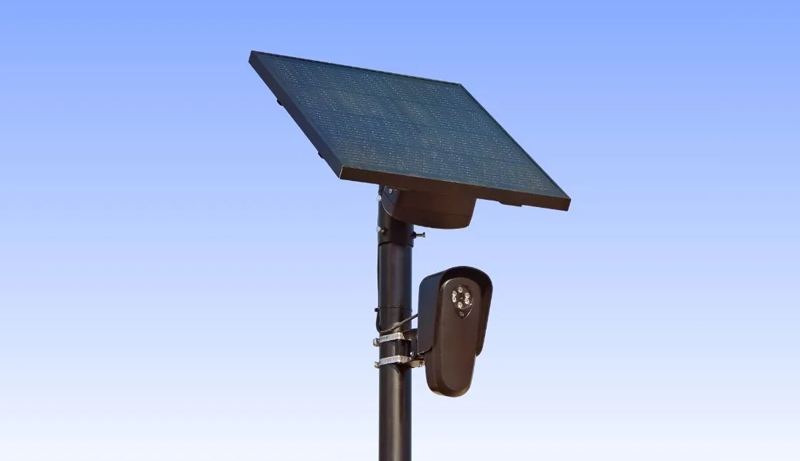
Flock Cameras are designed to integrate smoothly into existing security and monitoring environments. They can be installed on poles, buildings, or entrances without extensive infrastructure changes. Once installed, the system operates continuously with minimal maintenance, relying on automated updates and remote diagnostics to ensure reliability.
Alert systems are a core part of how Flock Cameras work. Users can create watchlists for vehicles of interest, triggering notifications when those vehicles pass a camera. Alerts can be customized based on location, time, or specific vehicle attributes, allowing targeted monitoring without constant manual supervision.
Ongoing operation is supported by software updates that improve performance and security over time. These updates enhance recognition accuracy, add new features, and address emerging challenges without requiring physical hardware changes. The system’s scalability allows additional cameras to be added easily as coverage needs expand.
Through consistent operation, intelligent alerts, and seamless integration, Flock Cameras maintain long-term effectiveness. Their design emphasizes reliability and adaptability, ensuring they continue to function efficiently as monitoring needs evolve.
Are Flock Cameras Recording You?
Many people wonder whether modern vehicle monitoring systems are constantly watching them as they move through neighborhoods and public spaces. This concern is understandable, especially as security technology becomes more visible and widely discussed. Questions about personal privacy often arise when cameras are installed in areas used daily by residents and drivers.
Flock Cameras are designed with a specific purpose in mind: capturing vehicle-related information rather than recording individuals. These systems focus on vehicles as they pass through a camera’s field of view, collecting details such as license plate numbers and visible vehicle characteristics. They are not intended to track people’s faces or personal activities.
Unlike traditional surveillance cameras that record continuous video, Flock Cameras operate on an event-based model. They capture still images when a vehicle is detected instead of filming everything that happens in the area. This approach limits the amount of data collected and reduces the likelihood of incidental recording.
Another important aspect is how access to the data is controlled. Only authorized users, such as law enforcement agencies or approved community administrators, can view or search the information. The data is stored securely and is typically subject to retention limits and usage policies to prevent misuse.
While these cameras may capture images of vehicles you drive, they are not recording conversations, tracking mobile devices, or monitoring daily routines. Their function is focused on vehicle movement for safety and investigative purposes.
Understanding how the system works helps clarify what is and is not being recorded. Knowing that the technology centers on vehicles rather than individuals can ease concerns while allowing communities to benefit from improved security and awareness.
Privacy and Legal Concerns Around Flock Cameras
Privacy and legal concerns around Flock Cameras have become an important topic as more communities and organizations adopt this technology. While the system is designed to focus on vehicles rather than individuals, questions often arise about how collected data is used, stored, and protected. These concerns reflect a broader discussion about surveillance technology and personal privacy in public and semi-private spaces.
One major privacy concern involves data collection and retention. Flock Cameras capture images of vehicles along with license plate information, timestamps, and locations. Critics worry about how long this data is stored and whether extended retention could allow for patterns of movement to be analyzed over time. In response, many users implement strict retention limits that automatically delete data after a set period unless it is needed for an active investigation.
Legal considerations also play a significant role in how Flock Cameras are deployed. Laws governing surveillance and data privacy vary by state and jurisdiction. Some regions require clear signage to inform the public that vehicle monitoring is in use, while others impose limits on how data can be shared between agencies or private entities. Compliance with these regulations is essential to avoid legal challenges.
Access control is another key issue. To address misuse concerns, systems typically restrict access to authorized personnel only, using audit logs to track who views or searches data. This accountability helps ensure that information is used solely for legitimate safety or investigative purposes.
As adoption continues, transparency has become increasingly important. Communities that clearly communicate why the cameras are used, how data is handled, and what safeguards are in place tend to face fewer concerns. Balancing public safety benefits with privacy rights remains central to the ongoing discussion around Flock Cameras.
Benefits of Flock Cameras
Flock Cameras offer a range of benefits for communities, businesses, and law enforcement agencies by providing reliable vehicle-focused monitoring. These systems are designed to enhance safety, improve response times, and streamline investigations without relying on constant human supervision. By leveraging automation and data organization, they support proactive security strategies and more informed decision-making across different environments.
Enhanced Community and Property Safety
One of the primary benefits of Flock Cameras is their ability to strengthen overall safety in neighborhoods and commercial properties. By monitoring vehicle activity at entry and exit points, these cameras help identify unusual or suspicious movement patterns that may indicate potential security issues. This presence alone can act as a deterrent, discouraging criminal activity such as theft, vandalism, or unauthorized access.
Communities benefit from faster incident awareness because vehicle data is captured automatically and made searchable almost instantly. When an incident occurs, relevant vehicle information can be reviewed quickly, allowing stakeholders to understand what happened without relying solely on eyewitness accounts. This reduces uncertainty and supports more accurate reporting.
Flock Cameras also promote a sense of shared responsibility among residents or property users. Knowing that vehicle movement is monitored often encourages compliance with community rules and reduces reckless or harmful behavior. The system operates consistently, day and night, ensuring coverage even during hours when traditional patrols may be limited.
By focusing on vehicles rather than individuals, the technology supports safety goals while maintaining a clear and specific monitoring purpose. This targeted approach allows communities to improve security without adopting overly intrusive surveillance practices.
Faster and More Effective Investigations
Flock Cameras significantly improve the efficiency of investigations by transforming raw visual data into searchable records. Instead of manually reviewing hours of video footage, authorized users can quickly filter vehicle data based on license plate numbers, colors, makes, models, or time ranges. This capability saves valuable time during investigations when speed is critical.
When crimes involve vehicles, such as burglaries or hit-and-run incidents, having immediate access to accurate vehicle information can make a substantial difference. Investigators can trace a vehicle’s movement across multiple locations, helping establish timelines and identify patterns that might otherwise be missed. This clarity supports stronger evidence collection and more informed decision-making.
The system also enhances collaboration between different stakeholders. Law enforcement agencies, private properties, and community administrators can share relevant vehicle data within established guidelines. This shared visibility allows incidents to be addressed more comprehensively, especially when vehicles move across jurisdictional boundaries.
By reducing manual workloads and increasing data accuracy, Flock Cameras allow investigative teams to focus their efforts where they matter most. The result is a more streamlined investigative process that leads to quicker resolutions and improved outcomes.
Proactive Alerts and Real-Time Awareness
Another key benefit of Flock Cameras is their ability to provide proactive alerts and real-time awareness. Users can create customized watchlists for specific vehicles of interest, such as stolen cars or vehicles linked to previous incidents. When a matching vehicle is detected, the system sends an immediate notification, enabling rapid response.
This alert-based functionality shifts security efforts from reactive to proactive. Instead of reviewing data after an incident has occurred, stakeholders can take action as soon as a relevant vehicle appears. This is particularly valuable in preventing repeat offenses or intercepting vehicles connected to ongoing investigations.
Real-time awareness also improves coordination during active situations. Security teams and law enforcement can respond with accurate information about vehicle location and movement, reducing confusion and delays. Alerts can be tailored based on location, time of day, or vehicle attributes, ensuring that notifications remain relevant and manageable.
The ability to stay informed without constant monitoring reduces operational strain. Automated alerts allow teams to maintain situational awareness while focusing on other responsibilities, making Flock Cameras an efficient tool for continuous oversight.
Scalable, Low-Maintenance Security Solution
Flock Cameras are designed to be scalable and easy to maintain, making them suitable for both small communities and large organizations. Installation typically requires minimal infrastructure changes, and additional cameras can be added as coverage needs expand. This flexibility allows systems to grow alongside changing security requirements.
Once deployed, the cameras operate with minimal hands-on management. Software updates, system improvements, and performance optimizations are handled remotely, reducing the need for on-site technical support. This lowers long-term operational costs and ensures the system remains up to date.
Cloud-based storage further enhances scalability by eliminating the need for local servers. Large volumes of data can be stored securely and accessed when needed without impacting system performance. This centralized approach simplifies management and supports consistent operation across multiple locations.
The combination of scalability, reliability, and low maintenance makes Flock Cameras a practical long-term investment. Organizations can maintain effective vehicle monitoring without dedicating extensive resources, allowing them to focus on broader safety and operational goals.
How Much Do Flock Cameras Cost?
When considering Flock Cameras for vehicle monitoring and security, one of the most common questions is how much the system costs. The overall expense can vary widely depending on several factors, including the number of cameras, the type of installation, and the services you choose. Understanding these cost components helps you plan a budget that suits your needs without surprises.
The first cost to consider is the hardware itself. Each Flock Camera unit has a price that can differ based on the model, features, and whether it includes additional capabilities like enhanced night vision or ruggedized casings for extreme weather. Purchasing multiple cameras increases the initial investment proportionally, so larger properties or communities will naturally require a higher upfront cost.
Installation fees are another important factor. Professional setup ensures cameras are positioned correctly, configured for optimal performance, and connected to power and network infrastructure. Depending on the complexity of the site—such as the need for poles, mounts, or electrical upgrades—installation costs can vary significantly. Some providers offer bundled installation packages, which may reduce costs compared to hourly service charges.
Subscription costs for cloud storage and software access are ongoing expenses that should not be overlooked. Flock Camera systems typically rely on cloud platforms to store vehicle data, manage alerts, and provide searchable access. Subscription plans may be tiered based on storage limits, the number of users, or advanced analytics features, so monthly or annual fees can fluctuate based on your chosen level of service.
Additional fees may include maintenance, extended warranties, or optional support services. These help ensure long-term reliability and quick issue resolution but add to the total cost of ownership. Before committing, it’s wise to compare multiple quotes and clearly understand what’s included.
Overall, the cost of Flock Cameras depends on the scale of your implementation and the features you prioritize. Planning ahead and balancing initial and ongoing expenses will help you make an informed decision that fits your security goals.
Frequently Asked Questions (FAQs)
What Are Flock Cameras Used For?
Flock cameras are used to monitor vehicle activity in specific areas such as neighborhoods, parking lots, business entrances, and roadways. You’ll find that their main purpose is to improve safety and assist with investigations involving vehicles. They help identify stolen cars, track vehicles linked to incidents, and provide situational awareness without requiring constant human monitoring. Their vehicle-focused design makes them useful for both preventive security and post-incident review.
Do Flock Cameras Record People or Faces?
You should know that Flock cameras are not designed to record people or recognize faces. They focus strictly on vehicles by capturing license plates and visible vehicle characteristics like color and type. While a person may appear inside a vehicle image, the system does not analyze or identify individuals. This design helps limit data collection to vehicles only.
Where Are Flock Cameras Commonly Installed?
You may see Flock cameras installed at entrances and exits of neighborhoods, apartment complexes, commercial properties, schools, and along roadways. These locations allow the system to capture vehicles as they pass through defined areas. Placement is intentional and strategic to monitor vehicle movement rather than general public activity.
How Long Is Data From Flock Cameras Stored?
Data retention depends on the organization using the system. In many cases, vehicle data is stored for a limited period, often 30 days, before being automatically deleted. You can expect longer retention only when data is needed for an active investigation. This approach helps balance security needs with privacy considerations.
Who Can Access Flock Camera Footage?
Access is typically restricted to authorized users such as law enforcement agencies, property managers, or approved community administrators. You cannot access the data unless you have explicit permission. Most systems also use audit logs, so every search or data view is tracked to prevent misuse.
Are Flock Cameras Legal to Use?
In most regions, Flock cameras are legal when used in compliance with local and state laws. You’ll find that regulations often focus on data usage, retention, and transparency rather than banning the technology itself. Organizations using these cameras are generally required to follow privacy policies and ensure responsible data handling.
Conclusion
Modern security solutions continue to evolve as communities and organizations look for smarter ways to stay protected. Vehicle-focused monitoring systems have become an important part of this shift, offering tools that support safety, awareness, and faster response without constant manual oversight.
Understanding what are flock cameras helps clarify why they are increasingly used in neighborhoods, businesses, and public spaces. These systems focus on vehicles rather than individuals, allowing authorities and property managers to gather useful information related to traffic flow, investigations, and crime prevention while keeping operations efficient and targeted.
As technology advances, transparency and responsible use remain essential. When used with clear policies and proper oversight, these cameras can provide meaningful benefits without overstepping privacy boundaries. Learning how they work and what they are designed to do allows you to make informed decisions and engage more confidently in discussions about security, privacy, and modern surveillance tools.