Do Hospital Rooms Have Cameras?
Hospitals are places where people expect care, professionalism, and respect for personal boundaries. At the same time, modern healthcare relies heavily on technology to improve patient safety and staff accountability. This balance often raises concerns about monitoring, privacy, and how far surveillance should go inside medical facilities.
Patients and their families frequently wonder about what happens behind closed doors in a hospital room. Questions about observation, security, and data protection naturally come up during vulnerable moments such as treatment, recovery, or overnight stays. These concerns are valid and deserve clear, honest discussion.
One of the most common questions asked today is do hospital rooms have cameras, especially with the growing presence of digital systems in healthcare settings. The idea of being recorded while receiving medical care can feel unsettling, making transparency from hospitals increasingly important.
Understanding hospital policies, legal boundaries, and the reasons surveillance may exist helps reduce confusion and fear. Exploring this topic allows patients to feel more informed, confident, and prepared when navigating their healthcare experience.
Do Hospital Rooms Have Cameras?
Hospitals use many forms of monitoring to keep patients safe, but the presence of cameras inside hospital rooms is often misunderstood. In most standard patient rooms, cameras are not routinely installed. Privacy laws and ethical standards strongly protect patients from constant visual surveillance, especially in spaces where examinations, rest, and personal care take place.
When cameras are used, they are typically limited to specific medical situations. For example, intensive care units or neonatal units may use video monitoring to observe critical patients without disturbing them. In these cases, cameras are focused on medical safety rather than surveillance, and access is usually restricted to authorized medical staff only.
Security cameras are far more common in public and semi-public areas of hospitals. Hallways, entrances, waiting rooms, and parking areas often have visible cameras to prevent theft, manage visitor access, and ensure overall safety. These cameras are not intended to monitor patients directly but to maintain a secure environment for everyone in the facility.
There are also situations where temporary cameras may be used with consent. Some hospitals use video monitoring for fall prevention or remote patient observation, especially for patients at high risk. In such cases, patients or their caregivers are informed, and strict policies govern how footage is viewed, stored, and deleted.
Ultimately, hospitals must balance patient safety with dignity and privacy. While technology plays a growing role in healthcare, clear policies and transparency help ensure patients feel respected, informed, and comfortable during their stay.
Where Cameras Are Commonly Used in Hospitals
Hospitals rely on cameras as part of broader safety, security, and care strategies. These systems are not placed randomly and are usually limited to specific areas where monitoring supports protection, workflow efficiency, or patient well-being. Understanding where cameras are commonly used helps clarify their purpose and reduces concerns about unnecessary surveillance or privacy invasion within healthcare environments.
Hospital Entrances, Exits, and Lobbies
Hospital entrances and exits are among the most common locations for security cameras. These areas experience constant foot traffic from patients, visitors, staff, and vendors. Cameras help hospitals monitor who enters and leaves the facility, which is essential for maintaining a safe and controlled environment.
In emergency situations, recorded footage can assist security teams in responding quickly to disturbances, unauthorized access, or suspicious behavior. Hospitals often operate 24/7, making real-time monitoring especially valuable during late-night hours when staffing levels may be reduced.
Lobbies and reception areas also use cameras to support front-desk staff. Visual monitoring helps identify overcrowding, manage visitor flow, and detect potential safety issues before they escalate. This is particularly important in large hospitals where multiple entrances exist.
These cameras are generally visible and clearly placed in public spaces. Their purpose is security and safety rather than patient monitoring, and they do not capture private medical interactions or personal treatment details.
Hallways and Common Areas
Hospital hallways connect patient rooms, nursing stations, diagnostic areas, and emergency departments. Cameras in these corridors help track movement, prevent theft, and ensure smooth operations. Equipment such as wheelchairs, IV stands, and portable monitors are valuable and often need protection from misuse or loss.
From a safety perspective, hallway cameras allow staff to quickly identify falls, medical emergencies, or conflicts between visitors. This enables faster response times, which can be critical in urgent situations where every second matters.
Common areas such as waiting rooms, cafeterias, and family lounges also commonly use cameras. These spaces bring together large groups of people, increasing the need for monitoring to prevent altercations, vandalism, or unauthorized behavior.
Importantly, cameras in hallways and shared spaces are positioned to avoid direct views into patient rooms. Hospitals are careful to maintain privacy while still ensuring that shared areas remain safe, organized, and well supervised.
Intensive Care Units and Specialized Wards
Certain specialized hospital units use cameras as part of patient care rather than security. Intensive care units, neonatal units, and high-dependency wards may employ video monitoring to observe patients who require constant attention.
In these settings, cameras allow medical staff to monitor vital activity without repeatedly entering rooms, reducing infection risks and minimizing disturbances to critically ill patients. This is especially useful for newborns in neonatal care or patients connected to complex life-support equipment.
These systems are typically restricted to medical teams and are governed by strict protocols. Access is logged, usage is regulated, and footage is not used for non-medical purposes. In many cases, families are informed about the presence of monitoring systems.
Unlike security cameras, these devices focus on clinical observation. They are part of patient safety strategies and are used only when medically necessary, ensuring care quality while respecting ethical and legal standards.
Parking Lots and Outdoor Areas
Parking lots and outdoor hospital areas are common locations for surveillance cameras due to higher security risks. These areas are more vulnerable to vehicle theft, vandalism, and personal safety incidents, especially during nighttime hours.
Cameras in parking structures help protect patients, visitors, and staff as they move between their vehicles and hospital buildings. This is particularly important for individuals leaving late at night or during early morning hours.
Outdoor cameras also assist with traffic management, monitoring ambulance bays, and ensuring emergency routes remain clear. They support smooth hospital operations by helping staff respond to congestion or unauthorized parking quickly.
These cameras focus exclusively on public outdoor spaces and do not monitor medical care. Their role is preventative and protective, contributing to overall hospital safety without interfering with patient privacy or treatment environments.
Are Hospital Room Cameras Always Recording?
The idea of cameras constantly recording inside hospital rooms often causes concern, but the reality is more limited. In most cases, hospital room cameras are not continuously recording patients. Standard patient rooms typically do not have active video surveillance due to strict privacy laws and ethical guidelines that protect personal medical care.
When cameras are present in a hospital room, they are usually used for specific purposes rather than nonstop recording. Some systems operate only during certain hours or are activated when a patient is considered high-risk, such as those prone to falls or medical emergencies. These systems are designed to enhance safety, not invade privacy.
In specialized units like intensive care or neonatal wards, video monitoring may run for extended periods. Even then, recording is often focused on observation rather than long-term storage. Many hospitals use live feeds without saving footage unless an incident requires review for medical or legal reasons.
Hospitals also apply strict access controls to recorded material. Only authorized healthcare professionals can view the footage, and access is logged to prevent misuse. Retention policies usually limit how long recordings are kept, ensuring data is not stored unnecessarily.
Overall, hospital room cameras are purpose-driven and carefully regulated. Continuous recording is rare, and when monitoring is used, it follows clear policies meant to balance patient safety with dignity, confidentiality, and trust.
Patient Privacy Laws and Regulations
Patient privacy is a fundamental principle in healthcare, protected by strict laws and professional standards. Hospitals are legally required to safeguard personal health information, ensuring that patients can receive care without fear of unnecessary exposure or misuse of their data. These protections apply to both physical records and digital systems, including video monitoring.
In many countries, healthcare privacy laws clearly limit where and how surveillance can be used. Regulations often prohibit cameras in areas where patients expect complete privacy, such as standard hospital rooms, bathrooms, and changing areas. Any form of monitoring must serve a clear medical or safety purpose and meet legal requirements.
In the United States, laws such as the Health Insurance Portability and Accountability Act (HIPAA) govern how patient information is collected, stored, and shared. Video footage that identifies a patient can be considered protected health information, meaning hospitals must handle it with the same level of security as medical records.
Hospitals must also inform patients when monitoring systems are in place. Consent, signage, or written notices are commonly required, especially when cameras are used for observation in specialized units. Patients often have the right to ask questions or request alternatives when possible.
Strict internal policies support these laws by controlling who can access recordings and how long data is retained. Together, legal regulations and hospital policies work to maintain trust, protect dignity, and ensure ethical use of technology in healthcare settings.
How to Know If There Is a Camera in Your Hospital Room
Understanding whether a camera is present in your hospital room can ease anxiety and help you feel more in control of your surroundings. Hospitals follow strict privacy rules, but monitoring may still be used in specific situations. Knowing what signs to look for and who to ask allows patients and families to stay informed and confident during a hospital stay.
Look for Visible Equipment and Monitoring Devices
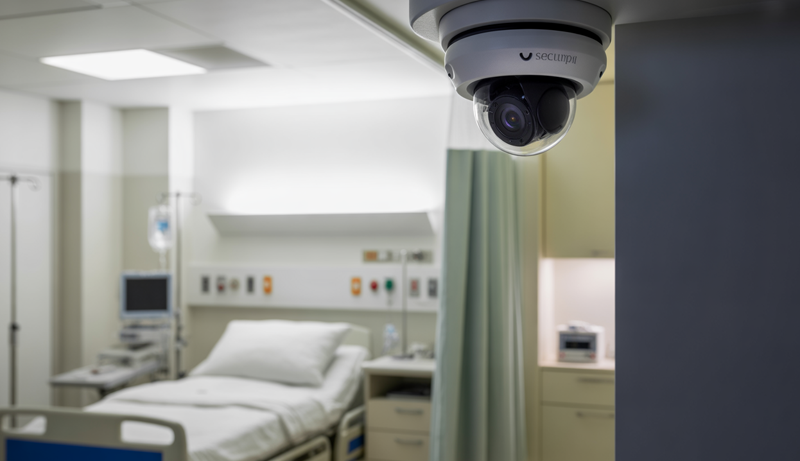
One of the first ways to identify a camera in a hospital room is by observing the equipment installed in visible areas. Cameras used for patient monitoring are rarely hidden. They are often mounted on walls or ceilings and may resemble small dome-shaped devices or fixed lenses positioned to view the bed area.
These cameras are usually placed alongside other medical equipment, such as vital sign monitors or call systems. Unlike security cameras in public areas, room-based cameras are designed for clinical use and are clearly noticeable upon close inspection. Wires or network cables connected to these devices may also be visible.
In many cases, patient monitoring cameras include indicator lights that signal when the system is active. A small LED light may be present to show whether the feed is on or off. Hospitals avoid concealing such devices because transparency is essential for maintaining trust.
It is also important to distinguish cameras from other common room fixtures. Smoke detectors, motion sensors, or nurse-call buttons can sometimes be mistaken for cameras. Taking a moment to observe their shape and placement can help reduce confusion and unnecessary worry.
Check for Posted Notices or Room Information
Hospitals are generally required to inform patients when video monitoring is in use. One clear way to know if a camera is present is by checking posted notices inside the room or near the entrance. These notices may explain that video monitoring is being used for safety or medical observation.
Some hospitals include this information on admission paperwork, whiteboards in the room, or printed patient guides. Signs are often written in clear language to ensure patients and visitors understand the purpose of monitoring and how it supports care.
In rooms where temporary cameras are used, such as for fall prevention, hospitals may post reminders indicating that observation is active. These notices are meant to keep patients aware and prevent any feeling of being secretly watched.
Even when cameras are not actively recording, hospitals may still disclose the presence of monitoring equipment as part of their transparency policies. Reading all posted materials carefully can provide valuable clarity and help patients feel reassured about how their privacy is being handled.
Ask Hospital Staff Directly
The most reliable way to know if there is a camera in your hospital room is to ask a nurse, doctor, or hospital administrator directly. Medical staff are trained to explain monitoring practices clearly and honestly, especially when it concerns patient comfort and consent.
Nurses are often the best first point of contact. They can explain whether any video monitoring is in place, why it is being used, and who has access to the footage. In many cases, they can also tell you whether the camera is live-only or if recording is involved.
Patients have the right to ask detailed questions, including how long footage is kept and whether monitoring can be paused during personal care. Hospitals expect these questions and typically welcome open communication.
If needed, staff can also connect you with patient relations or privacy officers who specialize in explaining hospital policies. Asking directly not only provides accurate information but also reinforces your role as an active participant in your care experience.
Review Consent Forms and Admission Documents
Hospital admission documents often contain important details about monitoring and privacy practices. Reviewing these forms carefully can reveal whether cameras may be used during your stay and under what circumstances.
Some consent forms include sections explaining remote observation, video monitoring, or electronic safety systems. These sections outline how monitoring supports patient safety and what rights patients have regarding consent or refusal when options exist.
In certain units, such as intensive care or specialized observation rooms, consent for monitoring may be included as part of standard care agreements. While this does not always mean cameras are recording, it indicates that visual monitoring could be used if medically necessary.
Patients or family members can request clarification on any document they do not understand. Asking staff to walk through consent forms ensures transparency and helps prevent misunderstandings. Taking the time to review paperwork empowers patients with knowledge and confidence about their hospital environment.
Can Patients or Families Install Their Own Cameras?
Patients and families often consider installing their own cameras in hospital rooms to ensure safety, monitor care, or stay connected with loved ones. While the intention is usually positive, hospitals do not automatically allow personal recording devices in patient rooms due to privacy, legal, and security concerns.
Hospitals must protect the privacy of not only the patient but also medical staff, roommates, and visitors. A personal camera could unintentionally record doctors, nurses, or other patients, which may violate privacy laws and hospital policies. For this reason, many facilities restrict or regulate the use of personal surveillance equipment.
Some hospitals may allow limited use of personal cameras under specific conditions. This often requires written permission, clear signage, and agreement that the device will not record audio or staff without consent. Policies can vary widely depending on location, hospital type, and local regulations.
Families are encouraged to speak with hospital administrators or patient relations teams before installing any recording device. Open communication helps clarify what is permitted and avoids misunderstandings that could interfere with care or hospital operations.
In many cases, hospitals offer alternative solutions such as approved monitoring systems or scheduled video calls. These options provide reassurance and connection while respecting legal boundaries and maintaining a safe, respectful environment for everyone involved.
People Also Asked
Do Hospital Rooms Have Cameras For Patient Monitoring?
You may wonder whether hospital rooms have cameras watching you during your stay. In most cases, standard hospital rooms do not have cameras installed for constant monitoring. Privacy laws and ethical guidelines protect you from unnecessary surveillance in private care spaces. Cameras are only used in limited medical situations, such as intensive care units or for patients at high risk of falls, and even then, their purpose is safety rather than observation.
Are Hospital Room Cameras Always Recording You?
Hospital room cameras are not usually recording at all times. When cameras are used, they are often live-monitoring systems rather than continuous recording devices. You are typically monitored only when medically necessary, and recordings may only be saved if an incident occurs. Strict hospital policies control when recording starts, how long footage is kept, and who can access it.
Can You Ask The Hospital If Your Room Has A Camera?
You absolutely have the right to ask if there is a camera in your hospital room. Nurses, doctors, or hospital administrators can explain whether monitoring is in place and why it is being used. You can also ask whether the camera records video, who can see it, and how long any footage is stored. Hospitals are required to be transparent about monitoring practices.
Are Cameras Allowed In All Areas Of A Hospital?
Cameras are not allowed in all areas of a hospital. You will commonly find them in public spaces like hallways, entrances, waiting rooms, and parking areas. These cameras are used for security, not patient observation. Private areas such as bathrooms, changing areas, and most patient rooms are legally protected from surveillance to maintain dignity and privacy.
Can Families Install Their Own Cameras In Hospital Rooms?
You or your family cannot install personal cameras in a hospital room without permission. Doing so may violate hospital rules and privacy laws, especially if staff or other patients are recorded. Some hospitals may allow limited use of personal devices with written approval, but policies vary. Always discuss this with hospital administration before setting up any recording device.
What Laws Protect You From Being Secretly Recorded?
Patient privacy laws strongly protect you from secret recording in hospitals. In many countries, video footage that identifies you is treated as confidential medical information. Hospitals must inform you if cameras are used, limit access to recordings, and securely store or delete footage. These laws exist to ensure you feel safe, respected, and protected while receiving medical care.
Conclusion
Understanding how surveillance is used in healthcare can help reduce fear and confusion during a hospital stay. While technology plays an important role in safety and care, hospitals are still guided by strict ethical standards that prioritize dignity, trust, and personal privacy.
Many people ask do hospital rooms have cameras because they want reassurance during vulnerable moments. In most cases, standard patient rooms are not equipped with cameras, and when monitoring is used, it is limited, regulated, and tied to specific medical needs. Transparency and consent remain central to these practices.
Knowing your rights, asking questions, and reviewing hospital policies can help you feel more confident and informed. By understanding why and where monitoring exists, patients and families can focus on recovery while trusting that privacy remains a fundamental part of the healthcare experience.