What Is a Good Camera for Beginners? (Complete Buyer’s Guide)
Getting into photography often begins with curiosity and excitement, but it can quickly feel overwhelming. There are countless camera models, technical terms, and opinions that make the first step seem complicated. Many beginners simply want a camera that helps them learn, explore creativity, and enjoy the process without frustration.
A beginner-friendly camera should feel comfortable to use, deliver reliable image quality, and offer room to grow. Features like intuitive controls, helpful auto modes, and solid build quality matter more at this stage than advanced professional specs. The goal is confidence behind the camera, not confusion.
This is where the question what is a good camera for beginners becomes important. A good starting camera balances simplicity and performance, allowing new photographers to focus on composition, lighting, and storytelling rather than technical obstacles.
Choosing the right camera also depends on personal interests, whether that involves travel, portraits, landscapes, or everyday moments. With the right guidance, finding a suitable first camera becomes an exciting step toward developing skills and capturing meaningful images.
What Makes a Camera Good for Beginners?
A camera that works well for beginners should first be easy to understand and comfortable to use. Simple menus, clearly labeled buttons, and a logical layout help new users learn faster without constantly referring to manuals. When basic settings are easy to access, beginners can focus more on taking photos rather than figuring out how the camera works.
Image quality is another important factor, but it does not have to be professional-level. A good beginner camera should produce sharp photos with accurate colors in most lighting conditions. Modern entry-level cameras offer excellent sensors and image processors that deliver impressive results without requiring advanced technical knowledge.
Automatic and guided shooting modes play a major role for beginners. These features help users understand how different settings affect photos while still allowing the camera to make smart decisions. As confidence grows, beginners can gradually explore manual controls at their own pace.
Portability also matters. A lightweight and compact camera is easier to carry and encourages regular use. Beginners are more likely to practice and improve when the camera fits naturally into daily life rather than feeling bulky or intimidating.
Lens options and flexibility should not be overlooked. Cameras that allow lens changes or offer versatile zoom lenses give beginners room to explore different photography styles. This flexibility supports long-term growth without needing an immediate upgrade.
Finally, value for money is essential. A good beginner camera offers a balance of useful features, durability, and affordability, making photography enjoyable and accessible from the very start.
Types of Cameras for Beginners
Choosing the right type of camera is one of the most important decisions for beginners. Each camera category offers different advantages depending on learning goals, budget, and shooting style. Understanding how DSLR, mirrorless, compact cameras, and smartphones compare helps beginners make a confident choice that supports both skill development and everyday use without unnecessary complexity.
DSLR Cameras
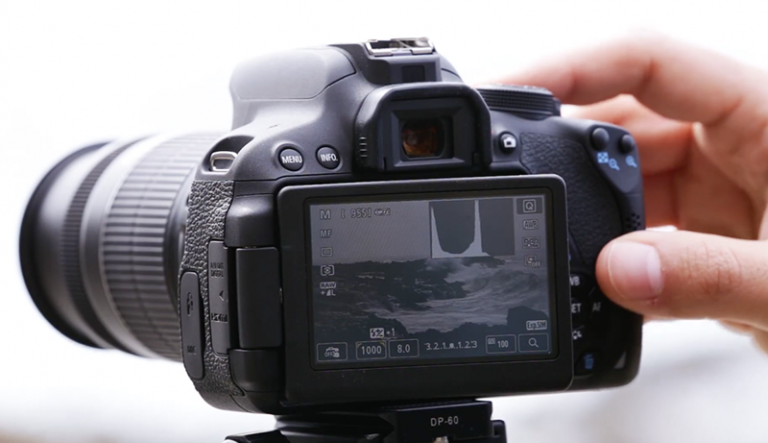
DSLR cameras are often recommended for beginners who want to learn photography fundamentals in a structured way. One of their biggest strengths is image quality, thanks to large sensors that perform well in different lighting conditions. DSLRs also offer excellent battery life, allowing beginners to shoot for long sessions without frequent recharging. Another major advantage is lens selection, as DSLR systems support a wide range of lenses suitable for portraits, landscapes, sports, and more.
However, DSLR cameras tend to be larger and heavier than other options, which can feel intimidating at first. Their size may discourage casual use or travel photography. The learning curve can also be steeper, especially for beginners unfamiliar with manual controls and technical settings. While this complexity helps build strong skills, it can feel overwhelming early on.
DSLRs are best suited for learners who want to understand exposure, focus, and composition deeply. The optical viewfinder encourages thoughtful framing, and manual modes provide full control. Beginners who enjoy hands-on learning and want a traditional photography experience often find DSLRs rewarding over time.
Mirrorless Cameras
Mirrorless cameras have become increasingly popular among beginners due to their compact design and modern features. Without a mirror mechanism, these cameras are smaller and lighter, making them easier to carry and more comfortable for everyday use. Many mirrorless models offer fast autofocus, excellent video capabilities, and real-time previews through electronic viewfinders or screens.
One downside is battery life, which is generally shorter compared to DSLRs. Because mirrorless cameras rely on electronic displays, batteries drain faster during extended shooting. Cost can also be a concern, as some mirrorless systems and accessories are priced higher, especially newer models with advanced features.
Mirrorless cameras are ideal for beginners who value portability and flexibility. They are well suited for those interested in both photography and video, including content creation and social media use. The ability to see exposure changes live on the screen helps beginners understand settings more intuitively while still offering room to grow.
Compact / Point-and-Shoot Cameras
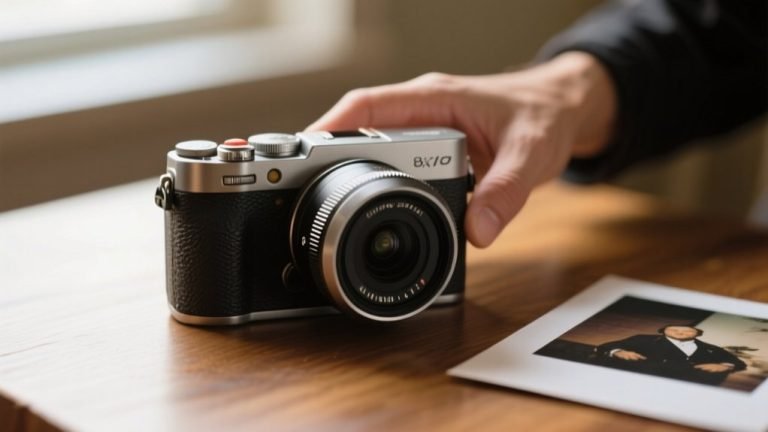
Compact or point-and-shoot cameras are designed with simplicity in mind. They are small, lightweight, and easy to use, making them appealing to beginners who want a straightforward shooting experience. These cameras usually come with built-in lenses and automatic modes that handle most settings without user input. Their portability makes them excellent for travel, family events, and casual photography.
The main limitation of compact cameras is reduced manual control. Beginners who want to experiment with shutter speed, aperture, and advanced techniques may find these options restricted. Image quality is generally good for everyday use but may not match that of larger-sensor cameras, especially in low-light conditions.
Point-and-shoot cameras are best for beginners who prioritize convenience over technical learning. They are ideal for users who want better image quality than a smartphone without carrying extra lenses or learning complex settings. For casual photographers, these cameras offer a simple and reliable solution.
Smartphone vs Camera for Beginners
For many beginners, a smartphone is often the first tool for photography. Modern smartphones offer impressive image quality, computational photography features, and convenience. They are always available, easy to use, and capable of capturing sharp photos in good lighting. For everyday moments, social media sharing, and casual shooting, a smartphone is often enough.
However, a dedicated camera becomes worth considering when beginners want more creative control. Cameras offer larger sensors, better low-light performance, optical zoom, and manual settings that smartphones cannot fully replicate. Learning photography techniques such as depth of field, long exposure, and lens choice is easier with a dedicated camera.
A smartphone works well for beginners focused on convenience and instant sharing. A camera is more suitable for those who want to develop skills, explore different photography styles, and achieve consistent results across various conditions.
Best Camera Features Beginners Should Look For
When choosing a first camera, ease of use should be a top priority for beginners. A camera with a simple menu system, clear icons, and well-labeled buttons helps new users feel comfortable right away. Touchscreens and guided settings can make navigation more intuitive, allowing beginners to learn basic functions without feeling overwhelmed.
Image quality is another key feature, but beginners do not need the most advanced sensor available. A reliable sensor that produces sharp images with natural colors in different lighting conditions is more than sufficient. Good low-light performance and effective image processing help beginners capture clear photos without relying heavily on manual adjustments.
Autofocus performance plays an important role in a positive learning experience. Fast and accurate autofocus helps beginners capture sharp images of moving subjects, pets, or everyday moments. Features like face and eye detection are especially useful, as they reduce missed shots and build confidence.
Built-in shooting modes and learning aids are valuable for beginners. Automatic, scene, and semi-automatic modes help users understand how settings affect the final image. These features allow gradual learning while still producing good results from the start.
Portability and build quality should not be overlooked. A lightweight camera is easier to carry and encourages regular practice. At the same time, a solid and comfortable grip helps beginners feel secure while shooting.
Finally, connectivity features such as Wi-Fi or Bluetooth add convenience. Easy photo transfer to smartphones or computers allows beginners to share images quickly and stay motivated as they continue learning photography.
Best Beginner Cameras
Choosing your first camera might feel overwhelming, but focusing on trusted beginner-friendly models helps narrow the field. The right camera can make learning easier and more enjoyable by offering intuitive controls, reliable performance, and features that grow with you as you improve your skills. Below we break down some of the best choices across key categories to help you find the one that fits your goals and budget.
Best Overall Camera for Beginners
A standout choice for most first-time buyers is a dedicated mirrorless camera that balances performance, ease of use, and versatility. These all-around cameras are designed to help beginners shoot both great photos and videos without steep learning curves. They typically include user-friendly guided menus, reliable autofocus systems, solid image quality, and modern features like fully articulating screens that make framing different shots easy, from portraits to everyday moments.
One well-regarded model in this category is the Canon EOS R10 (or similar APS-C mirrorless options), which offers excellent image quality, responsive autofocus, and 4K video capabilities. Its intuitive interface makes switching between automatic and manual controls easy as beginners gain confidence. Additionally, a wide range of compatible lenses lets you explore different styles like landscapes, portraits, or action photography without immediately needing to upgrade gear.
These cameras also tend to be lightweight and portable, encouraging frequent use — an important factor when you’re building your skills. For first-timers who want a camera that works well right out of the box and continues to deliver as your abilities grow, this category is a solid choice.
Best Budget Camera for Beginners
For many beginners, cost is a key consideration, and there are excellent affordable cameras that deliver great results without a high price tag. Budget-friendly mirrorless models like the Canon EOS R100 are designed specifically for newcomers, offering easy controls, decent image quality, and guided settings that simplify learning.
Even on a tight budget, you can find cameras with interchangeable lens systems, which give you room to grow without needing immediate upgrades. These cameras typically include basic autofocus systems, portable bodies, and straightforward shooting modes that handle most scenarios well. Features like built-in Wi-Fi or Bluetooth make it easy to transfer photos to your phone for sharing, which is especially handy for beginners who want to post images online.
While some budget models may not have advanced video specs or premium build materials, they more than cover the essentials for everyday photography. If your priority is learning photography fundamentals without overspending, these affordable options are a practical choice.
Best Camera for Beginner Photographers
If your focus is squarely on photography — and you’re less concerned with video — there are cameras tailored to that goal. Models aimed at stills-focused beginners tend to emphasize large, high-quality sensors, strong autofocus for photos, and solid exposure controls. Cameras like the Fujifilm X-T30 III deliver excellent image quality, rich color science, and a responsive shooting experience that keeps photography fun and engaging.
These cameras often offer a wider range of creative stills features, such as film simulation modes, burst shooting for action shots, and intuitive controls that help beginners understand how settings like aperture and shutter speed affect results. A lightweight mirrorless body combined with a versatile lens kit makes exploring different photography styles — from street to landscapes — easier.
Photography-oriented models can also serve as long-term gear as your skills grow, making them a smart investment for those committed to developing deeper technical abilities in still imagery.
Best Camera for Beginners Who Want Video or YouTube
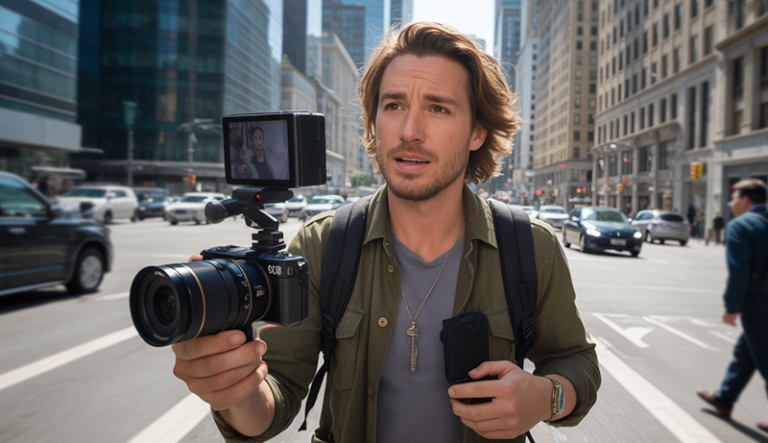
For beginners who plan to create video content, vlog regularly, or start a YouTube channel, cameras with strong video performance and autofocus are essential. Models designed with content creators in mind provide features like 4K recording, reliable face and eye-tracking autofocus, and vari-angle screens that make filming yourself easier.
A popular choice among beginner videographers is the Sony ZV-E10 II, which pairs a large sensor with excellent video specs and a creator-friendly interface. Its autofocus system locks onto subjects quickly and smoothly, and built-in tools like background defocus buttons help produce polished footage without needing advanced editing.
These cameras often include features such as clean HDMI output, microphone input jacks, and strong low-light performance, all of which are valuable for video creators. If your primary goal is video or multimedia content, choosing a camera optimized for these tasks will help you achieve professional-looking results more easily.
How Much Should a Beginner Spend on a Camera?
Deciding how much to spend on your first camera depends on your goals, interests, and how serious you are about photography or video. For most beginners, there’s a sweet spot between quality and affordability that makes learning fun without overspending on features you won’t use right away.
A good starter budget is typically between $400 and $900 (USD) (around ₹33,000 – ₹75,000 or BDT 35,000 – BDT 80,000 depending on exchange rates and local availability). In this range you’ll find entry-level mirrorless and DSLR cameras that deliver great image quality, reliable autofocus, and lots of room to grow as your skills improve.
Spending below $400 can still get you capable point-and-shoot cameras or older model kits, which are fine for casual photography, travel, and everyday shots. However, these may have limited manual controls and less flexibility for future growth.
On the other hand, spending above $900 gets into more advanced beginner cameras with better video features, faster autofocus, and higher-end performance. This can be worth it if you already know you want to focus seriously on photography or content creation.
Ultimately, the best budget balances what you get with how much you’ll use it. Start with a camera that feels comfortable, meets your needs, and lets you enjoy learning — without breaking the bank.
Common Mistakes Beginners Make When Buying a Camera
One common mistake beginners make when buying a camera is focusing too much on megapixels. While megapixel count sounds important, it does not automatically mean better image quality. Sensor size, image processing, and lens quality play a much bigger role. Many beginners overspend on high-megapixel cameras without seeing real benefits in everyday photography.
Another frequent mistake is choosing a camera that feels too complicated. Advanced models with complex menus and professional controls can quickly become frustrating. When a camera is difficult to use, beginners may lose motivation. A beginner-friendly camera should feel comfortable in hand and be easy to navigate, encouraging regular practice.
Ignoring lens options is also a common issue. Some beginners buy a camera without considering the availability and cost of compatible lenses. Limited or expensive lens ecosystems can restrict creativity and increase long-term costs. Choosing a system with affordable and versatile lenses provides more flexibility as skills grow.
Many beginners also underestimate the importance of ergonomics and portability. A camera that is too heavy or bulky often gets left at home. Comfort and size matter because a camera you carry frequently is far more useful than one with better specs that rarely leaves the bag.
Another mistake is spending the entire budget on the camera body alone. Accessories like memory cards, a spare battery, and a basic tripod are essential for a smooth experience. Forgetting these extras can limit usability right from the start.
Finally, beginners sometimes buy a camera based solely on trends or recommendations without considering personal needs. Photography goals vary, and the best camera is one that matches how and what you want to shoot.
Essential Accessories for Beginner Cameras
When you get your first camera, the body and lens are just the start — the right accessories can make your experience easier, more enjoyable, and more creative. Accessories help protect your gear, improve usability, and give you more flexibility to capture better photos and videos in different situations. Here are some essential items every beginner should consider adding to their kit.
A memory card is one of the very first accessories you’ll need. Cameras don’t usually come with built-in storage, so a reliable SD card with enough capacity (32GB or higher) and a good speed rating ensures you won’t run out of space during shoots. Faster cards also help when recording video or shooting bursts of photos.
Extra batteries are another must-have. Beginner cameras may seem to hold a charge well, but features like live view, autofocus, and video can drain power quickly. Having at least one spare battery means you won’t miss shots because your camera died at a critical moment.
A camera bag or case protects your gear while making it easier to carry around. Choose one with padded compartments to keep your camera and lenses safe from bumps and scratches. A comfortable strap or sling design also makes longer outings more convenient.
A tripod greatly expands what you can do with your camera. Even an affordable, lightweight tripod helps stabilize shots for landscapes, low-light scenes, and self-portraits. Tripods are especially valuable for beginners learning about composition and long exposures.
Lens filters such as UV or polarizing filters can protect your lens and improve image quality in certain situations. A polarizer, for example, reduces glare and enhances colors in skies and water.
Finally, a cleaning kit keeps your camera looking and performing its best. Blower bulbs, microfiber cloths, and sensor cleaning swabs help remove dust and smudges without damaging delicate surfaces.
Together, these accessories support your learning journey, helping you get the most out of your camera and feel confident shooting in a variety of conditions.
Frequently Asked Questions (FAQs)
What Is A Good Camera For Beginners?
A good camera for beginners is one that balances ease of use, image quality, and room to grow. You should look for a camera with intuitive controls, helpful automatic modes, and reliable autofocus. Entry-level mirrorless or DSLR cameras are often ideal because they allow you to learn photography basics while still producing high-quality images. The goal is to help you focus on creativity, not technical frustration.
Should A Beginner Buy A DSLR Or Mirrorless Camera?
If you are starting out, both DSLR and mirrorless cameras can be good choices. A DSLR is great if you want to learn traditional photography fundamentals and benefit from long battery life. A mirrorless camera is better if you value portability, modern features, and video performance. You should choose based on how and where you plan to use the camera most.
How Much Should You Spend On Your First Camera?
You should aim for a budget that gives you quality without overspending. Most beginners do well spending between a mid-range entry-level budget that includes a kit lens. This price range usually offers excellent image quality, dependable performance, and enough features to grow your skills. Spending more is only necessary if you already know you want advanced video or specialized features.
Are Kit Lenses Good Enough For Beginners?
Yes, kit lenses are usually good enough for beginners. They are designed to be versatile, covering common focal lengths for everyday photography. As a beginner, you can learn composition, lighting, and camera settings effectively with a kit lens. You can always upgrade to specialized lenses later when you better understand your shooting style.
Can You Learn Photography With Automatic Mode?
You can absolutely start learning photography using automatic mode. Automatic and scene modes help you get sharp, well-exposed photos while you learn basic concepts like framing and lighting. As you gain confidence, you can gradually move into semi-automatic and manual modes to understand how settings like aperture and shutter speed affect your images.
Is A Smartphone Better Than A Camera For Beginners?
A smartphone can be enough if you only want casual photos and convenience. However, if you want to truly learn photography, a dedicated camera is worth it. A camera gives you better low-light performance, optical zoom, manual controls, and creative flexibility. If your goal is skill development and consistent image quality, a camera is the better choice.
Conclusion
Choosing the right camera as a beginner is less about chasing the most advanced model and more about finding a tool that supports learning and enjoyment. A camera that feels comfortable, delivers consistent image quality, and encourages regular use will help build confidence and skills over time.
Understanding personal goals plays a major role in making the right decision. Whether the focus is photography, video, travel, or everyday moments, the best choice is one that matches how the camera will actually be used. Budget, portability, and ease of use should guide the process rather than trends or complex specifications.
Ultimately, what is a good camera for beginners comes down to balance. The right camera simplifies the learning curve while offering enough flexibility to grow. With a thoughtful choice, beginners can focus on creativity, practice consistently, and enjoy the journey of learning photography without unnecessary frustration.