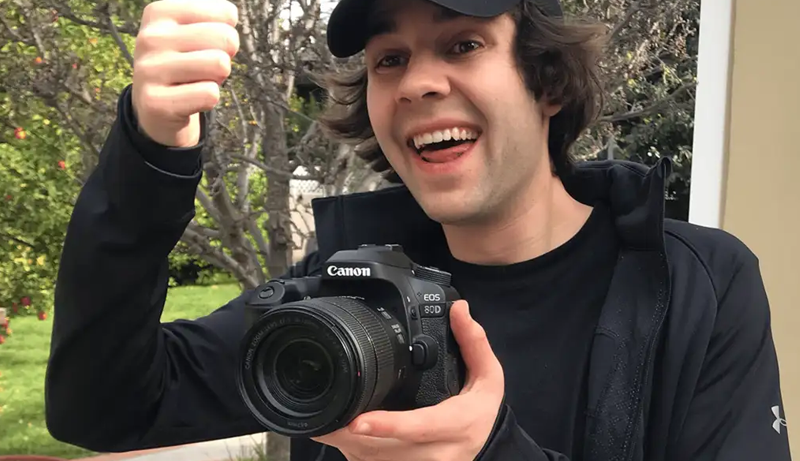
What Camera Does David Dobrik Use
David Dobrik’s videos have a look that feels effortless but instantly recognizable. The fast pacing, wide angles, and spontaneous moments make viewers feel like they’re right there with him, living the chaos and excitement in real time. That visual style didn’t happen by accident.
Over the years, fans and aspiring creators have become increasingly curious about the gear behind those iconic vlogs. It’s natural to wonder how much of that energy comes from storytelling alone and how much is influenced by the camera capturing every moment so smoothly and clearly.
This curiosity often leads to one common question: What Camera Does David Dobrik Use to film content that feels both raw and cinematic at the same time? His setup has played a major role in shaping not only his brand, but also modern vlog culture as a whole.
Understanding his camera choice offers insight into why his videos feel so immersive and dynamic. It also helps creators see how the right equipment, paired with creativity, can elevate simple moments into highly engaging content that millions love to watch.
What Camera Does David Dobrik Use?
When people ask What Camera Does David Dobrik Use, the answer most commonly points to the Canon PowerShot G7 X Mark II. This compact camera became almost synonymous with his vlogging style and played a huge role in defining the look of his early and most popular videos. Its portability made it perfect for spontaneous filming, which is central to his fast-paced content.
David Dobrik favored the Canon G7 X Mark II because it delivered high-quality video without the bulk of a professional DSLR setup. The camera’s wide-angle lens allowed him to capture large groups of friends in tight spaces, a frequent scenario in his vlogs. This helped maintain the energetic, inclusive feel viewers associate with his channel.
Another key reason this camera stood out is its excellent autofocus and image stabilization. Since many of his shots were filmed handheld and on the move, stabilization was crucial for keeping footage watchable and smooth. The flip-up screen also made self-filming easy, allowing him to stay engaged with the camera while reacting naturally to moments unfolding around him.
Over time, as his production evolved, David experimented with other cameras for specific projects, but the G7 X Mark II remains the most iconic. It represents a period when authenticity mattered more than overly polished visuals, and that balance resonated strongly with audiences.
Ultimately, What Camera Does David Dobrik Use isn’t just about the model itself. It’s about choosing a tool that supports creativity, speed, and personality—proving that the right camera can amplify a creator’s vision without getting in the way of genuine storytelling.
Who Is David Dobrik & Why His Camera Matters
David Dobrik is one of the most influential creators to emerge from the YouTube era, known for redefining what modern vlogging looks like. His rise to fame came from short, fast-paced videos filled with humor, surprise moments, and genuine reactions that felt unscripted and relatable.
What sets David apart is his storytelling style. Instead of focusing on perfect visuals, he prioritized energy, timing, and authenticity. His videos feel like highlights of real life rather than carefully staged productions, which helped him build a strong emotional connection with his audience.
This is exactly why his camera choice matters. The camera he used wasn’t just a recording device—it was a tool that allowed him to move quickly, capture spontaneous moments, and stay present in the action. A bulky or complicated setup would have slowed him down and changed the natural flow of his content.
His camera supported wide shots, handheld movement, and fast autofocus, all of which matched his chaotic yet controlled filming style. It enabled him to film friends in close quarters, jump between locations, and keep the momentum that defines his brand.
Ultimately, David Dobrik’s success proves that the right camera complements a creator’s vision. His gear choices reinforced his personality-driven content, showing that when storytelling and tools align, even simple moments can become massively impactful and culturally influential.
What Camera Does David Dobrik Use?
When discussing What Camera Does David Dobrik Use?, the conversation almost always centers around the Canon PowerShot G7 X Mark II. This compact camera became a defining part of his content during the peak of his YouTube career and helped shape the visual identity fans instantly recognize.
David Dobrik chose this camera largely because it fit his fast, unpredictable filming style. Its small size allowed him to carry it everywhere, making it easy to capture spontaneous moments without disrupting the flow of real-life interactions. That convenience was essential for his energetic, group-focused vlogs.
The camera’s wide-angle lens played a major role in his storytelling. It allowed multiple people to stay in frame, even in cars, hallways, or crowded rooms. This helped viewers feel immersed, as if they were part of the moment rather than just watching from a distance.
Strong autofocus and built-in image stabilization also made a noticeable difference. Since many clips were shot while moving, running, or laughing, the footage stayed sharp and watchable. The flip-up screen made self-filming effortless, letting him focus on reactions instead of technical settings.
Although David later experimented with higher-end cameras for certain projects, the G7 X Mark II remains the most iconic choice associated with him. In the end, What Camera Does David Dobrik Use? highlights how the right camera can enhance creativity, proving that impactful content comes from the creator’s vision, not just expensive gear.
Other Cameras David Dobrik Has Used Over Time
David Dobrik is most closely associated with a compact vlogging camera, but his content evolution didn’t rely on just one device. As his career grew, so did the scope of his projects, leading him to experiment with multiple cameras over time. Each camera served a different creative purpose, whether for cinematic shots, higher production quality, or professional collaborations.
Sony A7 Series for Cinematic Projects
As David began working on larger-scale content, brand deals, and cinematic segments, he occasionally turned to Sony’s A7 series cameras. These mirrorless cameras are widely respected for their full-frame sensors, strong low-light performance, and professional video capabilities. Unlike compact vlog cameras, the Sony A7 line allowed for interchangeable lenses, giving him far more creative control over depth of field and visual tone.
This camera choice aligned with moments when David wanted his content to feel more polished and cinematic. Slow-motion shots, dramatic lighting, and carefully framed scenes became more feasible with a camera designed for high-end video production. The improved dynamic range also helped preserve detail in bright highlights and dark shadows, which is especially useful for outdoor shoots.
Using a Sony A7 camera typically meant a more intentional filming process. These setups often require stabilization rigs, external microphones, and additional crew support. While this slowed down spontaneity, it elevated the overall visual quality and made the content suitable for commercial and professional use.
Although not ideal for everyday vlogging, Sony A7 cameras represented a shift toward cinematic storytelling. They allowed David to experiment visually and expand beyond his signature handheld style without abandoning the personality-driven approach that defined his brand.
RED Cameras for High-Production Shoots
For select high-budget productions, David has also been seen using RED cinema cameras. These cameras are industry standards in filmmaking, known for their exceptional image quality, color depth, and ability to shoot in extremely high resolutions. RED cameras are far removed from casual vlogging tools and are typically used on professional film sets.
This choice reflected moments when David was creating premium content that demanded the highest visual fidelity possible. RED cameras capture an incredible amount of detail, allowing for advanced color grading and post-production flexibility. This made them ideal for cinematic sequences, short films, or branded content that needed to meet professional standards.
Working with a RED camera completely changes the production environment. These cameras are heavy, complex, and require a skilled crew to operate properly. Lighting, sound, and camera movement become much more controlled, shifting the focus from spontaneity to precision.
While RED cameras were never part of his everyday workflow, their use highlighted how David adapted his tools to match the scale of a project. They allowed him to step into a more traditional filmmaking space while maintaining his recognizable storytelling style.
GoPro Cameras for Action and Specialty Shots
GoPro cameras played a different but important role in David’s content. These action cameras are compact, durable, and designed for situations where traditional cameras can’t be safely or practically used. Their ultra-wide lenses and stabilization made them perfect for capturing chaotic or high-energy moments.
David often used GoPros for car shots, stunts, or risky scenarios where damaging a larger camera would be a concern. The ability to mount a GoPro almost anywhere allowed him to capture unique angles that added variety and excitement to his videos.
The visual quality of a GoPro differs from traditional cameras, but that worked in his favor. The wide, immersive perspective enhanced the feeling of being inside the moment, which aligned well with his fast-paced editing style. Viewers experienced scenes from a first-person viewpoint, increasing engagement.
GoPros also reduced pressure during filming. Since they are designed to withstand impact and harsh conditions, David could focus on the moment rather than protecting expensive equipment. This freedom helped preserve the raw, unpredictable energy his audience loved.
Professional Cinema Cameras for Collaborative Work
During collaborations with studios, networks, or major brands, David sometimes worked with full professional cinema camera setups provided by production teams. These cameras are typically operated by experienced cinematographers and supported by lighting crews, audio technicians, and directors.
In these situations, the camera choice was less about portability and more about meeting industry standards. High-end cinema cameras deliver consistent quality across long shooting sessions and integrate seamlessly into professional workflows. This ensured the final product matched broadcast or commercial expectations.
Using these cameras placed David in a more traditional production environment. Shots were planned, scenes were repeated, and visual consistency became a priority. While this differed from his usual approach, it demonstrated his adaptability as a creator.
These experiences showed how David’s camera usage evolved alongside his career. From handheld spontaneity to fully produced shoots, each camera served a specific role in shaping different phases of his creative journey.
Lenses David Dobrik Uses for Vlogging
When it comes to vlogging, lenses are just as important as the camera body, and this is especially true for David Dobrik. His videos are known for crowded frames, fast movement, and spontaneous group moments, which makes wide-angle lenses the natural choice for his filming style.
David’s vlogs often feature multiple people in close spaces like cars, hallways, or living rooms. Wide-angle lenses help keep everyone in frame without forcing the camera too far back. This creates an immersive feeling, making viewers feel like they’re part of the group rather than passive observers.
Another advantage of wide lenses is their forgiving nature during handheld shooting. Since David frequently filmed while walking, laughing, or reacting in real time, wide-angle lenses reduced focus issues and minimized shaky framing. This helped maintain visual consistency even during chaotic moments.
As his production level increased, interchangeable-lens cameras allowed for more creative flexibility. Wide prime lenses and compact zoom lenses gave him control over framing while still maintaining portability. These lenses also perform well in low-light environments, which is useful for indoor filming without heavy lighting setups.
Lens choice also influenced the overall tone of his content. Instead of cinematic background blur, David’s vlogs often keep most of the scene in focus. This reinforces the raw, energetic, and authentic feel that defines his videos.
Ultimately, the lenses David Dobrik uses for vlogging support his storytelling rather than overshadow it. By prioritizing wide perspectives and ease of use, his lens choices helped capture genuine moments quickly, naturally, and without interrupting the flow of real life.
Audio Gear: How David Dobrik Captures Sound
Clear audio plays a major role in making vlogs feel immersive, and this is especially true for creators whose content relies on fast dialogue and real reactions. David Dobrik built his audience on authenticity, laughter, and group conversations, which made sound quality just as important as visuals. Over time, his audio approach evolved to match the chaotic yet engaging nature of his videos.
Built-In Camera Microphones for Spontaneity
In the early stages of his vlogging career, David relied heavily on built-in camera microphones. This choice aligned perfectly with his spontaneous filming style, where moments happened quickly and unpredictably. Using internal microphones allowed him to grab the camera and start filming instantly without setting up additional equipment.
Built-in microphones are limited compared to external options, but they offered one major advantage: speed. David’s content depended on capturing reactions as they happened, and stopping to attach a microphone could disrupt the natural flow of events. The rawness of the audio actually complemented the rawness of the visuals.
Another factor was proximity. David often held the camera close to himself and his friends, which helped internal microphones capture voices clearly enough for casual viewing. In group settings, the slightly chaotic audio matched the energy of the scene rather than feeling overly produced.
This approach also reduced technical distractions. Without worrying about batteries, cables, or syncing audio in post-production, David could focus entirely on storytelling and pacing. Simplicity played a big role in maintaining consistency across frequent uploads.
While built-in microphones aren’t ideal for professional audio, they supported the authenticity that defined his brand. The imperfect sound reinforced the feeling that viewers were watching real moments unfold, not scripted performances.
Shotgun Microphones for Improved Directional Audio
As David’s channel grew, so did expectations for audio clarity. For situations where dialogue needed to be more intelligible, he incorporated shotgun microphones mounted directly on the camera. These microphones are designed to focus on sound coming from the direction the camera is pointed.
Shotgun microphones helped isolate voices from background noise, which is especially useful in busy environments like streets, parties, or crowded rooms. This made conversations easier to follow without sacrificing the handheld filming style his audience loved.
These microphones also offered better consistency. Sudden laughter, shouting, or movement could still be captured clearly without drastic changes in volume. This improved the overall viewing experience while maintaining the natural feel of his vlogs.
Another benefit was ease of use. On-camera shotgun microphones are relatively compact and don’t require separate recording devices. This kept his setup lightweight and mobile, which is critical for fast-paced content.
Using shotgun microphones marked a subtle shift toward higher production value. The audio became cleaner, but not overly polished. This balance allowed David to elevate sound quality while preserving the chaotic energy that made his videos feel alive and unscripted.
Wireless Microphones for Controlled Environments
For more structured shoots, interviews, or branded content, David occasionally used wireless microphone systems. These microphones clip onto clothing and transmit audio directly to the camera or a receiver, offering clear and consistent sound.
Wireless microphones are ideal when subjects move around frequently or when the camera is positioned farther away. This ensured voices remained clear even if David wasn’t holding the camera close to the speaker.
This setup worked well for collaborative projects or planned segments where audio clarity mattered more than spontaneity. Conversations felt cleaner, and background noise was significantly reduced, making the content more polished and professional.
However, wireless microphones require more preparation. Attaching transmitters, checking batteries, and monitoring audio levels takes time. Because of this, David used them selectively rather than for everyday vlogging.
Their use highlighted how audio gear adapted to different content formats. When precision mattered, wireless microphones delivered reliable results. When speed and authenticity mattered more, simpler solutions took priority.
Post-Production Audio Enhancement
Beyond physical gear, audio quality was also shaped during editing. Background noise reduction, volume leveling, and compression helped smooth out inconsistencies without making the sound feel artificial.
Editing allowed David to maintain fast pacing without abrupt audio shifts. Laughter, dialogue, and music blended more naturally, enhancing viewer engagement.
This approach showed that capturing sound isn’t just about microphones. Thoughtful post-production ensured audio supported the storytelling rather than distracting from it.
By combining simple gear choices with smart editing, David created audio that felt effortless yet effective, matching the tone and rhythm of his visual content.
Stabilization & Accessories
Stabilization and accessories play a quiet but essential role in shaping the energetic feel of modern vlogs. For creators who film handheld, move constantly, and react in real time, these tools help keep footage watchable without sacrificing spontaneity. David Dobrik relied on a mix of in-camera features and minimal accessories to support his fast, unpredictable filming style while maintaining visual clarity.
Built-In Image Stabilization for Handheld Shooting
One of the most important stabilization tools David relied on was built-in image stabilization found in compact and mirrorless cameras. This feature reduces shakiness caused by hand movement, walking, or quick turns, which are common in high-energy vlogging. Since David rarely used tripods during casual filming, internal stabilization helped keep footage smooth enough to watch without feeling overly controlled.
Handheld shooting allowed him to stay immersed in the moment. Instead of worrying about steady framing, he could focus on reactions, timing, and interactions with friends. Built-in stabilization compensated for sudden movements, helping clips feel dynamic rather than distracting.
This type of stabilization also supported fast editing. Smooth clips reduced the need for heavy post-production correction, which helped maintain frequent upload schedules. The footage retained a natural, raw look while avoiding motion that could make viewers uncomfortable.
Another advantage was portability. Built-in stabilization eliminated the need for bulky accessories, keeping the camera lightweight and easy to carry. This matched David’s preference for simplicity and speed.
While not as precise as mechanical stabilization, in-camera stabilization struck the right balance between control and chaos. It supported a filming style that felt authentic, immersive, and constantly in motion.
Gimbals for Select Smooth Motion Shots
For specific situations that required extra smoothness, David occasionally used handheld gimbals. These motorized stabilizers counteract camera movement in real time, producing fluid motion even while walking or running. Gimbals are especially useful for tracking shots, entrances, or moments that benefit from cinematic movement.
Using a gimbal allowed David to elevate certain scenes without changing his overall style. Smooth motion added visual variety and helped emphasize important moments within a vlog. These shots stood out while still blending naturally into fast-paced edits.
However, gimbals also introduce limitations. They require setup time, balance adjustments, and careful handling. Because David valued spontaneity, gimbals were used selectively rather than as a constant tool.
When incorporated, gimbals often appeared during planned segments or transitions. This kept the visual experience engaging without slowing down the creative process. The contrast between stabilized shots and raw handheld clips added rhythm to his videos.
Gimbals demonstrated how stabilization could be applied strategically. Instead of overusing smooth motion, David used it as an accent, enhancing certain scenes while preserving the energetic tone his audience expected.
Tripods and Mini Mounts for Static Shots
Although handheld footage dominated his vlogs, tripods and mini mounts played a supporting role. These accessories were useful for static shots, time-based scenes, or moments where the camera needed to be placed down briefly.
Mini tripods offered flexibility without taking up much space. They could be set on tables, counters, or the ground, allowing David to step into the frame while keeping the camera stable. This was helpful for group shots or moments where hands-free filming was necessary.
Tripods also improved consistency in certain scenes. When framing mattered more than movement, a stable base ensured clean visuals. This reduced the need for retakes and kept scenes easy to edit.
Another benefit was safety. Placing the camera on a mount reduced the risk of drops or damage during chaotic moments. This allowed David to focus on interactions rather than protecting equipment.
While rarely the focus, tripods and mounts quietly supported the structure of his videos. They provided moments of visual stability that balanced out constant motion without disrupting the overall flow.
Essential Accessories for Speed and Reliability
Beyond stabilization, small accessories played a major role in keeping filming efficient. Extra batteries ensured uninterrupted shooting during long days, while high-capacity memory cards allowed continuous recording without frequent stops.
Compact camera grips improved handling and reduced fatigue during extended handheld use. A better grip also contributed to steadier shots, acting as a subtle form of stabilization.
Protective cases and straps added security during travel and active filming. Knowing the camera was protected allowed David to move freely without hesitation, which helped preserve spontaneity.
Quick-access accessories minimized downtime. The ability to swap batteries or cards quickly kept momentum going, which is critical for capturing fleeting moments.
These accessories didn’t change how the content looked on the surface, but they shaped how efficiently it was created. By removing technical friction, David maintained focus on storytelling, pacing, and genuine reactions.
Camera Settings David Dobrik-Style Vloggers Use
Camera settings play a major role in creating the fast, immersive look associated with energetic vlogging. For creators inspired by David Dobrik, the goal isn’t cinematic perfection but consistency, speed, and clarity in unpredictable environments. The right settings help capture spontaneous moments smoothly while keeping footage easy to edit and visually engaging for viewers.
Frame Rate Choices for Fast-Paced Energy
One of the most important settings for David Dobrik–style vlogging is frame rate. Most creators favor 30 frames per second (fps) for standard vlog footage because it feels natural and conversational. This frame rate closely matches how viewers are accustomed to seeing everyday motion, making content feel relatable rather than overly cinematic.
In some cases, higher frame rates like 60 fps are used, especially for action-heavy scenes. Filming at 60 fps allows creators to slow down footage slightly in editing without losing smoothness. This is useful for dramatic reactions, stunts, or moments where emphasis adds humor or impact.
Using higher frame rates also helps reduce motion blur during fast camera movement. Since handheld vlogging involves walking, turning, and sudden reactions, smoother motion keeps footage comfortable to watch.
However, consistently filming at very high frame rates can increase file sizes and reduce low-light performance. That’s why many David Dobrik–style vloggers switch frame rates depending on the situation rather than sticking to one setting.
The key takeaway is flexibility. Frame rate settings are chosen to support energy and pacing, not to follow rigid filmmaking rules. This adaptability keeps content dynamic without complicating the filming process.
Aperture and Depth of Field for Group Shots
A wide aperture isn’t always ideal for vlogging styles that involve multiple people in the frame. David Dobrik–style creators often use moderately narrow apertures, such as f/2.8 to f/4, to keep more of the scene in focus. This ensures that faces remain sharp even when people move closer or farther from the camera.
Keeping a deeper depth of field supports group interactions. In crowded environments like cars or living rooms, a narrow focus plane could cause faces to blur unintentionally. A slightly closed aperture reduces this risk and makes footage more forgiving.
Another benefit is consistency. With more of the frame in focus, autofocus systems don’t need to work as aggressively. This minimizes distracting focus hunting during spontaneous moments.
Lighting conditions also influence aperture choices. Indoors or at night, vloggers may open the aperture slightly to let in more light, balancing exposure without introducing excessive noise.
Instead of chasing dramatic background blur, these settings prioritize clarity and inclusivity. The audience can clearly see reactions from everyone involved, reinforcing the feeling of being part of the moment rather than watching a staged scene.
ISO and Low-Light Adaptability
ISO settings are crucial for vloggers who move between different lighting conditions quickly. David Dobrik–style content often transitions from bright outdoor scenes to dim indoor spaces without warning. Auto ISO is commonly used to handle these changes smoothly.
Auto ISO allows the camera to adjust sensitivity on the fly, keeping exposure balanced without manual intervention. This is ideal for creators who don’t want to pause filming to tweak settings during spontaneous moments.
That said, many vloggers set a maximum ISO limit to control noise. Keeping ISO within a reasonable range helps preserve image quality, especially on compact or mirrorless cameras.
In low-light situations, a slightly higher ISO is often preferred over motion blur. Grainy footage is generally more acceptable to audiences than blurry footage, especially in fast-paced vlogs.
This approach reflects a priority on usability over perfection. The goal is to capture the moment clearly enough to convey emotion and story, even if technical compromises are necessary. ISO settings are treated as a tool for adaptability rather than strict image optimization.
Autofocus Modes and Face Tracking
Reliable autofocus is essential for David Dobrik–style vlogging, where the camera is often pointed at moving subjects at arm’s length. Continuous autofocus modes are commonly used to keep faces sharp as the camera moves.
Face detection and tracking features are especially valuable. These settings allow the camera to prioritize human faces, maintaining focus even when multiple people enter the frame. This is critical for group-oriented content where reactions matter.
Using continuous autofocus reduces the need for manual adjustments. Creators can focus on interacting with friends instead of worrying about technical details, which keeps energy high and filming natural.
Wide autofocus areas are often preferred over single-point focus. This gives the camera more flexibility to lock onto subjects quickly, especially during sudden movements.
While autofocus isn’t always perfect, modern systems are reliable enough to handle chaotic filming environments. Choosing the right autofocus settings helps maintain visual consistency, ensuring that viewers stay engaged without being distracted by focus issues.
White Balance and Color Consistency
White balance settings help maintain consistent color across different lighting conditions. Many David Dobrik–style vloggers rely on auto white balance to handle rapid changes between indoor and outdoor environments.
Auto white balance adjusts color temperature automatically, preventing extreme color shifts when moving between scenes. This keeps skin tones natural without constant manual correction.
Some creators prefer locking white balance indoors to avoid color fluctuations caused by mixed lighting. This is especially useful in rooms with artificial lights and windows.
Color consistency simplifies editing. When footage looks relatively uniform, creators can focus on pacing and storytelling rather than heavy color correction.
White balance settings reinforce the overall goal of efficiency. By reducing technical distractions, vloggers can maintain momentum and capture authentic moments as they happen.
Best Camera Alternatives (David Dobrik Style on a Budget)
Creating energetic, fast-paced vlogs doesn’t require expensive cinema gear. For creators inspired by David Dobrik, the focus is on portability, wide framing, and ease of use rather than perfect visuals. Several budget-friendly cameras can deliver a similar look and feel while keeping costs manageable.
Compact cameras with built-in wide-angle lenses are a great starting point. These cameras are lightweight, easy to carry, and ideal for spontaneous filming. Features like flip-up screens, reliable autofocus, and good image stabilization make them well suited for handheld vlogging in tight spaces.
Entry-level mirrorless cameras are another strong alternative. When paired with an affordable wide-angle lens, they offer better low-light performance and more control over settings while still remaining relatively portable. These setups work well for creators who want flexibility without moving into professional-level pricing.
Smartphones also deserve consideration. Modern phones offer impressive video quality, strong stabilization, and excellent autofocus. With a simple handheld grip or wide-angle attachment, a phone can capture energetic, immersive footage that aligns closely with the David Dobrik style.
What matters most is how quickly and comfortably you can film. A budget camera that’s always ready will outperform expensive gear that slows you down. Fast startup times, simple menus, and dependable autofocus all contribute to capturing authentic moments.
Ultimately, the best camera alternative is one that supports speed, movement, and creativity. By prioritizing wide framing, portability, and reliability, budget-friendly cameras can easily deliver the high-energy, personality-driven look that defines David Dobrik–style vlogging.
Can You Vlog Like David Dobrik Without His Camera?
Vlogging like David Dobrik isn’t strictly about owning the same camera he used. His style is built around energy, timing, and genuine reactions rather than technical perfection. The camera supported his creativity, but it never defined it.
Most of what made his vlogs successful came from storytelling and pacing. Short clips, quick cuts, and well-timed reactions kept viewers engaged. These elements can be achieved with almost any device capable of recording clear video and audio.
Handheld filming plays a major role. Holding the camera close creates intimacy and puts viewers in the moment. This approach works whether you’re using a compact camera, a phone, or a basic mirrorless setup. Movement and proximity matter more than resolution or sensor size.
Group dynamics also matter more than gear. David’s vlogs thrived on interactions, surprises, and shared experiences. Capturing those moments requires awareness and timing, not expensive equipment.
Editing is another key factor. Fast cuts, music placement, and rhythm transform raw clips into engaging stories. Even simple footage can feel exciting with the right editing choices.
So yes, you can absolutely vlog like David Dobrik without his camera. By focusing on energy, storytelling, and authenticity, creators can replicate the feel of his content using tools they already have. The camera helps—but the creator’s vision always comes first.
Frequently Asked Questions (FAQs)
What Camera Does David Dobrik Use For His Vlogs?
David Dobrik is best known for using the Canon PowerShot G7 X Mark II during the peak of his YouTube career. You’ll notice this camera became iconic because it matched his fast, handheld, and spontaneous filming style. Its compact size, wide-angle lens, and reliable autofocus allowed him to capture group moments quickly without setting up bulky gear.
Why Did David Dobrik Choose The Canon G7 X Mark II?
He chose the Canon G7 X Mark II because it supported speed and simplicity. You can film instantly, hold it comfortably for long periods, and capture wide shots in tight spaces. The flip-up screen made self-filming easy, while image stabilization helped keep footage watchable even during constant movement.
Did David Dobrik Ever Use Professional Cameras?
Yes, he did. As his content expanded into higher-budget projects, he occasionally used mirrorless and cinema cameras like Sony A7 series models and RED cameras. You’ll notice these were mainly used for branded content, cinematic segments, or collaborations where higher production quality was required, not for everyday vlogging.
Can You Create Similar Vlogs Without David Dobrik’s Camera?
You absolutely can. His success was driven more by storytelling, pacing, and personality than by the camera itself. If you focus on handheld filming, quick reactions, and strong editing, you can recreate a similar feel using a smartphone, compact camera, or entry-level mirrorless camera.
What Camera Features Matter Most For David Dobrik–Style Vlogging?
The most important features are portability, a wide-angle lens, good autofocus, and decent stabilization. You don’t need perfect image quality. You need a camera that lets you move fast, film groups easily, and stay focused on moments rather than settings.
Is The Canon G7 X Mark II Still A Good Choice Today?
Yes, it’s still a solid option if you want a simple, proven vlogging camera. However, you also have newer alternatives with better stabilization and video features. The key lesson isn’t copying the exact camera—it’s choosing gear that supports your energy, speed, and creativity the way his did.
Conclusion
David Dobrik’s filming style shows that the impact of a vlog comes from energy, timing, and authentic moments rather than expensive equipment. His camera choice supported his fast-paced storytelling by allowing him to move freely, capture group interactions, and react naturally without technical distractions.
Understanding What Camera Does David Dobrik Use helps creators see why portability, wide framing, and ease of use matter more than perfect image quality. The tools he relied on worked because they matched his creative approach and kept the focus on people, not production.
For aspiring vloggers, the real takeaway goes beyond gear. You can achieve a similar feel by choosing a camera that fits your lifestyle, filming handheld, and prioritizing genuine reactions. When creativity and consistency come first, the camera becomes a support system rather than the star of the content.