How Long Does a Camera Battery Usually Last?
Whether you’re heading out for a casual walk or preparing for a full day of shooting, battery anxiety is something almost every photographer understands. Few things are more frustrating than seeing the power icon drop just as the moment gets interesting.
Camera batteries don’t all behave the same, and their lifespan depends on more than just the brand or model. Shooting style, settings, temperature, and even how often you review photos can quietly drain power faster than expected.
That’s why many beginners and seasoned users alike end up asking, How Long Does a Camera Battery Usually Last, before committing to a shoot or trip. Understanding realistic battery performance helps you plan smarter and avoid unnecessary interruptions.
This guide breaks down what truly affects battery life and what you can expect in everyday use. With the right expectations and a few practical habits, you can stay focused on capturing moments instead of watching your battery percentage.
Average Camera Battery Life
On average, camera battery life varies widely depending on the type of camera being used. Entry-level compact cameras often last longer per charge because they use smaller sensors and fewer power-hungry features. In contrast, DSLR and mirrorless cameras consume more energy due to larger sensors, advanced processors, and high-resolution displays.
Most modern DSLR cameras can capture between 600 to 1,200 photos on a single charge under standard conditions. Optical viewfinders help extend battery life because they don’t rely on electronic displays as heavily. This makes DSLRs a solid option for long shooting sessions where charging opportunities are limited.
Mirrorless cameras generally have shorter battery life, averaging around 300 to 700 shots per charge. Since they rely on electronic viewfinders and LCD screens at all times, power drains faster. However, newer models are steadily improving, closing the gap with more efficient processors and higher-capacity batteries.
Video recording significantly reduces battery life across all camera types. Recording in 4K, using image stabilization, or shooting at high frame rates can cut battery performance by more than half. A battery that lasts all day for photos may only support one to two hours of continuous video.
Environmental factors also play a role in average battery life. Cold temperatures can reduce battery efficiency, while frequent image review, Wi-Fi, Bluetooth, and GPS usage increase power consumption. Even autofocus speed and burst shooting modes can make a noticeable difference.
Overall, average camera battery life should be viewed as a flexible estimate rather than a fixed number. Understanding typical ranges helps photographers prepare better by carrying spare batteries or adjusting settings to maximize shooting time.
Camera Battery Life by Camera Type
Camera battery life can differ significantly depending on the type of camera you use and how it is designed to operate. Sensor size, viewfinder technology, processing power, and intended shooting style all influence how long a battery lasts in real-world use. Understanding these differences helps photographers choose the right gear and plan better for shoots, travel, or long recording sessions without unexpected power loss.
DSLR Cameras
DSLR cameras are widely known for their reliable and long-lasting battery performance. On average, most DSLR models can capture anywhere from 600 to over 1,200 shots on a single charge under standard conditions. This makes them a preferred choice for events, wildlife photography, and long outdoor sessions where charging options are limited.
One major reason DSLRs perform so well is the optical viewfinder. Since it uses a mirror and prism system rather than an electronic display, it consumes almost no power while composing shots. Power is mainly used for metering, autofocus, and image processing only when the shutter is pressed.
DSLR batteries are also physically larger compared to those in smaller camera types. The extra capacity allows them to handle extended shooting, burst photography, and long standby times without rapid power drain. Photographers who rely heavily on still images rather than video often notice excellent endurance.
In practical use cases such as weddings, sports, and studio work, DSLR cameras can often last an entire day on one or two batteries. Even with occasional image review and autofocus adjustments, battery performance remains consistent and predictable.
Mirrorless Cameras
Mirrorless cameras typically drain batteries faster than DSLRs due to their always-on electronic systems. These cameras rely on electronic viewfinders (EVFs) and LCD screens, both of which require continuous power during shooting. As a result, average battery life usually ranges from 300 to 700 shots per charge.
The electronic viewfinder is the biggest contributor to power consumption. Unlike an optical viewfinder, the EVF constantly displays a digital image generated by the sensor. This means the sensor and processor remain active at all times, even before a photo is taken.
Mirrorless cameras also tend to pack advanced features such as real-time autofocus tracking, face and eye detection, in-body image stabilization, and high-resolution previews. While these features improve performance and usability, they add to battery drain during extended sessions.
Newer mirrorless models are steadily improving in efficiency. Manufacturers are introducing larger batteries, better power management systems, and more energy-efficient processors. Some modern mirrorless cameras now rival entry-level DSLRs in battery life, especially when power-saving modes are enabled and wireless features are limited.
Compact & Point-and-Shoot Cameras
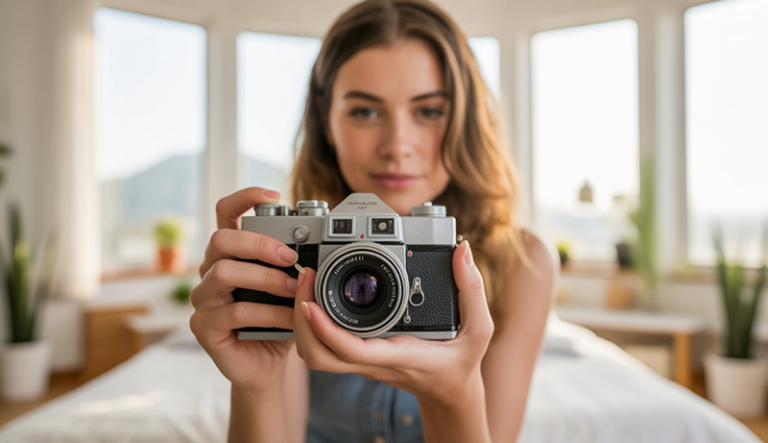
Compact and point-and-shoot cameras usually have smaller batteries due to their lightweight and portable design. On average, these cameras deliver around 200 to 400 shots per charge, depending on usage and features. Their battery life reflects their intended role as convenient, everyday cameras.
Because these cameras are designed for casual photography, they typically use smaller sensors and simpler processing systems. This lighter workload helps conserve power, even though many models rely entirely on LCD screens for framing and review.
Point-and-shoot cameras are often used intermittently rather than for long continuous sessions. Short bursts of shooting, minimal manual adjustments, and limited video recording help stretch battery life across a day of casual use, such as sightseeing or family gatherings.
For users who primarily capture quick photos rather than extended video, compact cameras usually meet expectations without frequent charging. However, heavy use of zoom, flash, or image review can noticeably shorten battery duration, making a spare battery or power bank a practical addition.
Action Cameras
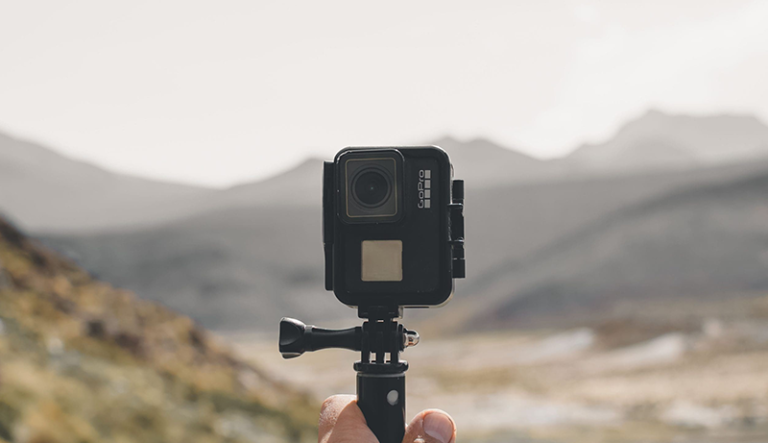
Action cameras are known for having relatively short battery life, primarily because they are designed for continuous video recording rather than still photography. On average, most action cameras last between 45 minutes to 2 hours on a single charge, depending on settings and conditions.
High video resolutions such as 4K or 5.3K place significant strain on the battery. Recording at higher frame rates increases processing demands, which accelerates power consumption. Continuous recording leaves little opportunity for power-saving pauses.
Image stabilization is another major factor in battery drain. Advanced electronic stabilization systems constantly analyze motion and adjust footage in real time, requiring both processing power and sensor activity throughout the recording session.
Action cameras are commonly used in environments where changing batteries is inconvenient, such as cycling, diving, or extreme sports. To manage this limitation, users often carry multiple batteries or rely on external power solutions. Battery life expectations should always be aligned with recording resolution, stabilization settings, and ambient temperature.
| Camera Type | Average Battery Life | Typical Shots / Recording Time | Key Battery Advantages | Common Limitations |
|---|---|---|---|---|
| DSLR Cameras | Long-lasting | 600–1,200 shots per charge | Optical viewfinder uses minimal power, larger batteries | Heavier body, limited video efficiency |
| Mirrorless Cameras | Moderate | 300–700 shots per charge | Advanced features, improving efficiency in newer models | Electronic viewfinder drains battery faster |
| Compact & Point-and-Shoot Cameras | Short to moderate | 200–400 shots per charge | Lightweight, efficient for casual use | Smaller batteries, heavy zoom/flash use drains power |
| Action Cameras | Short | 45 minutes–2 hours of video | Designed for continuous recording, portable | High-resolution video and stabilization drain battery quickly |
Factors That Affect Camera Battery Life
Camera battery life is influenced by more than just battery capacity or camera brand. Daily shooting habits, camera settings, environmental conditions, and even battery age all play a role in how long a charge actually lasts. Understanding these factors helps photographers manage power more efficiently and avoid unexpected shutdowns during important moments.
Shooting Habits and Usage Patterns
How you use your camera on a daily basis has a direct impact on battery life. Frequent shooting sessions, long periods of standby with the camera powered on, and repeated half-pressing of the shutter for autofocus all contribute to gradual power drain. Even when no photos are taken, the camera remains active and consumes energy.
Reviewing images frequently on the LCD screen is another major factor. Each time photos are checked, zoomed, or deleted, the display and processor stay active longer than necessary. Over time, this habit can significantly shorten battery performance, especially during long outings.
Burst shooting and continuous autofocus modes also increase battery usage. These features require rapid sensor readouts and constant processing, which place extra strain on the battery. While useful for action photography, they reduce overall shooting time per charge.
Video recording further accelerates power consumption. Continuous sensor operation, audio recording, and heat management demand consistent energy. A camera that lasts all day for still photos may struggle to last a few hours when recording video.
Camera Settings and Power-Hungry Features
Certain camera settings can quietly drain battery life faster than expected. Screen brightness is one of the most common contributors. Higher brightness levels improve visibility outdoors but require more power from the battery, especially during extended use.
Wireless features such as Wi-Fi, Bluetooth, and GPS can also reduce battery performance. Even when not actively transferring files, these features may run in the background, steadily consuming power. Leaving them enabled for long periods often results in noticeable battery loss.
Image stabilization, whether in-lens or in-body, adds another layer of energy demand. Stabilization systems constantly detect motion and make real-time adjustments, which increases processor workload. This is especially noticeable during handheld shooting and video recording.
High-resolution settings, fast frame rates, and advanced autofocus modes further impact battery life. While these features improve image quality and performance, they require more processing power. Balancing settings based on shooting needs can significantly extend battery endurance.
Environmental Conditions and Battery Health
Environmental factors play a critical role in how long a camera battery lasts. Cold temperatures are particularly challenging, as they reduce a battery’s chemical efficiency. In colder conditions, batteries may appear to drain faster or shut down unexpectedly despite showing remaining charge.
Hot environments can also affect battery performance. Excessive heat may cause the camera to limit performance or temporarily reduce battery efficiency to protect internal components. Over time, repeated exposure to heat can shorten overall battery lifespan.
Battery age is another important factor. As batteries go through repeated charge cycles, their maximum capacity gradually decreases. An older battery may still function normally but provide significantly less shooting time compared to when it was new.
Charging habits influence long-term battery health as well. Consistently draining batteries to zero or using incompatible chargers can accelerate wear. Proper storage, moderate charging cycles, and avoiding extreme temperatures help maintain battery performance and ensure more reliable shooting sessions.
How Long Does a Camera Battery Last for Video Recording?
Camera battery life during video recording is often much shorter than when shooting still photos. Video requires the camera sensor, processor, and screen to remain active continuously, which increases power consumption from the moment recording starts until it stops.
On average, most cameras can record video for about 45 minutes to 2 hours on a single battery charge. The exact duration depends on the camera type, battery capacity, and recording settings. Mirrorless and action cameras typically fall on the lower end of this range, while some DSLRs with larger batteries may last slightly longer.
Video resolution plays a major role in battery drain. Recording in higher resolutions such as 4K or higher demands more processing power than Full HD, causing batteries to deplete more quickly. Higher frame rates further increase energy usage by requiring the camera to process more data every second.
Additional features like image stabilization, continuous autofocus, and internal audio recording also reduce battery life. These functions operate constantly during video capture, adding to the overall power load. Using external microphones or monitoring audio levels can increase consumption even more.
Screen usage significantly affects recording time as well. Keeping the LCD screen at high brightness or using an electronic viewfinder throughout recording accelerates battery drain. External monitors can shift some power use away from the camera but add their own energy demands.
In real-world use, camera batteries rarely last for extended video sessions without interruption. For longer recordings, many videographers rely on spare batteries, battery grips, or external power sources to maintain uninterrupted shooting.
How Many Photos Can You Take on One Battery?
The number of photos you can take on a single camera battery charge depends on several factors, including camera type, battery capacity, and how the camera is used. While manufacturers provide official ratings, real-world results often vary based on shooting conditions and personal habits.
On average, DSLR cameras can capture between 600 and 1,200 photos per charge. Their optical viewfinders consume very little power, allowing the battery to last longer during extended shooting sessions. This makes DSLRs a reliable choice for photographers who prioritize still images over video.
Mirrorless cameras typically offer lower shot counts, usually ranging from 300 to 700 photos on one battery. Because these cameras rely on electronic viewfinders and LCD screens for composition, the sensor and processor remain active, which increases power consumption even when the camera is idle.
Compact and point-and-shoot cameras often fall between 200 and 400 shots per charge. Their smaller batteries limit capacity, but lighter processing demands and casual usage patterns help balance overall performance for everyday photography.
Shooting style also plays an important role in how many photos you can take. Frequent image review, burst shooting, autofocus tracking, and flash use all reduce battery life. Cold weather and older batteries can further lower shot counts.
In practical terms, the number of photos per battery should be viewed as a flexible range rather than a fixed limit. Carrying spare batteries or adjusting settings can significantly extend shooting time and reduce interruptions.
Tips to Make Your Camera Battery Last Longer
Making your camera battery last longer often comes down to small adjustments in how you use and manage your gear. Simple habits and setting changes can significantly extend shooting time, especially during long sessions or when charging options are limited.
One of the most effective tips is to limit screen usage. Avoid checking photos after every shot and reduce LCD or viewfinder brightness when possible. Using the optical viewfinder on DSLR cameras instead of live view can also help conserve power.
Turning off wireless features when they’re not needed makes a noticeable difference. Wi-Fi, Bluetooth, and GPS can quietly drain battery life even when no data is being transferred. Disabling these features until they are actively required helps preserve charge throughout the day.
Using power-saving settings built into your camera can further extend battery performance. Features like automatic sleep mode, shorter screen timeout, and lower refresh rates reduce unnecessary energy use during idle moments between shots.
Environmental awareness is another key factor. In cold conditions, keeping spare batteries warm in a pocket can prevent sudden power drops. Avoid leaving your camera exposed to extreme temperatures, as this can reduce battery efficiency.
For longer shoots, carrying spare batteries or using a battery grip provides peace of mind. External power banks and USB charging options are also useful for travel and video work, ensuring you can keep shooting without worrying about running out of power.
Should You Buy Extra or Third-Party Batteries?
Deciding whether to buy extra or third-party batteries is an important choice for many photographers. Having backup batteries can mean the difference between capturing every moment and running out of power at a critical time. However, there are pros and cons to consider before investing in additional or off-brand options.
Extra batteries from the original camera manufacturer are usually the most reliable choice. They are specifically designed to match your camera’s power requirements and firmware, reducing the risk of compatibility issues. OEM (original equipment manufacturer) batteries typically offer consistent performance and predictable shot counts.
Third-party batteries are often much cheaper than OEM options, making them appealing for photographers on a budget. Many reputable third-party brands produce batteries that perform well in everyday use. Before purchasing, reading reviews and choosing products from trusted manufacturers can help ensure quality and safety.
One concern with third-party batteries is inconsistent performance. Some may not hold charge as long, or they might degrade faster after repeated use. Quality control can vary between brands, so doing homework beforehand is crucial. Poorly made batteries may also cause camera errors or fail to communicate accurately with the camera’s power system.
Safety is another factor. Low-quality batteries can overheat or swell, potentially damaging your camera. Ensuring that third-party options have built-in protection circuits and good user feedback reduces this risk. Always follow manufacturer recommendations for charging and storage.
In practical terms, combining OEM batteries with one or two reliable third-party spares offers a balance between cost and performance. This strategy gives you the security of genuine batteries for important shoots, while extra third-party options serve as affordable backups when needed.
Frequently Asked Questions (FAQs)
How Long Does a Camera Battery Usually Last on Average?
On average, a camera battery can last anywhere from a few hours to a full day, depending on how you use your camera. If you mainly take photos, you may get between 300 to 1,200 shots on a single charge. Video recording, frequent screen use, and wireless features can shorten this time. Your camera type, battery capacity, and shooting habits all directly affect how long the battery lasts in real-world use.
Does Camera Battery Life Differ Between Photos and Video?
Yes, camera battery life is significantly shorter when recording video compared to taking photos. When you record video, the sensor, processor, screen, and stabilization systems run continuously. You may only get 45 minutes to 2 hours of video on one battery, especially when shooting in 4K or higher resolutions. Photos use power in short bursts, which is why batteries last much longer for still photography.
How Many Photos Can You Take on One Camera Battery?
The number of photos you can take on one battery depends on your camera type and settings. DSLRs often allow 600 to 1,200 shots per charge, while mirrorless cameras usually range from 300 to 700 shots. If you review images frequently, use burst mode, flash, or autofocus tracking, your shot count will be lower. Cold weather and older batteries can also reduce the total number of photos you can take.
What Factors Reduce Camera Battery Life the Most?
Screen usage is one of the biggest battery drainers. Keeping the LCD or electronic viewfinder on for long periods uses a lot of power. Video recording, image stabilization, wireless connections like Wi-Fi or Bluetooth, and high-resolution settings also reduce battery life quickly. Your shooting style plays a major role, so adjusting settings can noticeably extend how long your battery lasts.
Can You Make Your Camera Battery Last Longer?
You can extend battery life by reducing screen brightness, limiting image review, and turning off wireless features when they are not needed. Using power-saving modes and allowing your camera to sleep between shots helps conserve energy. In cold conditions, keeping spare batteries warm can prevent sudden power loss. Small habit changes can make a big difference during long shoots.
Should You Carry Extra Batteries for Everyday Shooting?
Carrying extra batteries is a smart idea, especially if you shoot for long periods or record video. Even casual photographers benefit from having a backup, since batteries can drain faster than expected. Extra batteries ensure you don’t miss important moments and give you peace of mind when charging options are limited.
Conclusion
Understanding camera battery performance helps you plan your shoots with confidence and avoid unexpected interruptions. Battery life is influenced by camera type, usage habits, settings, and environmental conditions, which means real-world performance often differs from manufacturer ratings.
Whether you primarily take photos or record video, knowing what affects power consumption allows you to make smarter choices. Carrying spare batteries, adjusting screen usage, and managing power-hungry features can greatly extend your shooting time and keep your focus on capturing moments.
By setting realistic expectations and preparing ahead, you can get the most out of every charge. In the end, How Long Does a Camera Battery Usually Last depends on how you use your camera and how well you manage its power, making awareness the key to consistent and stress-free shooting.