

Does a Camera Ticket Go on Your Driving Record?
If you receive a camera ticket, it typically won’t go on your driving record because these tickets are classified as civil penalties rather than moving violations. You won’t accumulate points, and insurance rates usually stay unaffected, as these violations aren’t reported to the DMV like police-issued tickets.
However, ignoring the ticket can lead to other legal complications affecting your driving privileges. Understanding the nuances of camera tickets and their consequences can help you better manage any potential issues.
Key Takeaways
- Camera tickets are civil penalties and generally do not go on your driving record or affect your DMV record.
- These tickets do not generate points on your driving history or impact insurance premiums.
- Paying a camera ticket does not alter your driving record or notify insurance companies.
- Contesting a camera ticket in court will not result in points or affect your driving history.
- Ignoring camera tickets can lead to indirect consequences but does not directly impact your driving record.
What Is a Camera Ticket and How Does It Work
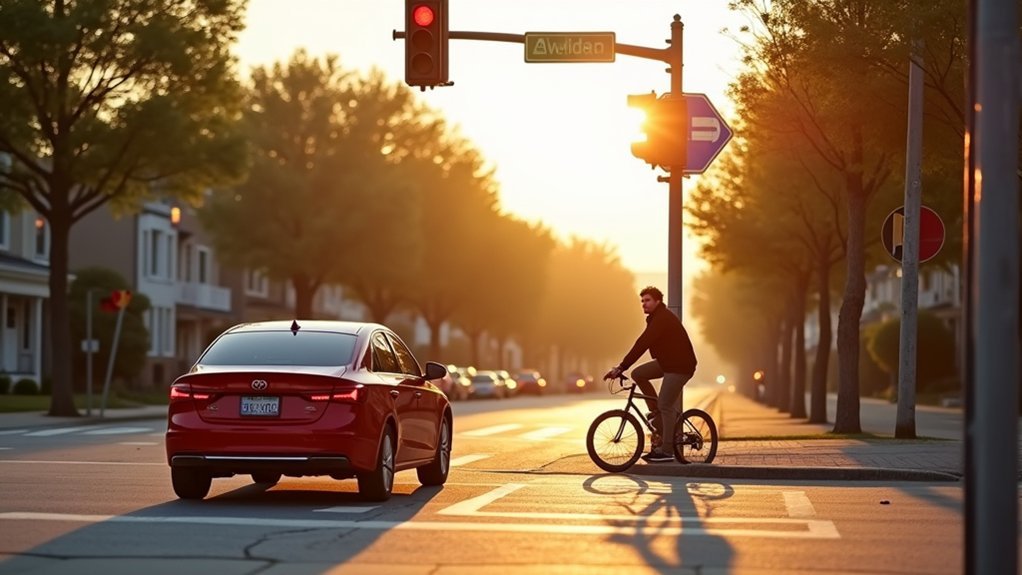
Although you mightn’t see a police officer at the scene, a camera ticket is issued when automated cameras capture traffic violations such as running red lights or speeding.
These camera tickets rely on photographic evidence, including images of the vehicle and its license plate, to identify the registered owner.
Before issuance, a law enforcement officer reviews the footage to verify the violation.
Camera tickets differ from traditional citations because they’re typically treated as civil penalties, not criminal offenses.
Consequently, they don’t add points to your driving record nor directly impact insurance rates.
However, the fines vary by jurisdiction and are generally lower than those for police-issued traffic violations.
Understanding this process clarifies how camera tickets function within the broader traffic enforcement framework.
Do Camera Tickets Affect Your Driving Record?
How do camera tickets influence your driving record? Generally, camera tickets issued for violations like speeding or running red lights don’t affect your driving record.
These citations are civil penalties, not criminal offenses, and don’t result in points being added to the vehicle’s registered owner’s record. Unlike police-issued tickets, camera tickets typically aren’t reported to the Department of Motor Vehicles and consequently don’t impact your driving privileges or insurance rates.
Camera-issued citations are civil penalties that do not add points or affect your driving record or insurance.
While local laws vary, in jurisdictions such as Colorado, automated camera violations remain separate from traditional moving violations and don’t appear on your official driving history.
As the vehicle’s registered owner, addressing camera tickets promptly is essential. But you can rest assured they usually won’t alter your driving record.
How Paying a Camera Ticket Impacts Your Record and Insurance

Paying a camera ticket doesn’t alter your driving record or insurance rates because these violations are classified as civil penalties rather than moving violations.
Camera tickets, such as those issued for red light or speeding infractions, don’t generate points on your driving record, preserving its clean status.
Additionally, insurance companies typically don’t receive notifications regarding these civil citations, ensuring your insurance rates remain unaffected.
Jurisdictions treat automated camera tickets distinctly from traditional moving violations, resulting in no impact on driving privileges or insurance assessments.
However, you should verify local laws, as regulations may vary regarding liability and reporting.
To conclude, settling a camera ticket doesn’t compromise your driving record nor influence your insurance rates under prevailing legal frameworks.
Contesting a Camera Ticket and Driving Record Effects
When you choose to contest a camera ticket, you retain the right to challenge the alleged violation in court without risking points on your driving record. Contesting a camera ticket is a procedural right that allows you to dispute the accuracy or validity of the citation.
Importantly, whether you succeed or fail in contesting a camera ticket, the outcome doesn’t impose points or traditional moving violation consequences on your driving record. Camera tickets are classified as civil penalties, distinct from police-issued tickets that may affect your record and insurance.
As a result, contesting a camera ticket offers a legal avenue to defend yourself without jeopardizing your driving record status or insurance premiums. This reinforces that these violations focus on compliance rather than punitive measures affecting your driving history.
How Camera Tickets Differ From Police-Issued Tickets

While contesting a camera ticket protects your driving record from points and insurance impacts, it’s important to recognize the fundamental distinctions between camera-issued citations and those issued by police officers.
Camera tickets, typically civil penalties for red light or speeding violations, differ greatly from police-issued tickets, which are often criminal or moving violations.
Unlike police-issued tickets, camera tickets generally don’t result in points on your driving record or increased insurance rates. The registered vehicle owner holds responsibility for camera tickets, regardless of the driver, and fines are usually capped at lower amounts, such as $50 for red light violations.
Furthermore, many states don’t report camera tickets to the DMV, ensuring they remain separate from your official driving record, unlike police-issued tickets that directly affect it.
How Camera Ticket Reporting to the DMV Varies by State
Although camera tickets are often treated as civil penalties, how they’re reported to the DMV varies considerably by state. In many jurisdictions, these tickets don’t affect your driving record, as they aren’t classified as moving violations.
For example, Colorado mandates payment of camera citations but typically excludes them from the driving record. Conversely, certain states may equate camera tickets to conventional traffic violations, resulting in DMV reporting and possible points if contested and upheld.
Importantly, the responsibility for a camera ticket generally rests with the owner of the vehicle, irrespective of the driver. However, DMV involvement usually occurs only if the ticket escalates to a moving violation through contestation.
You must familiarize yourself with your state’s specific regulations to understand how camera tickets impact your driving record.
Consequences of Ignoring a Camera Ticket
If you ignore a camera ticket, you could end up with points on your driving record.
This might cause your insurance premiums to go up or even lead to your license being suspended. On top of that, paying late usually means you’ll have to pay extra fees, which can really add up.
And if the ticket remains unpaid, it could be sent to collections or even result in legal action, like getting a court summons or facing other penalties.
Impact On Driving Record
Because camera tickets are classified as civil penalties, they generally don’t add points to your driving record. However, ignoring these tickets can indirectly affect your driving privileges if you fail to pay the fine. Here’s what you need to know:
- Camera tickets themselves won’t impact your driving record or insurance rates.
- Failure to pay the fine may lead to escalated penalties, including registration suspension in some states.
- Unresolved fines can result in collections actions or legal proceedings, which could indirectly complicate your driving status.
To avoid unintended consequences, promptly address camera tickets by paying the fine. Staying current guarantees your driving record remains unaffected and you sidestep additional legal or financial burdens related to unresolved penalties.
Late Payment Consequences
When you ignore a camera ticket, you expose yourself to escalating penalties and fees that increase the total amount owed. Non-payment of red light camera tickets triggers a series of legal consequences, including additional fines and potential holds on your vehicle registration renewal.
Failure to settle the ticket within the prescribed timeline may result in the account being handed over to collections, adversely affecting your credit score.
Continued non-payment can escalate to legal actions, such as mandatory court appearances or even an arrest warrant for the registered vehicle owner.
It’s imperative you seek legal advice promptly to understand your rights and obligations. Addressing the ticket swiftly prevents compounding liabilities and protects you from more severe enforcement measures under the law.
Collection And Legal Action
Ignoring a camera ticket sets off a chain of escalating consequences that can severely affect your financial and legal standing. When you disregard these notices, you risk:
- Accumulating additional fees and having the debt sent to collections, which may damage your credit rating.
- Facing legal action by the issuing authority, including court appearances and judgments that increase your financial burden.
- Losing your driving privileges through suspension, as many jurisdictions enforce this penalty for unpaid camera tickets.
Promptly addressing camera tickets helps you avoid these outcomes.
Failure to act not only jeopardizes your driving privileges but also exposes you to complex legal ramifications.
Stay proactive to maintain compliance and protect your record from severe consequences related to ignored camera tickets and ensuing legal action.
When Camera Tickets Can Affect Your Driving Privileges
Although camera tickets typically don’t affect your driving privileges, certain circumstances can lead to consequences beyond fines.
Camera tickets are generally classified as civil penalties and don’t add points to your driving record or count as moving traffic violations.
However, if you fail to contest or pay these tickets, jurisdictions may escalate enforcement through legal actions such as license suspension or vehicle registration holds.
Ignoring or not paying camera tickets can lead to license suspension or vehicle registration holds.
Furthermore, repeated offenses captured by camera tickets, while not directly impacting your driving record, can trigger administrative penalties depending on local laws.
It’s essential you understand your state’s specific regulations, as they vary widely.
Ultimately, while camera tickets alone rarely affect your driving privileges, noncompliance with payment or legal procedures can result in serious consequences that do.
Frequently Asked Questions
Can I Request a Trial by Jury for a Camera Ticket?
You generally can’t request a trial by jury for a camera ticket.
These citations are typically handled as civil infractions, not criminal offenses, so courts usually assign a judge to hear your case.
Instead, you can request a mitigation or contested hearing before a judge, following your jurisdiction’s specific procedures.
Make sure to consult the issuing authority’s guidelines promptly to guarantee you meet all deadlines and procedural requirements.
How Are Camera Ticket Fines Typically Calculated?
Camera ticket fines are typically calculated based on the severity of the violation and local municipal regulations.
You’ll find fines usually range from $50 to $200, with some states imposing maximum limits, like Virginia’s $50 cap for red light camera tickets.
If you fail to pay on time, additional fees may apply, increasing the total amount due.
Municipalities may also consider factors such as repeat offenses or speed detected for speeding violations.
Are Camera Tickets Issued for Parking Violations?
You might think camera tickets only catch speeding, but yes, they’re definitely issued for parking violations too.
Automated systems monitor parking zones and send you the ticket with photographic proof.
These tickets are civil penalties, not moving violations, so they don’t affect your driving record.
However, since rules vary by area, you should check your local laws to understand exactly how these camera-issued parking tickets are handled where you live.
Do Rental Car Companies Notify Renters About Camera Tickets?
Yes, rental car companies typically notify you about camera tickets issued during your rental period.
Since they’re the registered owner, they receive the violation notice first and then charge your credit card for the fine plus administrative fees.
Your rental agreement usually holds you responsible for these violations.
If you don’t pay, the company may impose additional penalties.
Some companies also provide instructions if you wish to contest the ticket.
Can I Receive a Camera Ticket if My Car Is Not Registered in the State?
Yes, you can receive a camera ticket even if your car isn’t registered in that state. The ticket is issued to the vehicle’s registered owner based on the license plate information, regardless of state lines.
Many jurisdictions share registration data through interstate agreements, ensuring you’re held accountable.
You must comply with the ticket to avoid penalties, as state laws typically empower enforcement across state boundaries.
Always review the specific jurisdiction’s regulations.
Conclusion
So, does a camera ticket go on your driving record? It depends on your state’s laws and whether the ticket is treated like a moving violation.
Paying a camera ticket might not always impact your insurance or record, but ignoring it can lead to serious consequences, including license suspension.
You must understand your state’s specific rules and act promptly. After all, is it worth risking your driving privileges over a ticket you can contest or resolve?