What is Active D Lighting
Lighting has moved far beyond simple switches and static brightness. Modern environments demand illumination that adapts, responds, and enhances both comfort and efficiency. From homes to commercial spaces, intelligent lighting solutions are shaping how people interact with their surroundings every day.
As technology evolves, lighting systems are becoming more aware of human presence, movement, and environmental conditions. This shift has led to smarter solutions that balance visibility, energy savings, and visual comfort without requiring constant manual control. Such systems feel natural because they work quietly in the background.
One concept gaining attention in this space is What is Active D Lighting, a term associated with dynamic lighting behavior that responds in real time. Rather than remaining fixed, this lighting approach adjusts output based on usage patterns, daylight availability, and spatial needs.
Understanding What is Active D Lighting helps clarify why it is increasingly used in offices, retail spaces, and modern homes. It supports productivity, reduces energy waste, and creates environments that feel more intuitive and human-centered.
At its core, What is Active D Lighting represents a shift toward lighting that actively supports how people live and work, rather than simply illuminating a room.
What is Active D Lighting?
Active D Lighting refers to an advanced lighting approach designed to adjust illumination dynamically based on real-time conditions. Unlike traditional lighting systems that operate at fixed levels, this method responds to factors such as movement, occupancy, and ambient light. The result is a more intelligent lighting environment that aligns with how spaces are actually used throughout the day.
At its foundation, What is Active D Lighting revolves around responsiveness. Sensors and control systems work together to modify brightness and distribution automatically. When a space becomes occupied, lighting levels increase to support visibility and comfort. When activity decreases or natural daylight becomes sufficient, the system reduces output to conserve energy without compromising functionality.
This adaptive behavior makes Active D Lighting especially effective in workplaces and commercial buildings. Offices benefit from consistent visual comfort that supports focus and reduces eye strain, while retail spaces can highlight products more effectively based on customer movement. The lighting feels seamless because adjustments happen gradually and without manual intervention.
Energy efficiency is another core advantage. By delivering light only where and when it is needed, Active D Lighting significantly reduces unnecessary power consumption. This not only lowers operational costs but also supports sustainability goals, making it an attractive option for modern, eco-conscious projects.
What is Active D Lighting also enhances the overall user experience. Spaces feel more natural and intuitive because lighting adapts to human behavior rather than forcing people to adapt to static conditions. Over time, this creates environments that are more comfortable, productive, and visually balanced.
As smart building technologies continue to evolve, Active D Lighting stands out as a practical step toward more responsive and human-centered illumination systems.
What Is Active D-Lighting Used For?
Active D-Lighting is primarily used to create lighting environments that automatically adapt to how a space is occupied and used. Its main purpose is to deliver the right amount of light at the right time without relying on constant manual adjustments. This makes it especially valuable in settings where lighting needs change frequently throughout the day.
In office environments, Active D-Lighting supports productivity and visual comfort. Workspaces experience varying levels of activity, screen use, and daylight exposure. By responding to these changes, the system maintains balanced illumination that reduces glare and eye strain while helping employees stay focused and comfortable during long working hours.
Commercial and retail spaces also make strong use of Active D-Lighting. In these environments, lighting plays a key role in guiding attention and enhancing the customer experience. The system can brighten high-traffic areas, subtly dim unused zones, and adapt displays based on movement, creating a more engaging and energy-efficient space.
Educational and healthcare facilities benefit from Active D-Lighting as well. Classrooms gain consistent lighting that supports learning throughout the day, while hospitals and clinics use adaptive lighting to promote calm, clarity, and safe navigation. The lighting adjusts quietly, supporting both staff efficiency and user well-being.
Active D-Lighting is also used to reduce energy consumption and operational costs. By minimizing unnecessary lighting and responding to real-time conditions, it helps buildings operate more sustainably. Overall, it is used wherever smart, responsive, and human-centered lighting is needed to improve both performance and comfort.
How Does Active D-Lighting Work?
Active D-Lighting works through a combination of intelligent controls, sensors, and adaptive lighting technology that respond to real-time conditions within a space. Instead of operating at a fixed brightness, the system continuously evaluates how an area is being used and adjusts illumination accordingly to maintain comfort and efficiency.
At the core of the system are sensors that detect occupancy, movement, and ambient light levels. These sensors gather data about whether a space is occupied and how much natural daylight is available. Based on this information, the lighting system increases or decreases output to ensure the environment remains properly lit without wasting energy.
Control units play a key role in processing sensor data. They interpret inputs and determine the most appropriate lighting response for each zone. Adjustments happen smoothly, preventing sudden changes that could distract occupants. This creates a consistent and visually comfortable experience throughout the day.
Active D-Lighting also integrates with daylight harvesting techniques. When sunlight enters a room, the system automatically reduces artificial lighting to complement natural light. This balance maintains uniform brightness while significantly lowering power consumption.
Zoning is another important function of how Active D-Lighting works. Different areas within the same space can respond independently based on activity levels. High-use zones receive more light, while inactive areas are dimmed or switched off entirely.
Overall, Active D-Lighting works by blending automation and responsiveness to create lighting that feels natural, efficient, and aligned with human behavior.
Active D-Lighting vs HDR
Active D-Lighting and HDR are both used to manage high-contrast scenes, but they approach the problem in very different ways. One focuses on intelligent in-camera processing, while the other relies on combining multiple images. Understanding how each works helps photographers choose the right tool for different shooting conditions, creative goals, and time constraints without compromising image quality.
Key Differences
One of the most important differences between Active D-Lighting and HDR is how exposure is handled. Active D-Lighting works with a single exposure, using intelligent processing to protect highlights while lifting shadow detail. HDR, on the other hand, combines multiple exposures of the same scene to capture a wider dynamic range. This means HDR depends heavily on precise alignment and consistent framing.
Speed and convenience also separate the two techniques. Active D-Lighting operates instantly at the moment of capture, making it ideal for fast-paced shooting environments. HDR requires shooting multiple frames and often additional post-processing, which adds time both during shooting and editing. This extra workflow can slow down photographers working under tight deadlines.
The visual result is another clear distinction. Active D-Lighting aims for a natural, balanced look that closely resembles what the human eye perceives. Shadows are gently lifted, and highlights are preserved without drawing attention to the processing. HDR often produces a more dramatic effect, especially when tone mapping is aggressive, which can sometimes feel stylized or artificial.
Lighting consistency is another factor. Because Active D-Lighting relies on a single frame, it avoids issues like ghosting or motion blur caused by subject movement. HDR can struggle in scenes with motion, as even small shifts between exposures may result in artifacts that are difficult to correct later.
These differences make Active D-Lighting a practical choice for photographers who prioritize speed, realism, and reliability in changing environments.
When to Use Active D-Lighting Instead of HDR
Active D-Lighting is especially useful when photographing moving subjects. Sports, wildlife, street photography, and events often involve constant motion, making multiple exposures impractical. Since Active D-Lighting works with a single shot, it captures dynamic scenes cleanly without introducing ghosting or alignment issues common in HDR imaging.
Handheld shooting is another scenario where Active D-Lighting has a clear advantage. HDR typically benefits from a tripod to keep frames perfectly aligned, but this is not always possible in real-world situations. Active D-Lighting allows photographers to shoot handheld while still maintaining balanced exposure, making it ideal for travel, documentary, and spontaneous photography.
Quick turnaround photography strongly favors Active D-Lighting. Photojournalists, event photographers, and content creators often need images ready immediately with minimal editing. Because Active D-Lighting applies its adjustments in-camera, images require little to no additional post-processing, saving valuable time without sacrificing quality.
Active D-Lighting also excels in situations with unpredictable lighting. Scenes with rapidly changing light conditions, such as outdoor events or mixed indoor lighting, benefit from real-time exposure optimization. HDR requires consistent lighting across exposures, which can be difficult to maintain in these environments.
Additionally, photographers aiming for a natural, realistic appearance often prefer Active D-Lighting. It enhances shadow detail and controls highlights subtly, preserving the authenticity of the scene. This makes it well-suited for portraits, lifestyle photography, and documentary work where realism is essential.
In these scenarios, Active D-Lighting provides a reliable balance between dynamic range control, speed, and visual authenticity without the complexity of HDR workflows.
Active D-Lighting Settings Explained
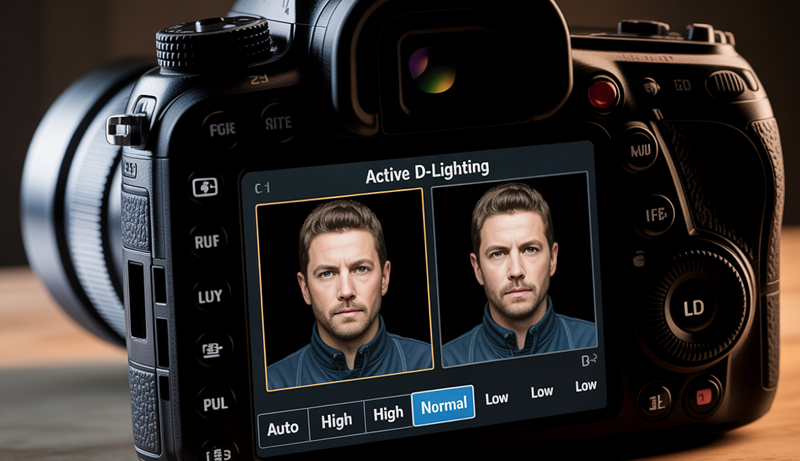
Active D-Lighting settings control how aggressively a camera manages contrast between highlights and shadows in a scene. Each option is designed for different lighting conditions and creative needs, ranging from no adjustment at all to advanced automatic processing. Understanding these settings helps photographers choose the right balance between image realism, shadow detail, and overall exposure control.
Off
When Active D-Lighting is set to Off, the camera performs no dynamic range adjustment at the time of capture. Images are recorded using standard exposure settings, with highlights and shadows rendered exactly as the sensor captures them. This setting provides the most neutral and predictable results, making it ideal for photographers who prefer full manual control.
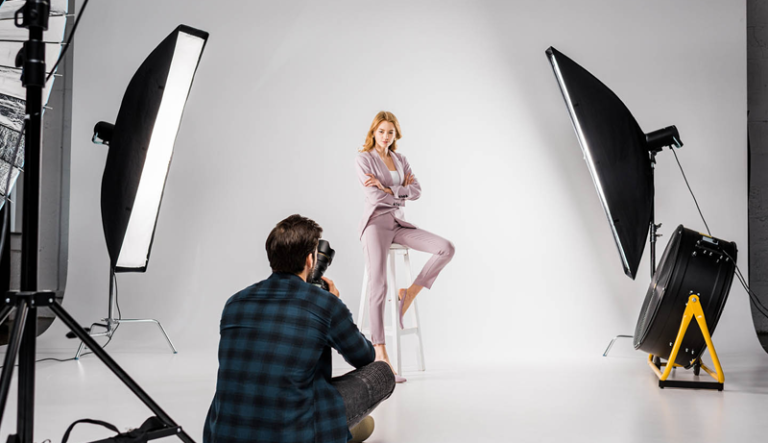
Using Off is often beneficial in controlled lighting environments such as studios, where contrast is carefully managed with artificial lights and reflectors. Since lighting ratios are already optimized, additional shadow lifting or highlight protection is unnecessary and may interfere with creative intent. This setting also works well when shooting scenes with low contrast, such as overcast landscapes or evenly lit interiors.
Another advantage of turning Active D-Lighting off is maximum image consistency. Because no processing is applied, consecutive images maintain identical tonal characteristics. This is especially useful for photographers shooting product photography or series-based work that requires uniform lighting and exposure across multiple frames.
Off is also preferred when shooting in RAW for extensive post-processing. Many photographers choose to handle dynamic range adjustments manually in editing software, where they have finer control over shadows, highlights, and noise. In these cases, disabling Active D-Lighting ensures the cleanest and least-processed starting file.
While this setting offers creative freedom, it requires careful exposure decisions. Highlights can clip and shadows can lose detail if not managed properly, placing more responsibility on the photographer’s technique.
Low
The Low Active D-Lighting setting applies mild shadow recovery while keeping highlights largely untouched. It is designed to subtly enhance dynamic range without making the effect noticeable. This setting preserves a natural look, making it especially suitable for portraits and scenes where realism is a priority.
In portrait photography, Low works well because it gently lifts shadowed areas of the face without flattening contrast or altering skin tones. Facial features retain depth, and lighting remains soft and flattering. This helps avoid the overly processed appearance that stronger settings can sometimes introduce.
Low is also effective in outdoor photography under moderate contrast conditions, such as early morning or late afternoon light. Shadows are opened slightly to reveal detail, while highlights remain crisp and well-defined. The result is an image that closely resembles what the eye naturally perceives.
Another benefit of the Low setting is minimal impact on image noise. Because shadow lifting is modest, darker areas retain cleaner tonal transitions. This makes it a good choice for higher ISO shooting, where aggressive shadow recovery could amplify noise.
Low is often chosen by photographers who want a safety net rather than a dramatic adjustment. It provides just enough correction to handle mild contrast while maintaining control over the final look, making it a reliable option for everyday portrait and lifestyle photography.
Normal
The Normal setting is the most balanced and commonly used Active D-Lighting option. It offers a noticeable but controlled adjustment to both shadows and highlights, making it suitable for a wide range of everyday shooting situations. This setting is designed to handle typical contrast levels encountered in daily photography.
Normal works well in mixed lighting environments, such as indoor scenes with windows or outdoor locations with partial shade. It lifts shadow detail while protecting bright areas from overexposure, creating a more evenly balanced image straight out of the camera.
For general photography, Normal provides a dependable compromise between realism and enhancement. Landscapes, street scenes, and travel photography benefit from improved tonal detail without appearing overly processed. Colors remain natural, and contrast is preserved while still revealing hidden details in darker regions.
This setting is also useful for photographers who rely on JPEG output. Normal applies dynamic range correction in-camera, reducing the need for post-processing while delivering images that are ready to share or print. It simplifies workflow without sacrificing image quality.
While Normal is versatile, it can slightly reduce overall contrast compared to having Active D-Lighting turned off. However, this tradeoff is often acceptable for photographers who value balanced exposure and convenience across a wide variety of lighting conditions.
High
The High Active D-Lighting setting applies strong shadow lifting and aggressive highlight protection. It is intended for scenes with significant contrast, such as bright daylight with deep shadows. This setting prioritizes detail retention across the entire tonal range.
High is particularly useful in harsh lighting conditions, such as midday sun, where shadows can be extremely dark and highlights easily clip. By lifting shadow areas significantly, it reveals details that would otherwise be lost, making complex scenes more readable.
However, this stronger adjustment comes with tradeoffs. Shadow lifting at high levels increases the risk of visible noise, especially in darker areas of the image. This is more noticeable at higher ISO values, where sensor noise is already present.
High can also flatten contrast if used in scenes that do not require aggressive correction. Images may appear less punchy or slightly washed out if lighting conditions are relatively balanced. For this reason, it is best reserved for genuinely high-contrast situations.
Photographers using High should be mindful of subject matter and exposure settings. While it can rescue challenging lighting, it may not be ideal for portraits or low-light scenes where noise control and natural contrast are more important.
Extra High / Auto (Model-Dependent)
Extra High and Auto Active D-Lighting settings are available on certain camera models and represent the most advanced level of dynamic range control. Extra High applies maximum shadow recovery, while Auto allows the camera to analyze scene contrast and choose the appropriate level automatically.
Extra High is designed for extreme contrast scenarios, such as shooting directly into sunlight or scenes with bright skies and dark foregrounds. It aggressively lifts shadows to preserve detail, often producing images that would be difficult to achieve without post-processing.
The Auto setting offers convenience by adapting to different scenes without manual input. The camera evaluates brightness distribution, contrast levels, and lighting patterns, then applies an appropriate Active D-Lighting strength. This is useful for photographers who move quickly between environments.
While Auto provides flexibility, results can vary depending on scene complexity. In some cases, the camera may apply stronger correction than desired, leading to increased noise or reduced contrast. Understanding how a specific camera model handles Auto is important.
Both Extra High and Auto are best suited for challenging lighting and fast-paced shooting. They offer powerful tools for preserving detail but require awareness of their impact on image texture, noise, and overall tonal balance.
Does Active D-Lighting Affect RAW Files?
Active D-Lighting does affect how RAW files are handled, but not in the same way it impacts JPEG images. When shooting in RAW, the camera does not permanently apply dynamic range adjustments to the image data itself. Instead, Active D-Lighting records metadata that describes how the camera would have processed highlights and shadows.
This metadata is embedded in the RAW file and is primarily used by compatible software. When the RAW file is opened in certain editing programs, especially manufacturer-specific software, the Active D-Lighting setting may be automatically applied as a starting point. This can influence the initial appearance of shadows and highlights without altering the underlying data.
In third-party editing software, the effect may be partially applied or ignored altogether. Some programs read the metadata and approximate the adjustment, while others display the RAW file without any Active D-Lighting influence. This gives photographers flexibility to decide how much dynamic range correction they want during post-processing.
Active D-Lighting can still affect exposure decisions at the time of capture. The camera may slightly underexpose to protect highlights when the feature is enabled. This exposure behavior is baked into the RAW file, which means shadows may appear darker before processing but retain more highlight detail.
For photographers who edit extensively, Active D-Lighting acts more as a guide than a limitation. It preserves flexibility while offering an optimized starting point, allowing full control over dynamic range adjustments during editing.
When Should You Turn Active D-Lighting On or Off?
Knowing when to enable or disable Active D-Lighting can make a noticeable difference in image quality. This feature is designed to manage contrast, but its effectiveness depends heavily on lighting conditions and shooting intent. Using it strategically helps preserve detail where it matters most while avoiding unnecessary noise or tonal compromises in situations where full manual control is preferred.
Turn It On When
Active D-Lighting is most useful when shooting outdoors in bright sunlight, where scenes often contain extreme contrast between highlights and shadows. Midday sun can create harsh lighting, causing skies to blow out while foreground elements fall into deep shadow. Enabling Active D-Lighting helps retain cloud detail and lift shadowed areas without requiring complex exposure techniques.
Landscapes with visible sky detail benefit greatly from having Active D-Lighting turned on. Mountains, buildings, or trees beneath a bright sky can easily lose detail if exposed incorrectly. Active D-Lighting protects highlight information in the sky while gently opening darker areas, resulting in a more balanced and visually complete image straight from the camera.
Photographing backlit subjects is another ideal scenario. When a light source is behind the subject, faces and foreground objects often appear too dark. Active D-Lighting helps recover shadow detail without completely flattening contrast, allowing the subject to remain visible while maintaining the atmosphere created by the backlight.
This setting is also valuable when shooting quickly or in changing outdoor conditions. When there is limited time to adjust exposure manually, Active D-Lighting provides an added layer of insurance by managing tonal extremes automatically. It supports consistent results while preserving a natural look across varied lighting situations.
Turn It Off When
Active D-Lighting should generally be turned off when shooting low-light scenes. In dim environments, aggressive shadow lifting can introduce visible noise and reduce image clarity. Since low-light photography already pushes sensor limits, disabling Active D-Lighting helps preserve cleaner shadows and more accurate contrast.
Photographers planning heavy post-processing often prefer turning Active D-Lighting off. When editing RAW files extensively, having a neutral, unprocessed starting point allows greater control over how shadows and highlights are handled. This avoids any automated exposure bias and ensures adjustments are made intentionally during editing.
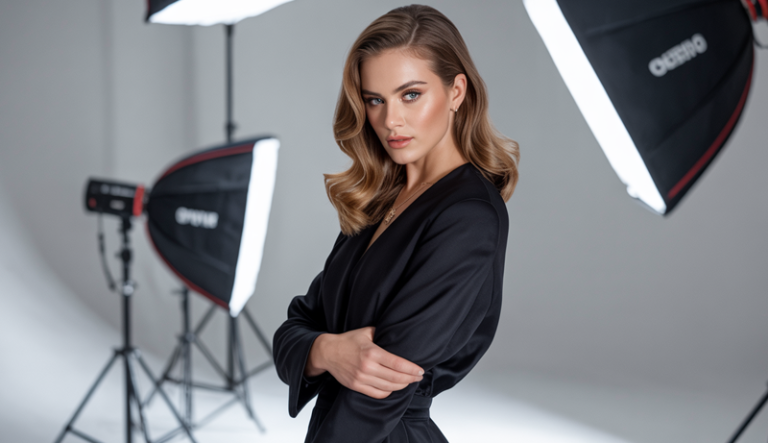
Using flash or studio lighting is another situation where Active D-Lighting is unnecessary. In controlled lighting setups, contrast is carefully managed through light placement, modifiers, and exposure settings. Additional in-camera dynamic range adjustment can interfere with the desired lighting ratios and alter the intended look.
Turning Active D-Lighting off also improves consistency across a series of images. For product photography, portraits, or commercial shoots where uniform lighting is critical, disabling automatic adjustments ensures each frame matches the next.
In these scenarios, manual exposure control and post-processing provide more predictable and refined results than automated dynamic range correction.
Frequently Asked Questions (FAQs)
What Is Active D Lighting?
Active D Lighting is a camera feature designed to help you capture more detail in high-contrast scenes. It works by protecting highlights while lifting shadows, allowing you to preserve information in both bright and dark areas of an image. When you enable it, the camera analyzes the scene and adjusts exposure and tone processing to produce a more balanced, natural-looking photo straight out of the camera.
How Does Active D Lighting Work In Real-World Photography?
When you use Active D Lighting, your camera evaluates contrast levels before and during image capture. It often slightly underexposes the image to protect highlights, then selectively brightens shadow areas through in-camera processing. You benefit from improved detail in difficult lighting situations such as bright outdoor scenes, backlit subjects, or landscapes with dramatic skies.
Does Active D Lighting Affect Image Quality?
Active D Lighting can improve overall image balance, but its effect depends on the situation. In well-lit or high-contrast environments, you gain better shadow detail without blown highlights. In low-light scenes, however, strong shadow lifting may introduce noise. Understanding when to use it helps you maintain optimal image quality.
Should You Use Active D Lighting When Shooting RAW?
When you shoot in RAW, Active D Lighting does not permanently change the image data. Instead, it embeds metadata that some editing software can read as a starting point. You still retain full control in post-processing, making it a useful guide rather than a limitation when editing your photos.
Is Active D Lighting Better Than HDR?
Active D Lighting and HDR serve similar purposes but work differently. Active D Lighting uses a single exposure, making it ideal for moving subjects, handheld shooting, and fast workflows. HDR combines multiple exposures and can capture more dramatic dynamic range but requires stable scenes and additional processing time.
When Should You Turn Active D Lighting On Or Off?
You should turn Active D Lighting on when shooting outdoors in bright sunlight, capturing landscapes with sky detail, or photographing backlit subjects. You should turn it off in low-light conditions, controlled studio lighting, or when planning heavy post-processing. Using it selectively ensures the best balance between detail, noise control, and creative freedom.
Final Thoughts
Understanding modern camera features helps you make better exposure decisions, especially in challenging lighting conditions. This technology is designed to balance highlights and shadows in a natural way, allowing images to retain important details without demanding complex manual adjustments. It supports photographers who want reliable results straight out of the camera.
As explained throughout, What is Active D Lighting comes down to intelligent contrast control. It works quietly in the background to protect bright areas while lifting shadow detail, making it especially useful for outdoor scenes, landscapes, and backlit subjects. When used correctly, it enhances realism rather than overpowering the image with artificial effects.
Knowing when and how to use What is Active D Lighting gives you greater creative confidence. By enabling it in high-contrast scenes and disabling it when full manual control is needed, you can adapt to different shooting situations effectively. This balance allows you to capture images that look natural, well-exposed, and visually complete.