
What Makes People Photogenic? Science, Psychology, and Simple Tips
Some faces seem to glow in photographs, even without perfect lighting or careful posing. This quality often feels mysterious, yet it appears across cultures, ages, and styles, making many people wonder what truly creates that visual spark.
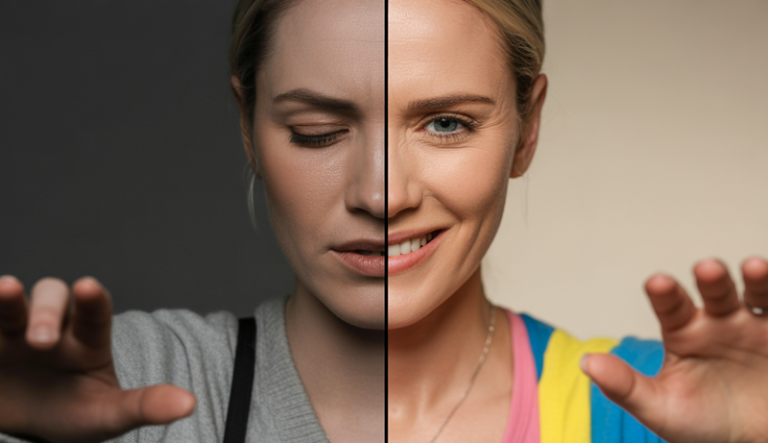
At the heart of the topic lies What Makes People Photogenic, a mix of subtle habits, emotional presence, and how someone connects with the camera. A relaxed expression, natural posture, and genuine comfort often translate into stronger images than technical perfection alone.
Photogenic people tend to project authenticity. They allow small imperfections to exist, and that honesty gives photos warmth. Confidence plays a role as well, not loud or forced confidence, but a quiet ease that shows through the eyes and body language.
Light awareness and facial movement also matter. Knowing how to turn toward light, soften the jaw, or engage the eyes can completely change how a photo feels. These are learned behaviors, not rare talents.
Understanding What Makes People Photogenic helps reveal that it is less about looks and more about presence, emotion, and self-connection in a single captured moment.
What Makes People Photogenic?
Many people assume that being photogenic is purely about facial features, but that belief overlooks the deeper elements that shape a compelling photograph. Cameras tend to amplify emotion, posture, and energy. When a person feels at ease, that comfort translates visually, creating images that feel natural rather than forced.
A major part of What Makes People Photogenic is emotional presence. People who appear engaging in photos often focus less on how they look and more on how they feel in the moment. Genuine emotions—calmness, curiosity, confidence, or joy—are easily captured by the lens and tend to resonate strongly with viewers.
Body language also plays a critical role. Relaxed shoulders, a natural head angle, and subtle facial movements can dramatically affect how someone appears on camera. Small adjustments, such as breathing slowly or softening the eyes, often make a bigger difference than dramatic posing.
Another overlooked factor is familiarity with being photographed. People who understand their angles or are comfortable in front of a camera usually look more photogenic simply because they are less tense. This comfort reduces stiffness and allows natural expressions to emerge more freely.
Lighting awareness further contributes to strong photos. Knowing how light shapes the face helps highlight features gently rather than harshly. Turning slightly toward light or avoiding strong overhead shadows can enhance depth and warmth without changing one’s appearance.
Ultimately, What Makes People Photogenic comes down to presence rather than perfection. Authenticity, comfort, and emotional connection matter far more than symmetry or trend-driven beauty, proving that photogenic qualities are accessible to everyone.
The Science Behind Looking Good in Photos
Understanding why some images look more appealing than others begins with biology, physics, and perception. The science of photogenic faces explains how the human brain processes balance, light, and perspective when viewing an image. Cameras do not simply record appearance; they interpret it through lenses, angles, and light behavior. These factors influence how facial features are perceived, often more than genetics alone. When science and technique align, ordinary faces can appear strikingly photogenic.
Facial Symmetry and Proportions
Facial symmetry has long been associated with attractiveness because the human brain is wired to recognize balance as a sign of health and stability. When both sides of the face closely mirror each other, the image feels visually organized and easy to process. This is a core idea within the science of photogenic faces, where symmetry helps the viewer’s eyes move smoothly across facial features without distraction. Cameras often exaggerate this effect, making balanced proportions stand out more clearly than they do in real life.
However, perfect symmetry is neither common nor required to look good in photos. In fact, slight asymmetry often adds character and depth. A subtle difference in eyebrow height or a naturally uneven smile can make a face feel more expressive and relatable. These imperfections introduce visual interest, preventing the image from looking flat or artificial.
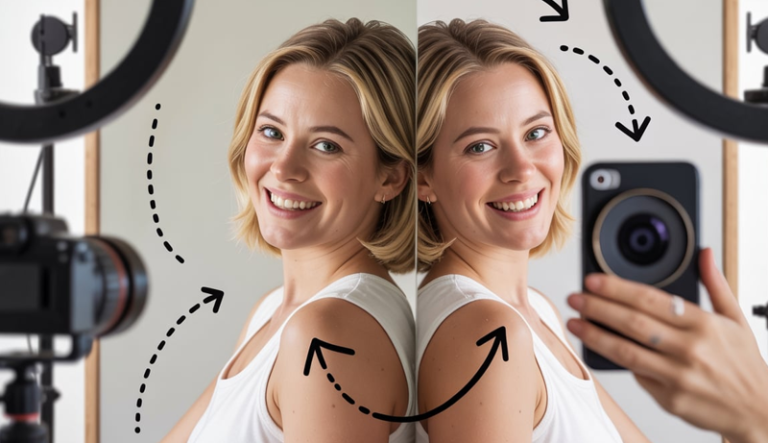
Photography also interacts with symmetry differently than mirrors do. People are used to seeing their mirrored reflection, but cameras show the true orientation of the face. This unfamiliar perspective can make symmetry feel “off” even when it is not. Understanding this helps explain why some people dislike photos of themselves despite being considered attractive by others.
Proportions matter just as much as symmetry. The spacing between eyes, the relationship between nose length and face height, and jawline balance all influence how a face reads on camera. When these proportions fall within a comfortable visual range, the photo tends to feel harmonious regardless of minor asymmetries.
Lighting and Angles
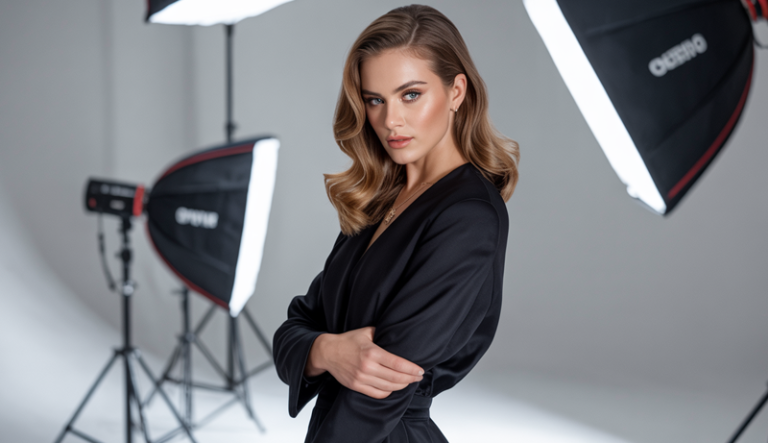
Light is one of the most powerful tools in photography because it shapes how facial features appear. Soft, directional light can create gentle shadows that define cheekbones, jawlines, and eye sockets. Harsh or overhead lighting, on the other hand, can flatten features or exaggerate textures. This is why lighting plays a critical role in the science of photogenic faces, often outweighing facial structure itself.
Angles work closely with lighting to influence perception. Tilting the head slightly or turning the face toward a light source can create depth and dimension. A straight-on angle under poor lighting may make even symmetrical faces appear flat, while a subtle angle can enhance natural contours.
Camera angle frequently matters more than bone structure. Shooting from slightly above eye level tends to elongate the face and emphasize the eyes, while low angles can distort proportions and make features appear heavier. These effects are not flaws in the face but results of perspective.
Angles also affect emotional expression. A relaxed tilt combined with soft light can convey confidence or warmth, while rigid angles often appear tense. When people look better in candid photos, it is often because lighting and angles align naturally rather than being forced.
Understanding how light wraps around the face allows photographers and subjects to work together instead of relying on luck. Mastery of lighting and angles transforms ordinary moments into visually compelling images.
Lens Distortion and Camera Distance
Lens choice significantly alters how a face appears in a photograph. Wide-angle lenses exaggerate features closest to the camera, often making noses look larger and faces rounder. This effect is known as camera distortion face, and it is a common reason selfies feel unflattering. The closer the camera is to the face, the stronger this distortion becomes.
Smartphone cameras typically use wide lenses to capture more background, which unintentionally changes facial proportions. Eyes may appear farther apart, cheeks wider, and noses more prominent. This distortion is not a reflection of actual appearance but a technical limitation of lens design.
Increasing camera distance reduces distortion. When the camera is placed farther away and zoomed in slightly, facial proportions appear more natural. This is why professional portraits are rarely taken at arm’s length. The lens compresses space, bringing features into balance.
Lens distortion also affects symmetry perception. A face that is naturally balanced can appear uneven when one side is closer to the lens. This subtle shift can change how viewers interpret attractiveness without realizing the cause.
Understanding camera distortion face helps explain why people may look very different across photos taken with different devices. The camera does not lie, but it does interpret reality through physics, making distance and lens choice essential factors in how photogenic a face appears.
Are Photogenic People Born or Made?
The idea that some people are naturally photogenic often leads to the belief that this quality is something you are simply born with. While genetics do influence facial structure, they explain only a small part of why certain people consistently look good in photos. Being photogenic is less about fixed traits and more about how someone interacts with the camera.
A major factor is comfort. People who feel relaxed when photographed tend to display softer expressions and natural body language. This ease usually comes from experience rather than genetics. Over time, repeated exposure to cameras helps individuals understand how to position themselves without overthinking.
Awareness also plays an important role. Photogenic people often understand their angles, expressions, and posture. This knowledge is learned through trial, observation, and feedback. Small adjustments in head position or eye focus can significantly change how a photo feels.
Emotional expression matters just as much as technique. Genuine emotion creates visual connection, making photos feel alive rather than staged. People who allow themselves to feel present in the moment often appear more photogenic than those focused solely on appearance.
Environment and lighting further shape results. Someone may look average in harsh lighting but striking in soft, natural light. Learning how surroundings affect appearance can dramatically improve photos without changing the subject.
Ultimately, photogenic qualities develop through awareness, practice, and confidence. While genetics set the foundation, experience and mindset determine how well that foundation translates into compelling photographs.
Psychological Traits of Photogenic People
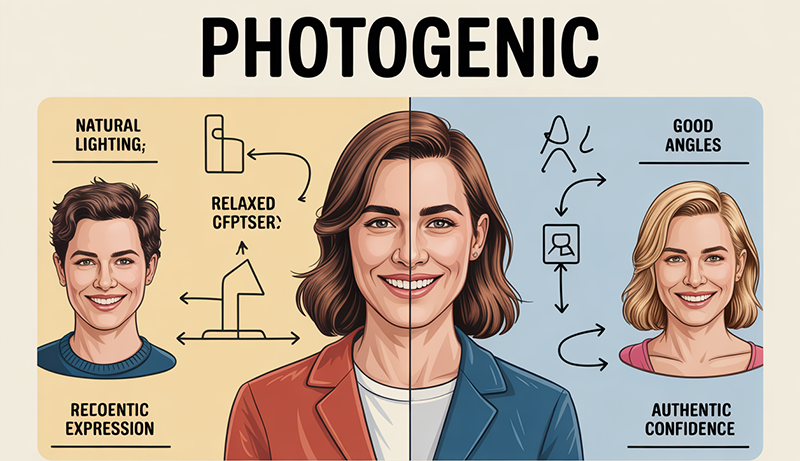
Photogenic appearance is strongly influenced by psychology rather than physical features alone. The way a person thinks, feels, and reacts in front of a camera shapes how they are perceived in images. Traits such as confidence, emotional openness, and self-awareness affect expressions, posture, and energy. These internal factors explain why confidence in photos often matters more than symmetry or technical perfection.
Confidence and Comfort
Confidence is one of the most visible psychological traits in photography. When someone feels comfortable, their face naturally relaxes, resulting in softer eyes and more natural expressions. Relaxed expressions consistently photograph better than forced smiles because they lack tension in the jaw, lips, and forehead. Forced smiles often create stiffness, which cameras capture instantly, making the image feel unnatural.
Confidence in photos is closely tied to body language. Open posture, relaxed shoulders, and balanced weight distribution communicate ease and presence. Even subtle tension in the neck or arms can affect how confident a person appears. People who are comfortable being photographed usually move less rigidly, allowing the body to flow naturally rather than lock into awkward positions.
Comfort also reduces overthinking. When individuals stop focusing on how they look, they become more present in the moment. This presence translates visually, creating images that feel authentic. Confidence does not mean exaggeration or posing dramatically; it often appears as quiet self-assurance.
Why confidence looks good in pictures comes down to perception. Viewers instinctively associate relaxed confidence with approachability and credibility. This psychological response makes confident subjects appear more attractive and engaging, regardless of facial features or styling.
Emotional Expressiveness
Emotional expressiveness plays a powerful role in how photographs are perceived. Authentic emotions photograph better because they create connection. Whether it is calmness, curiosity, joy, or seriousness, genuine emotion adds depth to an image. Cameras are highly sensitive to emotional cues, especially in the eyes and facial muscles.
Micro-expressions are brief, involuntary facial movements that reveal true feelings. These tiny shifts around the eyes, mouth, and eyebrows often determine whether a photo feels alive or flat. When emotions are genuine, micro-expressions align naturally, creating visual harmony. When emotions are forced, these expressions often conflict, resulting in an unnatural look.
Eye engagement is another critical factor. Emotionally expressive people tend to engage their eyes, not just their smiles. This engagement creates intensity and draws viewers in. A smile without eye involvement often appears empty, while strong eye expression can carry an entire image without exaggerated facial movement.
Emotional openness also affects posture and movement. People who allow themselves to feel rather than perform appear more fluid and natural. This fluidity enhances the overall composition of the photo. Emotional expressiveness explains why candid images often feel more powerful than posed ones, even when lighting or framing is imperfect.
Self-Awareness
Self-awareness is a defining trait of people who consistently photograph well. Knowing one’s best angles allows individuals to present themselves in ways that feel natural and flattering. This knowledge is rarely instinctive; it develops through experience, observation, and familiarity with how the camera interprets the face and body.
Understanding how you look on camera is different from how you appear in the mirror. Cameras show perspective, depth, and proportion differently, which can surprise many people. Self-aware individuals adapt by adjusting head position, posture, and facial tension rather than fighting the camera.
This awareness reduces anxiety. When people know what works for them, they feel more confident and relaxed, reinforcing confidence in photos. They no longer rely on trial and error in every situation, allowing expressions to remain calm and authentic.
Self-awareness also includes recognizing personal habits, such as tilting the head too far or tightening the lips. Correcting these habits subtly improves image quality without dramatic posing. Rather than striving for perfection, self-aware people aim for consistency, allowing their natural presence to come through clearly in photographs.
Common Myths About Being Photogenic
Many people believe that being photogenic is a rare gift reserved for a lucky few. This myth often creates unnecessary self-doubt, leading individuals to assume that unflattering photos reflect how they truly look. In reality, photography captures moments, angles, and lighting conditions rather than permanent appearance.
One common myth is that photogenic people are always physically attractive. While facial structure can influence images, it is far from the deciding factor. Expression, posture, and comfort play much larger roles. Many conventionally attractive people struggle in front of the camera, while others with ordinary features photograph beautifully.
Another misconception is that photogenic individuals never take bad photos. In truth, everyone has unflattering images. Photogenic people simply understand how to increase their chances of good results through awareness and experience. They edit out the bad moments rather than avoiding them entirely.
There is also a belief that being photogenic means constantly posing or smiling. Over-posing often leads to stiffness, while genuine moments tend to look better. Natural expressions usually outperform rehearsed ones, even in casual settings.
Some assume that cameras reveal the “real” version of a person. Cameras distort reality through lenses, angles, and lighting. A single image cannot accurately represent how someone looks in motion or in real life.
Ultimately, the myth of being naturally photogenic overlooks the role of psychology, technique, and environment. Photogenic appearance is not fixed; it is shaped by understanding, comfort, and practice.
Practical Tips to Look More Photogenic
Looking good in photos is less about changing your appearance and more about understanding how the camera works with your body, light, and expression. These photography tips for people focus on small, repeatable adjustments that create noticeable improvements. When practiced consistently, they help reduce tension, improve confidence, and make images feel more natural rather than staged or forced.
Master Your Angles
Angles play a major role in how to look photogenic because the camera translates three-dimensional features into a flat image. A slight head tilt can soften facial lines and add dimension, preventing the face from appearing rigid or boxy. Tilting the head subtly toward the camera often enhances eye engagement and balances facial proportions without exaggeration.
Posture is just as important as head position. Standing or sitting tall with relaxed shoulders lengthens the neck and creates cleaner lines through the body. Slouching compresses the torso and draws attention away from the face. Good posture communicates confidence and ease, which consistently photographs better than stiff posing.
Chin positioning is another critical detail. Pushing the chin slightly forward and down helps define the jawline and reduces shadows under the chin. Pulling the chin straight back often creates tension and unwanted folds, even in people with strong facial structure.
Shoulder positioning also influences how the body appears. Turning the shoulders slightly away from the camera rather than facing it straight on creates depth and a slimmer visual profile. These subtle angle adjustments work together to improve balance and create more flattering photos without relying on dramatic poses.
Use Light to Your Advantage
Lighting can dramatically change how a face appears, making it one of the most powerful photography tips for people. Natural light is generally the most forgiving because it spreads evenly across facial features. Facing a window or standing slightly angled to soft daylight helps reduce harsh shadows and highlights skin texture gently.
Side lighting is particularly effective. When light comes from an angle rather than straight on, it adds depth and shape to the face. This technique emphasizes cheekbones and jawlines while avoiding flatness. Early morning or late afternoon light tends to be softer and warmer, creating more flattering tones.
Avoid harsh overhead lighting whenever possible. Lights positioned directly above the head create deep shadows under the eyes, nose, and chin, making the face look tired or uneven. Indoor ceiling lights are especially unflattering when used alone.
When overhead lighting cannot be avoided, tilting the face slightly toward a secondary light source can help rebalance shadows. Understanding light placement allows you to control how your features are highlighted, which is essential for learning how to look photogenic in different environments.
Relax Your Face
Facial tension is one of the most common reasons photos look unnatural. Relaxed faces photograph better because muscles appear softer and expressions feel genuine. A natural smile begins with the eyes, not the mouth. Thinking of something pleasant rather than forcing a grin helps activate authentic facial movement.
Breathing plays a surprisingly important role. Taking a slow breath before the photo helps release tension in the jaw, lips, and forehead. Many people unconsciously clench their jaw when posing, which creates stiffness. Letting the tongue rest gently behind the teeth can also reduce tension.
Slightly parting the lips instead of pressing them together often looks more natural on camera. Tight lips signal discomfort, while relaxed lips suggest ease and confidence. The same principle applies to the eyes; soft focus tends to photograph better than wide, forced expressions.
Blinking just before the photo is taken can refresh the eyes and prevent strain. These small techniques help the face appear calm and expressive, making them essential photography tips for people who struggle with stiff or awkward expressions.
Dress for the Camera
Clothing choices influence how photogenic a person appears, often more than expected. Solid colors typically photograph better than busy patterns, which can distract the eye or create visual distortion. Neutral tones, jewel colors, and muted shades tend to complement skin tones without overpowering the image.
Fit matters more than trends. Well-fitted clothing creates clean lines and balanced proportions, while overly tight or loose garments can distort body shape on camera. Clothing that feels comfortable also encourages relaxed posture, which improves overall appearance.
High-contrast patterns, thin stripes, and shiny fabrics can reflect light unpredictably, drawing attention away from the face. Matte fabrics and simple textures are more camera-friendly and help keep focus where it belongs.
Layering thoughtfully can add structure and depth, especially in portraits. Jackets, scarves, or collars can frame the face and create visual interest without overwhelming the image. Dressing with the camera in mind is a practical way to enhance how to look photogenic while staying authentic to personal style.
Why Some People Look Better in Photos Than in Real Life
Some people seem to come alive in photographs, appearing more striking on camera than they do in everyday interactions. This difference is often confusing, but it has little to do with attractiveness and much more to do with how cameras interpret reality. Photography freezes a single angle, expression, and moment, which can amplify certain features while minimizing others.
Cameras favor stillness and structure. People with naturally defined features, strong expressions, or calm facial tension often translate well into static images. In real life, constant movement and shifting expressions can soften or dilute those same features, making them feel less pronounced in person.
Another reason lies in control. Photos allow selective presentation through angles, lighting, and timing. A person may not stand out in casual environments but can look exceptional when light hits their face correctly or when their posture aligns well with the camera’s perspective.
Emotional expression also plays a role. Some individuals project emotion more clearly through subtle facial cues that cameras capture well. These micro-expressions can appear intense and engaging in photos, even if they feel understated in face-to-face interactions.
The camera also removes distractions. In real life, voice, movement, and surroundings compete for attention. A photograph isolates visual elements, allowing certain people to shine without external noise.
Ultimately, looking better in photos reflects how well someone’s features, expressions, and presence align with the camera’s mechanics, not a mismatch between appearance and reality.
Can Anyone Become Photogenic?
The idea that only certain people can be photogenic is one of the most limiting beliefs in photography. In reality, photogenic appearance is not a fixed trait but a skill shaped by understanding, comfort, and awareness. Anyone can improve how they look in photos by learning how the camera responds to expression, posture, and light.
Comfort is the first step. When people feel relaxed, their faces naturally soften, and their body language becomes more open. This ease often comes with practice rather than genetics. The more familiar someone becomes with being photographed, the less tense and self-conscious they appear.
Awareness also plays a major role. Understanding personal angles, expressions, and posture allows individuals to present themselves more confidently. These adjustments are subtle but powerful, and they grow through observation and repetition rather than drastic changes.
Lighting and environment further influence results. Someone who struggles in harsh lighting may look striking in soft natural light. Learning how surroundings affect appearance can dramatically improve photos without changing the person at all.
Mindset matters just as much as technique. Letting go of perfection and focusing on presence helps expressions feel genuine. Cameras capture authenticity more effectively than effort.
Ultimately, becoming photogenic is about aligning confidence, awareness, and environment. With practice and understanding, anyone can develop a stronger, more natural presence in front of the camera.
Frequently Asked Questions (FAQs)
What Makes People Photogenic?
People appear photogenic because of a combination of comfort, expression, and how they interact with the camera. When you feel relaxed, your facial muscles soften, your eyes engage naturally, and your posture improves. Cameras capture emotion and presence more than physical perfection. Light, angles, and confidence work together to highlight your features in a flattering way. Being photogenic is less about genetics and more about how naturally you present yourself in a moment.
Is Being Photogenic A Natural Talent Or A Learned Skill?
Being photogenic is largely a learned skill. While facial structure can influence how light falls on your face, most photogenic qualities develop through awareness and practice. As you become more familiar with your angles, expressions, and posture, you gain confidence. That confidence reduces tension, which instantly improves how you look in photos. Over time, experience teaches you how to work with the camera rather than against it.
Why Do Some People Look Awkward In Photos?
You may look awkward in photos because of tension, overthinking, or unfamiliarity with being photographed. Cameras freeze moments, and any stiffness in your face or body becomes more noticeable. Forced smiles, tight jaws, or rigid posture often create unnatural results. Lighting and camera angle can also distort features. When you relax and stop trying to control every detail, your photos usually improve significantly.
Does Confidence Really Make A Difference In Photos?
Confidence makes a noticeable difference in photos because it directly affects expression and body language. When you feel confident, your posture opens, your face relaxes, and your eyes appear more engaged. Viewers instinctively respond to this ease and presence. Even subtle confidence creates a sense of authenticity, which cameras capture well. You do not need bold posing—quiet self-assurance often photographs best.
Can Lighting Make Someone Look More Photogenic?
Lighting plays a major role in how photogenic you appear. Soft, natural light smooths shadows and highlights facial features gently, while harsh lighting can exaggerate flaws and create uneven contrast. Light direction matters as well; side lighting adds depth, while overhead lighting often creates unflattering shadows. Learning how to position yourself in good light can dramatically improve photos without changing anything else.
How Can You Improve Your Photogenic Appearance Quickly?
You can improve your photogenic appearance by focusing on relaxation, posture, and light. Take a slow breath before photos to release facial tension. Slightly angle your face and shoulders instead of facing the camera straight on. Position yourself near natural light and avoid harsh overhead sources. Most importantly, stop forcing expressions and allow your face to settle naturally. Small adjustments create noticeable improvements fast.
Conclusion
Understanding why some people consistently look good in photos reveals that photogenic qualities are not mysterious or exclusive. They are shaped by comfort, awareness, and how someone connects with the camera in a given moment. Small details like posture, light, and expression often matter more than facial features.
At its core, What Makes People Photogenic is a blend of psychology and technique. Confidence softens expressions, emotional presence adds depth, and self-awareness helps people work with angles and light instead of against them. These elements develop through practice, not perfection.
Rather than chasing an ideal look, focusing on authenticity creates stronger images. When you feel relaxed and present, photos naturally improve. Recognizing What Makes People Photogenic helps shift attention away from self-criticism and toward understanding how subtle choices shape powerful visual impressions.