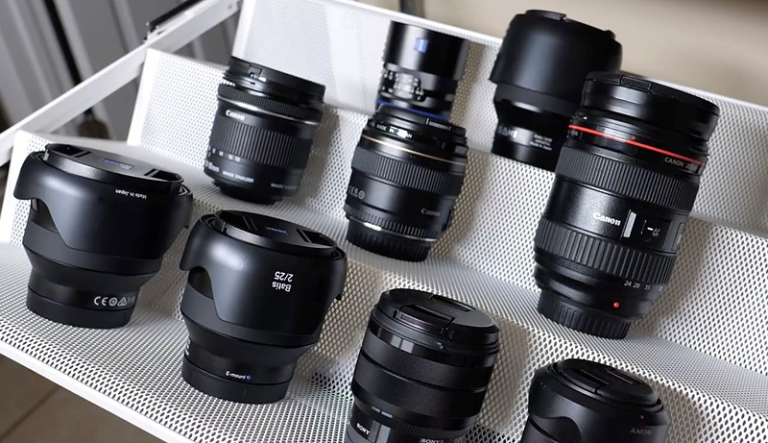
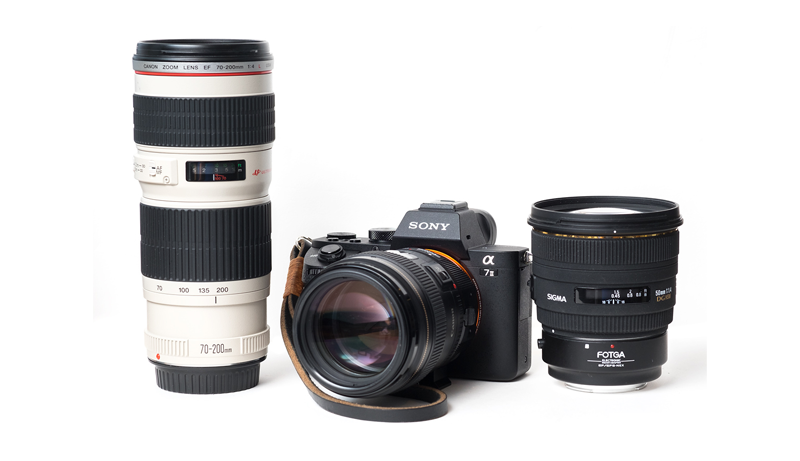
Can You Use Canon Lens on Sony Camera?
Switching camera systems often raises a lot of practical questions, especially when you’ve already invested in good lenses. Many photographers moving from one brand to another don’t want to abandon glass they trust and enjoy using. That’s where compatibility concerns start to matter in a very real way.
Sony cameras, particularly their mirrorless models, have become hugely popular for their image quality, autofocus performance, and compact design. At the same time, Canon lenses have a long-standing reputation for sharpness, reliability, and a wide range of options for different shooting styles. Naturally, people wonder whether these two worlds can meet.
This curiosity leads many photographers to ask: Can You Use Canon Lens on Sony Camera setups without sacrificing performance or usability? It’s not just a technical question—it’s about convenience, cost, and creative freedom.
Understanding how lens mounts, adapters, and camera features interact can help you make smarter gear decisions. With the right knowledge, mixing systems doesn’t have to be confusing or risky, and it might even open up new possibilities for your photography journey.
Canon vs Sony Lens Mount Systems
When comparing Canon and Sony lens mount systems, the first major difference lies in their design philosophy. Canon traditionally built its ecosystem around DSLR cameras using the EF and EF-S mounts, which were designed for larger mirror boxes. These mounts emphasized durability and optical consistency, serving professionals and enthusiasts for decades before Canon transitioned into mirrorless systems.
Sony, on the other hand, entered the interchangeable-lens market later with a strong focus on mirrorless technology. Sony developed the E-mount specifically for mirrorless cameras, allowing for a shorter flange distance. This design made Sony bodies more compact and gave lens designers greater flexibility, especially for wide-angle and fast lenses.
Another key difference is communication and autofocus behavior. Canon EF lenses were engineered for Canon’s DSLR autofocus systems, which rely heavily on phase-detection through a mirror. Sony E-mount lenses are optimized for on-sensor autofocus, including advanced features like real-time eye tracking and continuous AF in video.
The physical mount structure also matters. Canon EF mounts have a longer flange distance, while Sony E-mounts are much shorter. This gap is the main reason adapters can exist, allowing Canon lenses to be mounted on Sony cameras while maintaining correct focus distance.
Finally, ecosystem direction sets them apart. Canon now focuses heavily on its RF mount, while Sony continues refining the E-mount. Both systems are mature, but their different origins explain why adapting between them requires extra consideration.
Can You Use Canon Lenses on Sony Cameras?
Using Canon lenses on Sony cameras is a topic that attracts photographers who want flexibility without replacing their entire kit. The idea of combining Canon’s well-known lens quality with Sony’s advanced mirrorless camera bodies is appealing, especially for those transitioning between systems or working with multiple brands.
The short answer to Can You Use Canon Lenses on Sony Cameras? is yes, but not without extra equipment. Sony cameras use the E-mount system, while Canon lenses are designed for different mounts such as EF or EF-S. Because these mounts are physically different, a lens adapter is required to bridge the gap between the two systems.
Adapters are designed to maintain proper flange distance and enable electronic communication between the lens and the camera. High-quality adapters can support autofocus, aperture control, and even image stabilization. However, performance may vary depending on the adapter brand and the specific lens being used.
Autofocus speed and accuracy are common concerns when adapting Canon lenses to Sony bodies. While many modern adapters perform well for photography, continuous autofocus and video tracking may not match the performance of native Sony lenses in every situation.
Despite these limitations, many photographers successfully use Canon lenses on Sony cameras for portraits, landscapes, and studio work. With the right adapter and realistic expectations, adapting lenses can be a practical and cost-effective solution.
How Lens Adapters Work
Lens adapters are essential tools that allow photographers to use lenses from one camera system on a different camera body. They act as a bridge between incompatible lens mounts, helping maintain proper alignment, focus, and functionality. Understanding how lens adapters work requires looking at both their physical construction and the electronic communication they manage between the lens and the camera.
Mechanical Design and Mount Compatibility
At the most basic level, a lens adapter is a precisely engineered metal or composite ring that physically connects a lens to a camera body. Every camera mount has a specific diameter, locking mechanism, and flange distance—the space between the lens mount and the camera’s image sensor. Adapters are built to compensate for differences in these measurements.
The most important factor is flange distance. If a camera body has a shorter flange distance than the lens was designed for, an adapter can add the extra space needed to achieve proper focus. This is why many DSLR lenses can be adapted to mirrorless cameras, which generally have much shorter flange distances.
Mechanical adapters without electronic contacts rely entirely on manual operation. Focus and aperture are adjusted directly on the lens, making them popular for older lenses and controlled shooting environments. These adapters are simple, durable, and often very affordable.
Precision machining is critical. Even tiny alignment errors can cause softness, light leaks, or focusing inaccuracies. High-quality adapters are carefully manufactured to ensure the lens sits perfectly parallel to the sensor plane, preserving image quality across the frame.
Because the adapter becomes part of the optical chain, its build quality directly affects reliability and shooting confidence, especially when using heavy lenses.
Electronic Communication and Autofocus Support
More advanced lens adapters include electronic contacts that allow communication between the lens and the camera body. These adapters translate signals so that features like autofocus, aperture control, and image stabilization can function across different systems.
When you half-press the shutter, the camera sends focus instructions to the adapter. The adapter then converts those signals into a language the lens understands. This process happens almost instantly, but the efficiency of this translation depends heavily on the adapter’s internal chipset and firmware.
Autofocus performance varies widely. Single-shot autofocus is usually reliable, while continuous autofocus and subject tracking can be slower or less consistent compared to native lenses. This is especially noticeable in fast-paced photography or video recording.
Aperture control is another key feature. Electronic adapters allow the camera to adjust the lens aperture automatically, enabling normal shooting modes like aperture priority and full auto. Without this, users would be limited to manual aperture settings.
Firmware updates play a major role here. Adapter manufacturers often release updates to improve compatibility with new camera bodies or lenses. Keeping firmware updated can significantly enhance performance and stability over time.
Image Quality, Stability, and Performance Trade-Offs
Lens adapters do not usually contain optical elements, so they typically do not alter image quality directly. However, their indirect impact on performance can still influence final results. Autofocus speed, exposure accuracy, and stabilization all affect how usable the adapted setup feels in real-world shooting.
Some adapters support lens-based image stabilization and can synchronize it with in-body stabilization systems. When this works well, photographers benefit from improved handheld performance. When it doesn’t, stabilization may be limited or inconsistent.
Another consideration is shooting speed. Burst rates may be reduced when using adapted lenses, as the camera and adapter need extra time to communicate. This can matter for sports, wildlife, or action photography.
Video shooters may notice focus breathing, hunting, or delayed autofocus transitions. While adapted lenses are perfectly usable for many video projects, native lenses still offer smoother and more predictable results in demanding scenarios.
Ultimately, lens adapters offer flexibility rather than perfection. They allow photographers to extend the life of existing lenses and experiment across systems, accepting small performance compromises in exchange for creative freedom and cost savings.
Autofocus & Performance Considerations
Autofocus behavior is one of the most important factors to evaluate when using adapted lenses. While modern lens adapters have improved significantly, autofocus performance with adapted lenses can still differ from native lens setups. Single-shot autofocus is usually dependable for still subjects, making adapted lenses suitable for portraits, landscapes, and studio photography. The camera can lock focus accurately, though it may take slightly longer than with native lenses.
Continuous autofocus introduces more complexity. Tracking moving subjects requires rapid, consistent communication between the camera, adapter, and lens. In many cases, adapted lenses may show slower focus acquisition, occasional hunting, or reduced subject-tracking reliability. This becomes more noticeable in sports, wildlife, or fast-paced event photography where precision timing matters.
Low-light performance can also be affected. Autofocus systems rely heavily on contrast and available light, and adapted setups may struggle more than native lenses in dim environments. The adapter’s firmware and processing speed play a major role here, as outdated firmware can limit focus accuracy and responsiveness.
Burst shooting and video autofocus may experience additional limitations. Some cameras reduce burst rates when using adapted lenses, and video shooters may notice less smooth focus transitions. These performance considerations don’t make adapters unusable, but they do highlight why understanding autofocus behavior is essential before relying on adapted lenses for critical work.
Canon Lens Types That Work Best on Sony
Using Canon lenses on Sony cameras has become increasingly practical thanks to advanced adapters and mirrorless design. While not every lens performs equally, certain Canon lens types adapt more smoothly and deliver more reliable results. Understanding which lenses work best helps photographers maintain autofocus accuracy, image quality, and overall shooting confidence when pairing Canon lenses with Sony camera bodies.
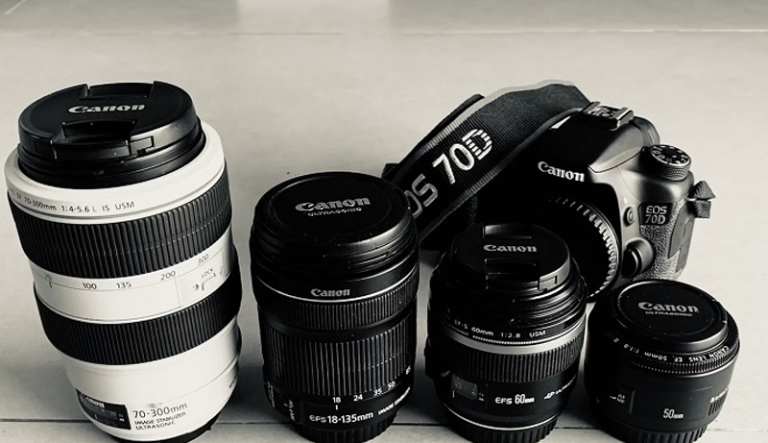
Canon EF Prime Lenses
Canon EF prime lenses are widely considered the best performers when adapted to Sony cameras. Their simpler optical design and fixed focal lengths place fewer demands on autofocus motors and electronic communication, which makes them more predictable when used with adapters. Lenses such as 35mm, 50mm, and 85mm primes are especially popular because they deliver sharp results with minimal performance loss.
Autofocus reliability is generally stronger with EF primes compared to zoom lenses. Single-shot autofocus tends to lock accurately, making these lenses ideal for portraits, street photography, and studio work. Even in lower light, primes often perform better due to their wider maximum apertures, which allow more light to reach the sensor and autofocus system.
Another advantage of EF primes is consistency. Because there is no zoom mechanism, adapted primes experience fewer issues related to focus calibration or motor strain. This results in smoother manual focus control and more stable performance during video recording.
Build quality also plays a role. Many EF prime lenses are robust and well-balanced, reducing strain on the adapter mount. For photographers transitioning systems or working with mixed gear, Canon EF primes offer the most dependable and frustration-free experience on Sony cameras.
Canon EF Standard and Telephoto Zoom Lenses
Canon EF zoom lenses can work well on Sony cameras, but performance depends heavily on lens type and usage. Standard zooms like 24–70mm and telephoto zooms such as 70–200mm are commonly adapted and widely used by professionals. These lenses deliver excellent image quality, though autofocus speed may be slightly reduced compared to native Sony lenses.
Single-point autofocus remains reliable for most shooting scenarios, including portraits, landscapes, and events. However, continuous autofocus tracking can be less consistent, particularly at longer focal lengths or when subjects move rapidly toward or away from the camera. This is more noticeable in wildlife and sports photography.
Weight is another factor. Many Canon zoom lenses are large and heavy, which places additional stress on the adapter and camera mount. Using a tripod collar or lens support is often recommended to maintain stability and protect the mount during extended use.
Despite these considerations, EF zoom lenses remain popular because of their versatility. Image stabilization, when supported by the adapter, can function effectively and pair well with Sony’s in-body stabilization. For photographers who value flexibility over speed, Canon EF zoom lenses can be a practical and capable option on Sony bodies.
Canon Specialty and Professional L-Series Lenses
Canon’s specialty lenses, particularly professional L-series models, are often adapted to Sony cameras due to their exceptional optical quality. These lenses are designed with high-grade glass, weather sealing, and advanced coatings, making them attractive for photographers who prioritize image quality above all else.
Macro lenses are among the best-performing specialty options. Canon EF macro lenses typically use slower, more deliberate autofocus systems, which translates well when adapted. Manual focus precision is excellent, making them ideal for close-up, product, and nature photography on Sony cameras.
Tilt-shift lenses also adapt well because they rely primarily on manual operation. Since autofocus is not a core feature of these lenses, there is little performance loss when using an adapter. Architectural and landscape photographers often benefit from this compatibility.
L-series telephoto primes, while optically outstanding, may face autofocus limitations similar to zoom lenses. However, their sharpness and color rendition remain uncompromised. These lenses are best suited for controlled environments where autofocus speed is less critical, allowing photographers to fully leverage Canon’s premium optics on Sony systems.
Pros and Cons of Using Canon Lenses on Sony Cameras
Using Canon lenses on Sony cameras has become a popular option for photographers who want flexibility across systems. While this setup can be highly practical, it also comes with trade-offs that are important to understand before relying on adapted lenses for regular work.
One of the biggest advantages is cost efficiency. Many photographers already own Canon lenses, and using them on Sony bodies allows continued use of existing gear without reinvesting in an entirely new lens lineup. Canon lenses are known for strong optical quality, and when adapted properly, sharpness, color rendering, and contrast are largely preserved. This makes the transition between systems smoother and more budget-friendly.
Another major benefit is lens variety. Canon’s EF ecosystem offers a wide range of primes, zooms, and specialty lenses that may not have direct equivalents in Sony’s native lineup. This opens creative options, especially for portrait, macro, and studio photographers who prioritize image quality over speed.
On the downside, autofocus performance is the most common limitation. While single-shot autofocus is usually reliable, continuous autofocus and subject tracking can be slower or less consistent than with native Sony lenses. This can be a drawback for sports, wildlife, and fast-moving subjects.
There are also potential handling and stability concerns. Adapters add an extra connection point, which can affect balance, especially with heavy lenses. Firmware updates and compatibility issues may occasionally arise, requiring maintenance and testing to ensure reliable performance in critical shooting situations.
Canon Lens on Sony vs Native Sony Lenses
When comparing Canon lenses on Sony cameras versus native Sony lenses, the most noticeable difference appears in overall system integration. Native Sony lenses are designed specifically for Sony camera bodies, allowing seamless communication between the lens and the camera. This results in faster autofocus, better subject tracking, and smoother performance across both photography and video.
Using Canon lenses on Sony bodies requires an adapter, which introduces an extra layer of communication. While image quality from Canon lenses remains excellent, autofocus speed can be slightly reduced. Single-shot autofocus generally performs well, but continuous autofocus and real-time tracking may not be as consistent as with native Sony lenses, especially in fast-moving scenarios.
Video performance further highlights the difference. Native Sony lenses offer smoother focus transitions, minimal focus breathing, and quieter autofocus motors. Adapted Canon lenses may show occasional focus hunting or delayed transitions, which can be noticeable during professional video recording or run-and-gun shooting styles.
Handling and balance also vary. Native Sony lenses are often lighter and better balanced on Sony mirrorless bodies. Canon lenses, particularly older EF models, tend to be larger and heavier, and the added adapter can affect ergonomics during long shooting sessions.
Reliability is another key factor. Native Sony lenses receive full firmware support and are optimized for new camera features as they are released. Adapted Canon lenses may require firmware updates to maintain compatibility and can sometimes lag behind in supporting newer autofocus technologies.
Ultimately, Canon lenses on Sony cameras offer flexibility and cost savings, while native Sony lenses deliver maximum performance and convenience. The right choice depends on shooting style, subject matter, and how much importance is placed on speed and integration.
| Feature | Canon Lens on Sony Camera | Native Sony Lens |
|---|---|---|
| Mount Compatibility | Requires a lens adapter | Direct E-mount, no adapter needed |
| Autofocus Speed | Generally slower, varies by adapter and lens | Faster and fully optimized |
| Autofocus Tracking | Limited or inconsistent for fast subjects | Excellent subject and eye tracking |
| Image Quality | High optical quality preserved | High quality with full optimization |
| Video Performance | Possible focus hunting and lag | Smooth, quiet, and reliable |
| Stabilization Support | May work, depends on adapter | Fully integrated IBIS and lens IS |
| Handling & Balance | Heavier, adapter adds bulk | Lighter and better balanced |
| Firmware Support | Adapter updates required | Full and automatic support |
| Cost Efficiency | Saves money if you own Canon lenses | Higher cost when building from scratch |
| Best Use Cases | Portraits, studio, landscapes | Sports, wildlife, video, action |
Frequently Asked Questions (FAQs)
Can You Use Canon Lens on Sony Camera Without an Adapter?
You cannot use a Canon lens on a Sony camera without an adapter. Canon and Sony use different lens mount systems, which means the lenses are not physically or electronically compatible by default. To make this combination work, you need a lens adapter that matches your Canon lens mount (such as EF or EF-S) to Sony’s E-mount. Without an adapter, the lens simply cannot attach or function.
Which Canon Lenses Work Best on Sony Cameras?
You will generally get the best results using Canon EF prime lenses on Sony cameras. Prime lenses have simpler optical and mechanical designs, which makes autofocus and aperture control more reliable when adapted. Standard focal lengths like 35mm, 50mm, and 85mm are especially popular because they offer sharp image quality and stable performance for portraits, landscapes, and studio photography.
Does Autofocus Work Properly With Canon Lenses on Sony?
Autofocus does work, but performance depends on the adapter and lens combination. You can expect reliable single-shot autofocus for still subjects. However, continuous autofocus, subject tracking, and eye detection may not perform as well as native Sony lenses. For action, sports, or wildlife photography, you may notice slower focus acquisition or occasional hunting.
Will Image Quality Be Reduced When Using Canon Lenses on Sony?
Image quality is usually not reduced when using Canon lenses on Sony cameras. Adapters do not contain glass elements, so sharpness, contrast, and color rendering from the lens remain intact. Any perceived difference in results typically comes from autofocus behavior or stabilization limitations rather than optical degradation.
Are Canon Lenses on Sony Cameras Good for Video?
You can use Canon lenses on Sony cameras for video, but there are limitations. Autofocus transitions may be slower or less smooth, and focus breathing can be more noticeable. For controlled video setups, interviews, or manual focus work, Canon lenses perform well. For fast-paced or professional video work, native Sony lenses usually deliver better results.
Is It Worth Using Canon Lenses on Sony Cameras?
It is worth using Canon lenses on Sony cameras if you already own Canon glass and want to save money. This setup works especially well for portraits, landscapes, studio work, and casual photography. If you rely heavily on fast autofocus, advanced tracking, or video performance, investing in native Sony lenses may provide a smoother and more reliable experience.
Final Verdict
Switching or mixing camera systems no longer has to be a limiting decision for photographers. With the availability of reliable lens adapters, using lenses across different brands has become a practical option rather than a compromise. Many creators successfully combine Canon lenses with Sony cameras to extend the value of their existing gear and explore new creative possibilities.
Understanding performance trade-offs is essential before making that choice. Autofocus speed, tracking reliability, and video performance may vary depending on the lens and adapter being used. However, image quality remains strong, and for many shooting styles, these limitations have little impact on real-world results.
Ultimately, the answer to Can You Use Canon Lens on Sony Camera depends on your shooting needs and expectations. If flexibility, cost savings, and access to Canon’s lens lineup matter more than maximum autofocus performance, this setup can be a smart and effective solution for your photography workflow.