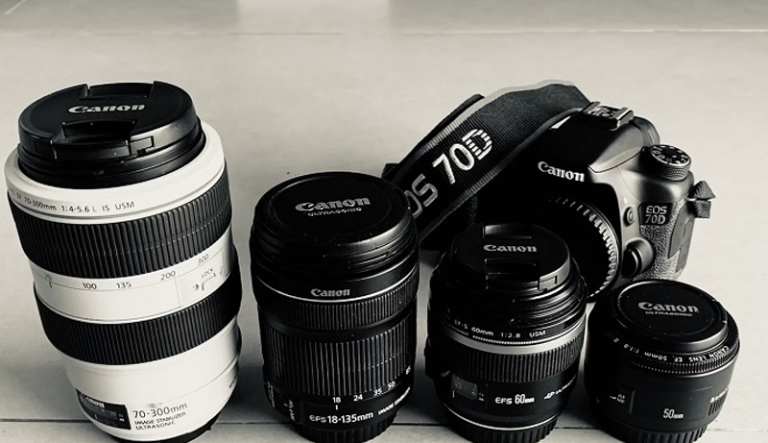
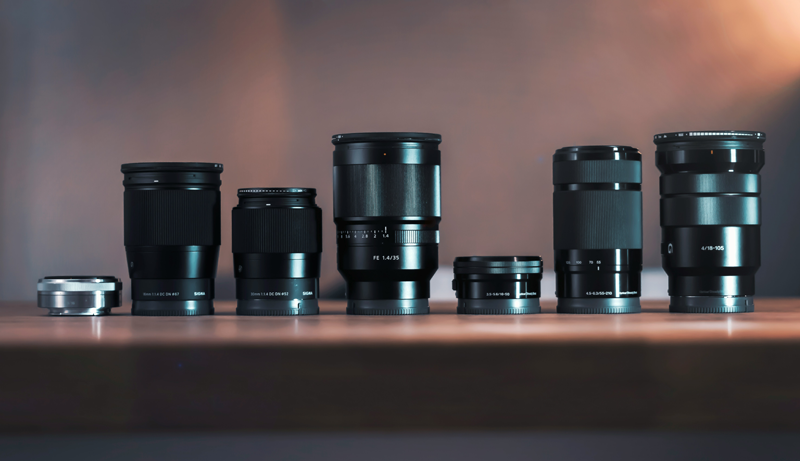
Types of Lenses in Photography
Photography shapes how moments are remembered, and the tools behind the camera play a major role in that process. Lenses influence perspective, depth, clarity, and emotion, turning ordinary scenes into meaningful images. Understanding lenses helps photographers gain more control over their creative choices.
Every lens serves a specific purpose, from capturing wide landscapes to highlighting fine details or compressing distant subjects. Choosing the right lens affects how space, light, and movement are translated into a photograph. This makes lens knowledge essential for both beginners and experienced photographers.
The types of lenses in photography are designed to support different shooting styles, environments, and storytelling goals. Each lens offers unique strengths that shape the final image, whether the focus is realism, drama, or artistic expression.
By learning how different lenses behave and what they are best suited for, photographers can work more confidently and intentionally. This understanding builds a stronger connection between vision and result, helping images feel more deliberate and expressive.
Types of Lenses in Photography?
Understanding the Types of Lenses in Photography is essential for capturing images that truly match your creative vision. Each lens is designed with a specific purpose, influencing how a scene is framed, how much detail is visible, and how subjects relate to their surroundings. The choice of lens can dramatically change the mood and storytelling power of a photograph.
Wide-angle lenses are commonly used to capture expansive scenes such as landscapes, architecture, and interiors. They allow more of the environment to fit into the frame and often create a sense of depth by exaggerating distance between foreground and background elements. This makes them ideal for immersive and dramatic compositions.
Standard lenses closely resemble the natural perspective of the human eye. They are popular for everyday photography, including street scenes, travel shots, and portraits. Their balanced field of view makes images feel realistic and comfortable, helping viewers connect naturally with the subject.
Telephoto lenses are designed to bring distant subjects closer, making them perfect for wildlife, sports, and event photography. They compress space within the frame, creating a pleasing background blur and isolating subjects from their surroundings. This allows photographers to capture sharp details even from far away.
Macro lenses focus on extreme close-ups, revealing details often invisible to the naked eye. They are widely used for nature, product, and creative photography. Exploring different Types of Lenses in Photography empowers photographers to adapt to diverse situations and express their vision with precision and confidence.
What Is a Camera Lens?
A camera lens is one of the most important components of any camera system, directly shaping how a photograph looks and feels. While the camera body records the image, the lens controls how light enters the camera and how the scene is visually interpreted. Without a lens, capturing a clear and focused image would not be possible.
At its core, a camera lens is a carefully engineered set of glass elements designed to bend and focus light onto the camera’s sensor. This process determines sharpness, depth, perspective, and overall image quality. Different lens designs handle light in unique ways, which is why photographs can look dramatically different even when taken with the same camera body.
Lenses also influence how much of a scene appears in the frame. Some lenses capture a wide field of view, while others zoom in tightly on distant subjects. This control over framing allows photographers to guide the viewer’s attention and emphasize specific details or emotions within an image.
Another key role of a camera lens is managing depth of field. By adjusting the aperture, a lens can create a soft, blurred background or keep everything in sharp focus. This feature is especially important for portraits, storytelling, and artistic expression.
Understanding what a camera lens does helps photographers make smarter creative choices. Rather than seeing the lens as just an accessory, it becomes a powerful visual tool that transforms light, space, and moments into meaningful photographs.
Classification of Lenses by Focal Length
Lenses are commonly classified by focal length because it directly affects perspective, framing, and how a subject appears in relation to its surroundings. Focal length determines how wide or narrow the field of view is and how much visual compression occurs in an image. Understanding this classification helps photographers select the right lens for specific scenes, shooting distances, and creative intentions across different genres of photography.
Standard Lenses (35mm–50mm)
Standard lenses, typically ranging from 35mm to 50mm, are known for producing a natural field of view that closely resembles human vision. Images captured with these lenses tend to look realistic and balanced, making them easy for viewers to relate to without feeling visually exaggerated or compressed. This natural perspective is one of the main reasons standard lenses are so widely used.
These lenses are extremely popular for everyday photography. Street scenes, travel moments, lifestyle shots, and environmental portraits benefit from the way standard lenses maintain proportion while still allowing subject focus. They work well in both indoor and outdoor environments and adapt easily to changing lighting conditions.
Portrait photography is another common use case. A 50mm lens, in particular, offers flattering facial proportions without noticeable distortion. It allows photographers to include context while still keeping attention on the subject, making it ideal for storytelling portraits.
One major advantage of standard lenses is their wide maximum aperture, which enables excellent low-light performance and smooth background blur. They are often lightweight, affordable, and sharp. However, they lack extreme reach or wide coverage, which can limit their use for distant subjects or expansive scenes.
Wide-Angle Lenses
Wide-angle lenses generally fall within the 24mm to 35mm focal length range, offering a broader field of view than standard lenses. They allow photographers to capture more of a scene in a single frame, making them especially useful when space is limited or when visual scale is important.
Landscape photography relies heavily on wide-angle lenses because they emphasize foreground elements while still including vast backgrounds. This creates depth and draws the viewer into the image. Similarly, architecture and interior photography benefit from wide angles, as they help fit large structures or rooms into the frame.
Wide-angle lenses are also commonly used in travel and documentary photography. They allow photographers to tell fuller stories by including surroundings, context, and environmental details that add meaning to the subject. This makes images feel immersive and dynamic.
One important consideration when using wide-angle lenses is distortion. Straight lines near the edges of the frame may appear curved, especially at shorter focal lengths. While this distortion can be corrected in post-processing, photographers must still compose carefully to avoid unwanted visual effects that distract from the subject.
Ultra-Wide Lenses
Ultra-wide lenses typically have focal lengths shorter than 24mm and are designed to capture extreme wide perspectives. These lenses dramatically expand the field of view, often creating bold and visually striking images that feel immersive and unconventional.
The exaggerated perspective of ultra-wide lenses makes them popular for creative photography. Foreground elements appear significantly larger while backgrounds stretch far into the distance. This effect can be used intentionally to add drama, scale, and visual tension to an image.
Environmental photography is another area where ultra-wide lenses shine. They allow photographers to place subjects within expansive surroundings, highlighting relationships between people, spaces, and environments. This approach is especially effective for storytelling, travel, and editorial work.
Ultra-wide lenses are best used when the scene itself is a key part of the message. However, they require careful composition, as distortion becomes more noticeable and can easily overpower the subject. When used thoughtfully, ultra-wide lenses offer creative freedom that few other lenses can match.
Telephoto Lenses
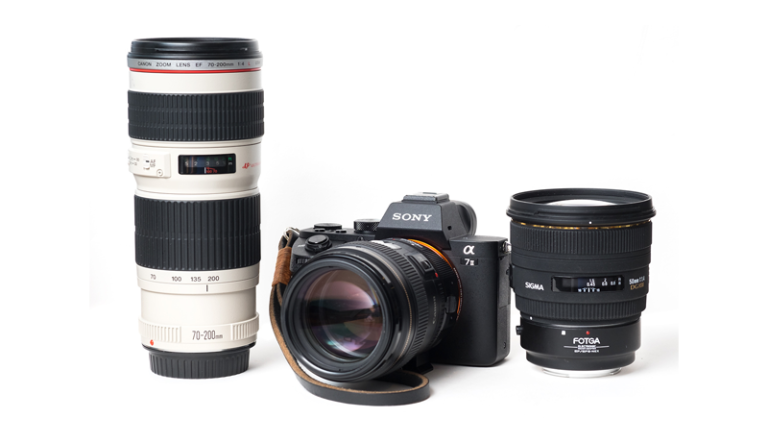
Telephoto lenses are designed to capture distant subjects by narrowing the field of view and magnifying details. They typically start around 70mm and extend to 300mm or more, depending on the category. These lenses are essential when physical distance from the subject is unavoidable.
Medium telephoto lenses, such as 70–135mm, are commonly used for portraits, events, and street photography. They allow photographers to maintain comfortable shooting distance while achieving subject isolation and pleasing background blur. Facial features appear more compressed, resulting in flattering proportions.
Super telephoto lenses, often exceeding 300mm, are primarily used in sports and wildlife photography. They enable photographers to capture fast-moving or distant subjects with clarity and precision. These lenses are especially valuable in situations where approaching the subject is impractical or unsafe.
A defining characteristic of telephoto lenses is the compression effect. This visual phenomenon makes background elements appear closer to the subject, creating a layered and cinematic look. While telephoto lenses are powerful tools, they are often heavier, more expensive, and require steady technique to achieve sharp results.
Specialized Types of Photography Lenses
Specialized photography lenses are designed to handle specific visual challenges that standard lenses cannot fully address. These lenses offer unique optical capabilities that allow photographers to capture extreme detail, creative distortion, or precise perspective control. By using specialized lenses, photographers can expand their creative range and achieve results that require advanced optical design and intentional shooting techniques.
Macro Lenses
Macro lenses are built for extreme close-up photography, allowing photographers to capture subjects at very short focusing distances with exceptional sharpness. A true macro lens offers a 1:1 magnification ratio, meaning the subject appears life-size on the camera sensor. This level of magnification reveals textures and details that are often invisible to the naked eye.
It is important to distinguish between true macro lenses and close-up lenses. True macro lenses are optically designed to maintain clarity and sharpness at close distances, while close-up lenses may simply reduce minimum focusing distance without delivering full life-size reproduction. This difference greatly affects image quality and precision.
Macro lenses are widely used in product photography, where fine details such as textures, logos, and materials must be clearly visible. They are also essential for insect and nature photography, enabling photographers to capture delicate features like wings, eyes, and surface patterns without disturbing the subject.
Beyond technical accuracy, macro lenses support creative exploration. Shallow depth of field and selective focus can transform small subjects into abstract or artistic compositions. While macro photography requires patience, lighting control, and stability, macro lenses provide unmatched access to a hidden visual world filled with detail and complexity.
Fisheye Lenses
Fisheye lenses are ultra-wide lenses designed to create strong visual distortion, producing curved lines and an exaggerated sense of space. Unlike standard wide-angle lenses, fisheye lenses intentionally bend straight lines to achieve a dramatic, hemispherical look that emphasizes creativity over realism.
There are two main types of fisheye lenses: circular and full-frame fisheye. Circular fisheye lenses project a round image within the frame, leaving black borders around the edges. Full-frame fisheye lenses fill the entire sensor while still maintaining heavy distortion and a very wide field of view.
Fisheye lenses are often used for creative and artistic photography. They are popular in experimental portraiture, abstract compositions, and visual storytelling where exaggeration enhances emotional impact. Their unique perspective challenges traditional composition rules and encourages unconventional framing.
These lenses are also used in action sports, concerts, and immersive environmental photography, where capturing a wide scene with dynamic energy is essential. While fisheye lenses are not suited for every subject, they offer a powerful way to break visual norms and create images that feel bold, expressive, and visually engaging.
Tilt-Shift Lenses
Tilt-shift lenses are specialized tools designed to control perspective and plane of focus. Unlike standard lenses, they allow photographers to tilt or shift the lens elements independently of the camera sensor. This capability provides precise control over how lines and focus behave within an image.
Perspective control is one of the most important functions of tilt-shift lenses. In architectural photography, these lenses correct converging vertical lines that occur when shooting tall buildings. By shifting the lens instead of tilting the camera, structures appear straight and proportionally accurate.
Tilt-shift lenses are also known for creating miniature effects. By tilting the lens to control the plane of focus, photographers can isolate narrow bands of sharpness, making real-world scenes resemble small-scale models. This effect is often used creatively in cityscapes and landscape photography.
Although tilt-shift lenses require technical knowledge and careful setup, they offer unmatched precision. They are commonly used by professionals who need accuracy and creative flexibility. With deliberate use, tilt-shift lenses open up advanced visual possibilities that cannot be replicated through standard lens designs.
Prime vs Zoom Lenses
Prime and zoom lenses represent two fundamental categories in photography, each offering distinct advantages and limitations. The choice between them affects image quality, shooting flexibility, and overall workflow. Understanding how prime and zoom lenses differ helps photographers select the right tool based on shooting style, subject matter, and creative priorities.
Prime lenses have a fixed focal length, meaning they cannot zoom in or out. Common examples include 35mm, 50mm, and 85mm lenses. Because of their simpler optical design, prime lenses often deliver superior sharpness, better contrast, and wider maximum apertures. This makes them excellent for low-light conditions and for achieving shallow depth of field with smooth background blur.
Another strength of prime lenses is their ability to encourage intentional composition. Since framing must be adjusted by physically moving closer or farther from the subject, photographers often become more aware of perspective and scene structure. Prime lenses are usually lighter and more compact, which makes them ideal for street photography, portraits, and everyday use. However, their lack of zoom flexibility can be limiting in fast-changing environments.
Zoom lenses, on the other hand, offer variable focal lengths within a single lens, such as 24–70mm or 70–200mm. This versatility allows photographers to quickly adapt to different compositions without changing lenses. Zoom lenses are especially valuable for travel, events, sports, and wildlife photography where subjects and distances change rapidly.
While modern zoom lenses provide excellent image quality, they are generally heavier and may have smaller maximum apertures compared to prime lenses. Despite this, their convenience and adaptability make them a practical choice for many photographers. Choosing between prime and zoom lenses ultimately depends on whether image purity or flexibility is the higher priority for a given shooting situation.
Lens Types Based on Photography Style
Different photography styles demand different visual approaches, and lens selection plays a critical role in achieving the desired results. Each genre has unique requirements related to perspective, subject distance, background control, and motion. Choosing lenses based on photography style allows photographers to work more efficiently and consistently produce images that align with the expectations of that specific field.
Portrait Photography Lenses
Portrait photography lenses are designed to create flattering representations of people by controlling perspective and background separation. Medium focal lengths, commonly ranging from 50mm to 135mm, are preferred because they avoid facial distortion and maintain natural proportions. These lenses help subjects appear balanced and visually pleasing.
A key feature of portrait lenses is a wide maximum aperture. Large apertures allow photographers to produce shallow depth of field, which softly blurs the background and isolates the subject. This effect draws attention to facial expressions and emotions while minimizing distractions within the frame.
Portrait lenses are used in studios, outdoor environments, and lifestyle settings. They adapt well to controlled lighting as well as natural light conditions. Their optical sharpness ensures details such as eyes and skin textures are captured clearly, while still allowing creative softness when desired.
Although portrait lenses excel at subject isolation, they may feel restrictive in tight spaces. Photographers must consider working distance and framing limitations. When used thoughtfully, portrait lenses become powerful storytelling tools that emphasize personality, mood, and human connection.
Landscape Photography Lenses
Landscape photography lenses prioritize wide coverage and depth, allowing photographers to capture expansive scenes with clarity. Wide-angle lenses are commonly used because they include more of the environment while emphasizing foreground elements that add scale and dimension to the image.
Sharpness across the entire frame is critical in landscape photography. Lenses with strong edge-to-edge performance ensure that mountains, skies, and foreground details remain crisp. Smaller apertures are often used to maintain deep focus, making lens optical quality especially important.
Landscape lenses are frequently used in outdoor conditions that include changing light, weather, and terrain. Durability and resistance to environmental elements are valuable characteristics. These lenses are also compatible with filters, which are often used to control reflections and exposure.
While wide-angle lenses dominate this style, longer focal lengths are sometimes used to isolate distant details. The versatility of landscape lenses lies in their ability to translate vast natural scenes into balanced and visually immersive compositions.
Wildlife Photography Lenses
Wildlife photography lenses are built to capture animals from a distance without disturbing their natural behavior. Telephoto and super-telephoto lenses are essential, as they allow photographers to frame subjects that are far away or difficult to approach safely.
Fast autofocus performance is crucial in wildlife photography. Animals move unpredictably, and lenses must track motion accurately to ensure sharp images. Long focal lengths combined with fast focusing systems help photographers respond quickly to fleeting moments.
These lenses are often used in challenging environments such as forests, deserts, or open plains. Image stabilization plays a significant role in reducing camera shake, especially when shooting handheld at long distances. This improves sharpness and shooting flexibility.
Wildlife lenses tend to be large and heavy, requiring strong support and careful handling. Despite these challenges, they enable photographers to document behavior, expression, and interaction in ways that shorter lenses cannot achieve.
Sports Photography Lenses
Sports photography lenses are designed to freeze fast action and capture decisive moments. Telephoto lenses dominate this style, allowing photographers to maintain distance from the field while still filling the frame with athletes in motion.
Wide maximum apertures are important for sports photography, especially in indoor arenas or low-light conditions. These apertures allow faster shutter speeds, which are necessary to stop motion and maintain sharpness during high-speed action.
Sports lenses must deliver reliable autofocus tracking. Continuous focusing systems help maintain sharpness as subjects move rapidly across the frame. This capability is essential for capturing peak moments such as goals, jumps, or collisions.
Durability is another critical factor, as sports photographers often work in demanding environments. Weather-sealed construction and solid build quality ensure consistent performance. Sports lenses provide the reach, speed, and precision needed to capture intensity and emotion in competitive moments.
Street Photography Lenses
Street photography lenses are chosen for discretion, speed, and adaptability. Compact prime lenses and small zoom lenses are popular because they allow photographers to blend into their surroundings and capture candid moments naturally.
Moderate focal lengths are commonly used, as they provide a natural perspective that reflects everyday life. These lenses encourage photographers to engage with their environment while maintaining visual realism and balance within the frame.
Street photography often relies on available light, making lenses with wide apertures especially valuable. These lenses perform well in varying lighting conditions, from bright streets to dim alleyways, without requiring additional equipment.
Lightweight construction enhances mobility and comfort during long shooting sessions. Street photography lenses support spontaneity and quick reactions, enabling photographers to document authentic human interactions and fleeting urban scenes.
Wedding Photography Lenses
Wedding photography lenses must handle a wide range of situations, from intimate portraits to large group shots and fast-moving events. Versatility is essential, as photographers must adapt quickly without missing important moments.
A combination of wide-angle, standard, and telephoto lenses is commonly used in wedding photography. Wide lenses capture venues and group scenes, while longer lenses isolate emotional moments during ceremonies and receptions.
Low-light performance is especially important, as weddings often take place indoors or during evening hours. Lenses with wide apertures allow photographers to work in ambient light while preserving mood and atmosphere.
Wedding lenses must also deliver reliable autofocus and consistent image quality. Emotional expressions, fleeting gestures, and once-in-a-lifetime moments demand precision. Well-chosen lenses help wedding photographers tell complete stories with clarity, emotion, and elegance.
Camera Lens Mounts and Compatibility
Camera lens mounts play a critical role in determining how lenses connect to camera bodies and how well they function together. A lens mount is the physical and electronic interface that secures the lens to the camera while enabling communication for focusing, aperture control, and image stabilization. Without proper mount compatibility, a lens simply cannot be used effectively.
Each camera system uses a specific lens mount design, which varies in size, shape, and electronic contacts. These differences mean that lenses are generally built for particular camera brands or systems. Mount design also affects flange distance, which influences optical performance and limits how lenses can be adapted across systems.
Compatibility goes beyond physical attachment. Even if a lens fits a camera body, full functionality may not be guaranteed. Autofocus speed, exposure accuracy, and image stabilization often rely on electronic communication between the lens and camera. When this communication is limited or absent, features may be reduced or unavailable.
Lens adapters provide an option for using lenses across different mounts. They can allow physical attachment and, in some cases, electronic communication. However, adapters may impact autofocus performance, add bulk, or introduce limitations depending on the camera and lens combination.
Understanding camera lens mounts and compatibility helps photographers make smarter equipment decisions. It ensures long-term system flexibility, avoids costly mistakes, and allows lenses and camera bodies to work together efficiently for consistent, reliable results.
How to Choose the Right Lens for Photography
Choosing the right lens is one of the most important decisions a photographer can make, as it directly influences image quality, perspective, and creative control. Different lenses serve different purposes, and understanding how they align with your photography goals helps avoid unnecessary purchases. A thoughtful lens choice improves shooting efficiency and ensures your equipment supports the type of images you want to create.
Consider Your Photography Style and Subjects
The first step in choosing the right lens is identifying what you primarily photograph. Different subjects require different focal lengths, perspectives, and optical characteristics. Portrait, landscape, wildlife, street, and event photography all place unique demands on a lens, making style-based selection essential.
For photographers who focus on people, lenses that provide natural perspective and background separation are often preferred. Those who shoot nature or architecture may need lenses that capture wide scenes with strong edge-to-edge sharpness. Action-oriented photography demands lenses that can reach distant subjects and track movement effectively.
Understanding how close you can physically get to your subject also matters. Some genres allow mobility, while others require shooting from a fixed or distant position. This directly affects whether wide-angle, standard, or telephoto lenses are more practical.
By clearly defining your photography style and subject matter, lens selection becomes more focused and intentional. Instead of chasing versatility alone, photographers can prioritize lenses that consistently support their creative and practical needs.
Understand Focal Length and Perspective
Focal length is a core factor in lens selection because it determines how much of a scene fits into the frame and how subjects appear in relation to their surroundings. Shorter focal lengths capture wider views, while longer focal lengths magnify distant subjects and compress space.
Perspective plays a major role in visual storytelling. Wide focal lengths exaggerate depth, making foreground elements appear larger and more dominant. Longer focal lengths flatten scenes, bringing background elements visually closer to the subject. Each effect can enhance or weaken an image depending on intent.
Photographers should also consider how focal length affects working distance. Some lenses require you to be physically close to the subject, while others allow you to maintain distance. This can influence comfort, safety, and the authenticity of moments being captured.
Learning how different focal lengths shape images helps photographers predict results before pressing the shutter. This understanding leads to stronger composition, better framing decisions, and more consistent outcomes across different shooting situations.
Evaluate Aperture and Low-Light Performance
A lens’s maximum aperture significantly affects its performance in low-light conditions and its ability to control depth of field. Wider apertures allow more light to reach the camera sensor, making them ideal for dim environments and faster shutter speeds.
Aperture also influences background blur, which is often used creatively to separate subjects from their surroundings. Lenses with wide apertures produce smoother background transitions, helping draw attention to the main subject without distractions.
Low-light performance is especially important for photographers who work indoors, at night, or in uncontrolled lighting conditions. A lens with a wider aperture can reduce reliance on artificial lighting or high ISO settings, preserving image quality.
However, lenses with wide apertures are often larger, heavier, and more expensive. Photographers must balance creative benefits with practical considerations. Understanding how aperture affects both aesthetics and exposure helps ensure the lens fits real-world shooting needs.
Balance Versatility, Budget, and Practical Use
Practical considerations play a major role when choosing the right lens. Budget, weight, size, and ease of use all influence how often a lens will actually be used. A lens that is technically excellent but rarely carried offers little value.
Versatility is important for photographers who shoot varied subjects. Zoom lenses provide flexibility by covering multiple focal lengths, reducing the need to change lenses frequently. Prime lenses, while less flexible, often offer better image quality and simplicity.
Budget constraints should guide decision-making without compromising essential needs. Investing in a lens that aligns with long-term goals is often more beneficial than purchasing multiple lenses that overlap in function. Quality lenses tend to remain useful even as camera bodies change.
Ultimately, the right lens is one that fits your shooting habits, creative goals, and practical limitations. Careful evaluation ensures the lens becomes a reliable tool rather than unused equipment.
Frequently Asked Questions (FAQs)
What Are the Main Types of Lenses in Photography?
The main types of lenses in photography include wide-angle, standard, telephoto, macro, fisheye, prime, and zoom lenses. Each type serves a different purpose based on focal length and design. You choose wide-angle lenses for expansive scenes, telephoto lenses for distant subjects, and macro lenses for close-up detail. Understanding these categories helps you select the right lens for your shooting style.
How Do You Choose the Right Lens for Your Photography Style?
You choose the right lens by considering what you photograph most often. If you shoot portraits, lenses with natural perspective and wide apertures work best. For landscapes, you benefit from wide-angle lenses with sharp edge-to-edge performance. Wildlife and sports require telephoto lenses, while street photography favors compact and fast lenses that adapt quickly to changing scenes.
What Is the Difference Between Prime and Zoom Lenses?
Prime lenses have a fixed focal length, while zoom lenses offer a range of focal lengths in one lens. You get better sharpness, wider apertures, and lighter weight with prime lenses. Zoom lenses give you flexibility and convenience, especially when you need to change framing quickly. Your choice depends on whether image quality or versatility matters more to your workflow.
Why Are Macro Lenses Important in Photography?
Macro lenses allow you to capture extreme close-up images with high detail and sharpness. You use them for product photography, nature shots, insects, and texture-focused images. A true macro lens provides life-size reproduction, helping you reveal details that are invisible to the naked eye. This makes macro lenses essential for precision and detail-oriented photography.
How Does Focal Length Affect Your Photos?
Focal length controls how much of a scene you capture and how subjects appear in relation to their background. Short focal lengths show more of the environment and exaggerate depth. Long focal lengths bring distant subjects closer and compress the background. When you understand focal length, you gain better control over composition, perspective, and visual storytelling.
Can You Use One Lens for All Types of Photography?
You can use one lens for many situations, but no single lens is perfect for every photography style. Versatile zoom lenses cover a wide range of scenarios, but they may lack the creative advantages of specialized lenses. As your skills grow, you often benefit from owning multiple lenses, each designed to handle specific subjects and shooting conditions more effectively.
Conclusion
Understanding camera lenses is essential for anyone who wants to improve their photography skills and creative control. Each lens offers a unique way to capture light, shape perspective, and highlight subjects. By learning how lenses differ in focal length, design, and purpose, photographers can make more confident and informed choices.
Exploring the types of lenses in photography allows you to match the right lens to the right situation. Whether the goal is capturing sweeping landscapes, detailed close-ups, or fast-moving action, lens selection directly influences image quality and storytelling impact. The right lens helps translate creative vision into a clear visual result.
As photography skills grow, lens knowledge becomes increasingly valuable. Instead of relying on trial and error, photographers can approach each shoot with intention. Mastering the types of lenses in photography ultimately leads to more consistent results, stronger compositions, and a deeper connection between the photographer and the images they create.