How Confidence Changes Your Appearance
Confidence shows up before a word is spoken. It appears in posture, eye contact, and the way someone moves through a room. People often notice this presence instantly, even when they cannot explain exactly what feels different or compelling.
Appearance is not only about clothing, makeup, or physical features. It is shaped by inner attitudes that influence facial expressions, body language, and energy. A relaxed smile, steady gaze, and natural gestures create a stronger visual impact than perfectly styled outfits alone.
This connection between mindset and looks is often overlooked, yet it plays a powerful role in everyday interactions. Understanding How Confidence Changes Your Appearance reveals why self-assured individuals seem more attractive, approachable, and memorable in both personal and professional spaces.
Confidence allows authenticity to surface. It softens tension in the face, straightens the shoulders, and brings clarity to expression. Over time, this inner strength reshapes how others perceive you—and how you see yourself—making appearance a reflection of self-belief rather than surface effort.
How Confidence Changes Your Appearance?
Confidence has a direct effect on body language, which is one of the first things people notice. A confident person naturally stands taller, keeps their shoulders relaxed, and moves with purpose. These subtle physical cues create an impression of strength and self-assurance, making the individual appear more put-together and visually appealing without any deliberate effort.
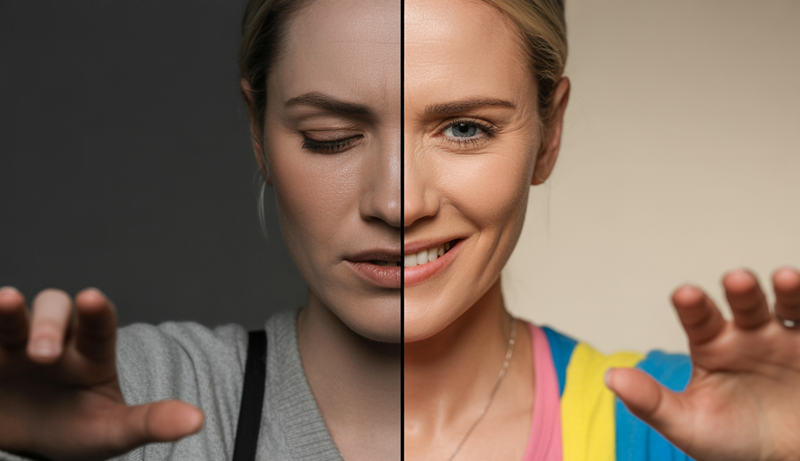
Facial expressions also change with confidence. When someone feels secure in themselves, their face appears more relaxed and expressive. Genuine smiles come more easily, eye contact feels natural, and tension around the jaw or brow softens. This openness makes a person seem more approachable and warm, enhancing their overall appearance far beyond surface-level features.
Confidence influences personal style choices as well. Instead of hiding behind clothes or trends, confident individuals tend to wear what reflects who they are. This authenticity makes outfits look intentional and effortless. When someone feels comfortable in their own skin, it shows in how they carry what they wear, not just in the clothes themselves.
Another powerful shift happens in the way confident people are perceived socially. They draw attention without demanding it, simply because their presence feels grounded. This calm energy often leads others to view them as more attractive, capable, and trustworthy, reinforcing the positive cycle between confidence and appearance.
Ultimately, how confidence changes your appearance goes beyond looks—it reshapes presence. When inner belief aligns with outward expression, appearance becomes a natural extension of self-respect and clarity, leaving a lasting impression that styling alone can never achieve.
The Psychology Behind Confidence and Perception
Confidence plays a critical role in how the brain interprets visual and social cues. Psychologically, people are wired to associate confidence with competence, safety, and leadership. When someone appears self-assured, observers often assume they are more capable, intelligent, or experienced—even before any interaction takes place.
This perception is influenced by cognitive shortcuts known as heuristics. The brain uses visible signals such as posture, eye contact, and vocal tone to quickly judge others. Confidence strengthens these signals, making them easier to interpret positively. As a result, confident individuals are often perceived more favorably, regardless of their actual skills or appearance.
Emotional contagion also contributes to this effect. Confidence creates a calm and stable emotional state that others subconsciously pick up on. When someone feels comfortable with themselves, it reduces social tension and makes interactions smoother, which reinforces positive perceptions in group settings.
Self-perception plays an equally important role. When individuals believe in themselves, their internal narrative shifts. This mindset reduces anxiety and self-monitoring, allowing more natural behavior. The brain then aligns actions with beliefs, creating a feedback loop where confidence strengthens outward expression.
Over time, repeated confident behavior reshapes identity. The mind begins to associate self-assurance with positive outcomes, reinforcing the belief that confidence leads to acceptance and success. This psychological pattern explains why confidence not only changes how others see you—but also how you experience yourself in the world.
Body Language: The Most Visible Change
Body language is often the first and most powerful signal people notice when confidence shifts. Long before words are exchanged, posture, movement, and physical presence communicate self-belief or uncertainty. These nonverbal cues quietly shape first impressions and ongoing perceptions. As confidence grows, body language becomes more open, intentional, and expressive, making it the most visible and immediate change in how a person appears to others.
Posture and Physical Alignment
Posture is one of the clearest indicators of confidence and one of the easiest changes to observe. A confident posture typically includes a straight spine, relaxed shoulders, and a balanced stance. This alignment signals comfort and self-assurance, while slouched shoulders or a lowered head often suggest insecurity or hesitation.
When confidence improves, the body naturally takes up more space. People stand taller, sit with purpose, and avoid defensive positions such as crossed arms or hunched backs. These changes are not forced; they emerge as the mind feels safer and more secure in social environments.
Posture also affects internal psychology. An upright stance sends feedback to the brain that reinforces feelings of control and readiness. This creates a loop where confident posture strengthens confident thinking, which further improves body language.
Over time, consistent physical alignment changes how others respond. A person who stands with ease and stability is often perceived as more capable and authoritative. This response reinforces confidence, making posture not just a reflection of inner belief but an active contributor to it.
Eye Contact and Facial Expression
Eye contact is another major shift that occurs as confidence develops. Confident individuals tend to maintain steady, comfortable eye contact without staring or avoiding gaze. This balance signals attentiveness, honesty, and self-trust, making interactions feel more genuine and engaging.
Facial expressions also become more relaxed and expressive. When confidence replaces self-doubt, tension in the face decreases. Smiles appear more natural, micro-expressions align with emotions, and the face reflects ease rather than guardedness.
Avoidance behaviors such as looking down, darting eyes, or forced expressions often fade as self-assurance grows. Instead, facial movements synchronize with conversation, creating clarity and emotional connection. This alignment helps others feel seen and understood.
These subtle facial and visual cues have a strong psychological impact. People often interpret steady eye contact and relaxed expressions as signs of confidence and credibility. As a result, confident body language enhances trust and attraction without requiring verbal affirmation.
Movement, Gestures, and Spatial Awareness
Confidence also reshapes how the body moves through space. Movements become smoother, less rushed, and more deliberate. Confident individuals tend to walk with a steady pace, use intentional gestures, and avoid fidgeting or repetitive nervous motions.
Gestures play a key role in communication. As confidence increases, gestures become more expressive and aligned with speech. Hands are used to emphasize points rather than to self-soothe, and movements feel natural instead of restrained.
Spatial awareness changes as well. Confident people are comfortable occupying space without feeling intrusive. They adjust their distance appropriately, neither shrinking away nor overcompensating. This balance signals social awareness and self-respect.
These movement patterns influence how presence is perceived. Calm, grounded motion conveys stability and assurance, making others feel more comfortable nearby. Over time, this visible ease becomes a defining aspect of appearance, clearly reflecting the confidence behind it.
Grooming, Style, and Self-Care Habits
Grooming, style, and self-care are outward reflections of inner confidence and self-respect. When confidence increases, daily habits shift from obligation to intention. These changes are not about perfection or luxury, but consistency and awareness. Personal presentation becomes a form of expression rather than concealment, allowing appearance to align naturally with identity and emotional well-being.
Grooming as a Reflection of Self-Respect
Grooming habits often improve as confidence grows because individuals begin to value themselves more. Simple routines such as maintaining clean hair, caring for skin, or paying attention to hygiene become acts of self-respect rather than chores. These habits signal to others that a person takes themselves seriously and feels worthy of care.
Confidence reduces neglect driven by self-doubt. When people feel better internally, they are more likely to invest time in small details like grooming facial hair, choosing a flattering hairstyle, or maintaining neat nails. These choices subtly enhance appearance without requiring dramatic changes.
Consistent grooming also creates structure. Establishing routines provides a sense of control and stability, which reinforces confidence over time. This predictability helps reduce stress and supports a more composed outward presence.
Social perception is strongly influenced by grooming. Clean, well-maintained features are often associated with professionalism, reliability, and confidence. These impressions strengthen how individuals are received, reinforcing the connection between self-care and visible self-assurance.
Personal Style and Authentic Expression
Personal style evolves with confidence because individuals stop dressing to hide and start dressing to express. Confident people choose clothing that aligns with their personality, body, and comfort rather than chasing trends or approval. This authenticity makes style appear effortless and intentional.
When confidence is low, clothing choices often prioritize camouflage. As confidence increases, color, fit, and texture become tools for expression rather than protection. People begin to understand what works for them and feel comfortable standing by those choices.
Style consistency also improves. Confident individuals develop a clearer sense of identity, which translates into cohesive wardrobes. This clarity simplifies decision-making and reduces anxiety around appearance.
Others respond strongly to authentic style. When clothing reflects inner certainty, it enhances presence and credibility. Personal style then becomes an extension of confidence, reinforcing appearance through alignment rather than exaggeration.
Self-Care Habits and Long-Term Appearance
Self-care extends beyond grooming and clothing into daily habits that support physical and mental well-being. Confidence often motivates better sleep routines, healthier eating, and regular movement. These practices gradually improve skin tone, posture, and energy levels.
Stress management is another key shift. Confident individuals tend to handle stress more effectively, reducing visible signs such as tension, fatigue, or irritability. This emotional balance contributes to a calmer, more composed appearance.
Consistency is central to self-care. Small, repeated actions compound over time, creating lasting changes in how a person looks and feels. These habits are sustainable because they are driven by self-worth rather than external pressure.
As self-care becomes integrated into daily life, appearance reflects stability and balance. This visible well-being reinforces confidence, creating a continuous cycle where inner care shapes outer presentation.
Voice, Speech, and Presence
Voice and speech are powerful extensions of confidence that strongly influence how presence is perceived. Beyond words themselves, tone, pacing, and clarity communicate certainty or hesitation. When confidence grows, the voice becomes steadier, speech becomes more intentional, and overall presence feels grounded. These auditory cues shape impressions just as visibly as posture or appearance.
Vocal Tone and Control
Vocal tone is one of the most immediate indicators of confidence. A confident voice is typically calm, steady, and appropriately projected. It avoids extremes such as speaking too softly or overpowering a room. This balance signals self-assurance and emotional control, helping listeners feel comfortable and attentive.
As confidence increases, people gain better control over their breath. Proper breathing supports vocal stability, reducing shakiness and strain. This control allows the voice to carry naturally, even in unfamiliar or high-pressure situations.
Tone variation also improves with confidence. Instead of sounding flat or rushed, confident speakers use natural inflection to emphasize key points. This makes speech more engaging and easier to follow, enhancing credibility and interest.
Listeners often associate a steady tone with authority and trustworthiness. Even without conscious awareness, people respond more positively to voices that sound composed and grounded, reinforcing the speaker’s presence through sound alone.
Speech Patterns and Clarity
Confidence significantly affects how thoughts are organized and expressed verbally. When self-doubt decreases, speech becomes clearer and more direct. Confident individuals are less likely to over-explain, apologize unnecessarily, or fill silence with nervous phrases.
Pacing plays a major role in clarity. Confident speakers allow natural pauses, giving their words space to land. This controlled rhythm demonstrates comfort with silence and command over the conversation, rather than urgency or insecurity.
Word choice also becomes more deliberate. Instead of minimizing language, confident speech reflects certainty and intention. Statements sound decisive, even when expressing uncertainty or asking questions.
Clear speech improves how presence is perceived in both personal and professional settings. People are more likely to listen, respond, and engage when communication feels organized and confident, strengthening social impact through verbal expression.
Presence Through Sound and Stillness
Presence is shaped not only by what is said but by how sound interacts with stillness. Confident individuals are comfortable occupying conversational space without rushing to fill it. This calm allows their voice to carry weight and intention.
Stillness supports presence by reducing unnecessary movement or verbal noise. When confidence grows, gestures and speech align more closely, creating coherence between body and voice. This alignment enhances authenticity.
Auditory presence also involves responsiveness. Confident speakers listen actively and respond thoughtfully, rather than reacting defensively. This balance creates meaningful exchanges and mutual respect.
Over time, voice and presence become defining aspects of how someone is remembered. A calm, clear, and grounded sound leaves a lasting impression, reinforcing confidence through consistent and controlled expression.
Confidence vs Physical Appearance: What Matters More?
Physical appearance often makes the first impression. Facial features, body shape, clothing, and grooming are immediately visible, and society frequently places strong value on these elements. From media standards to social expectations, appearance is often treated as a measure of worth. While looking polished can influence how someone is initially perceived, this impact is usually surface-level and short-lived.
Confidence, on the other hand, shapes how appearance is interpreted. A confident person tends to carry themselves with ease, maintain eye contact, and communicate clearly. These behaviors signal self-belief and emotional stability, qualities people instinctively respond to. Confidence has the ability to elevate average physical traits, making someone appear more attractive simply through presence and energy.
Psychologically, people associate confidence with competence, trustworthiness, and leadership. When someone appears confident, others often project positive traits onto them, regardless of physical features. In contrast, even conventionally attractive individuals may be perceived less favorably if they display insecurity, discomfort, or self-doubt. This demonstrates how confidence can override appearance in shaping lasting impressions.
Confidence also affects long-term relationships and interactions. Physical appearance may attract attention, but confidence sustains interest. In social, romantic, and professional settings, people are drawn to those who seem comfortable with themselves and capable of navigating situations calmly. Confidence fosters connection, while appearance alone rarely builds trust or respect.
That said, confidence and physical appearance are not entirely separate. Confidence often improves appearance indirectly by influencing posture, facial expression, grooming habits, and style choices. Rather than competing, confidence tends to enhance physical appearance by bringing authenticity and ease to how someone looks.
Ultimately, confidence matters more because it endures beyond the first glance. Physical appearance can open doors, but confidence determines how far someone goes once inside. It shapes presence, influences perception, and creates meaningful impact. While appearance may catch the eye, confidence leaves the lasting impression.
Practical Ways to Build Confidence That Shows
Confidence that shows outwardly is built through consistent, intentional actions rather than sudden change. One of the most effective ways to develop visible confidence is by keeping small promises to yourself. Completing simple daily goals builds trust in your own abilities, which naturally reflects in posture, expression, and presence.
Another practical approach is improving self-awareness. Paying attention to negative self-talk and consciously reframing it helps reduce internal resistance. When thoughts become more supportive, tension in the body eases, allowing movements and expressions to appear more relaxed and confident.
Body-based habits also play a key role. Practicing good posture, controlled breathing, and steady movement sends signals of calm to the nervous system. Over time, these physical cues reinforce mental confidence, creating a visible shift in how you carry yourself.
Skill-building strengthens confidence as well. Learning, practicing, and improving in areas that matter to you reduces uncertainty. Competence creates assurance, and that assurance is easily noticed by others through clarity in communication and decision-making.
Consistency in self-care further supports confidence that shows. Regular sleep, grooming routines, and personal organization reduce stress and improve appearance. These habits create a sense of readiness that translates into visible self-assurance.
Finally, gradual exposure to challenging situations builds confidence through experience. Each successful interaction reinforces belief in your ability to handle discomfort, making confidence not just felt internally but clearly seen by those around you.
Common Myths About Confidence and Appearance
One common myth is that confidence depends entirely on physical attractiveness. Many believe that only good-looking people can be confident, but confidence is a mental state, not a physical trait. People of all shapes, ages, and features can project confidence through behavior, presence, and self-acceptance.
Another misconception is that confidence means being loud or dominant. In reality, confidence often appears as calmness and clarity rather than force. Quiet, composed individuals can be highly confident, showing assurance through steady eye contact, thoughtful speech, and relaxed body language.
There is also a belief that confidence must be natural and cannot be learned. This myth discourages growth by framing confidence as a personality trait rather than a skill. In truth, confidence develops through experience, practice, and self-awareness, becoming more visible over time.
Some assume that improving appearance automatically creates confidence. While grooming and style can support self-esteem, they do not replace internal belief. Without inner alignment, external changes may feel performative and fail to produce lasting confidence.
Another myth suggests that confident people never feel insecure. Confidence does not eliminate doubt; it changes how doubt is managed. Confident individuals acknowledge insecurity without letting it control their behavior or self-expression.
Lastly, many think confidence must be constant. Confidence naturally fluctuates based on context and experience. What matters is resilience—the ability to regain confidence and continue showing up with self-respect and authenticity.
Frequently Asked Questions (FAQs)
Does Confidence Really Make You Look More Attractive?
Yes, confidence genuinely makes you look more attractive because it changes how others perceive you. When you carry yourself with confidence, your posture improves, your facial expressions relax, and your movements become more natural. People tend to associate confidence with competence, emotional stability, and social value. Even if your physical features stay the same, confidence enhances your overall presence, making you appear more appealing and memorable to others.
Can Confidence Change Your Facial Appearance Over Time?
Confidence can subtly change your facial appearance over time by reducing stress-related tension. When you feel confident, you are less likely to frown, clench your jaw, or hold anxiety in your face. Your expressions become softer and more open, and genuine smiles appear more often. Over time, this relaxed facial behavior can make you look more youthful, approachable, and emotionally balanced.
How Does Confidence Affect Body Language And Posture?
Confidence directly influences how you stand, walk, and move. When you feel confident, you naturally stand taller, keep your shoulders back, and maintain an open posture. Your movements become smoother and more intentional instead of rushed or guarded. This strong body language signals self-assurance to others and instantly improves how your appearance is perceived in both social and professional settings.
Why Do Confident People Seem Well-Dressed Even In Simple Clothes?
When you are confident, you wear clothes with intention rather than to hide. Confidence allows you to choose outfits that fit well and reflect your personality instead of following trends out of insecurity. You look comfortable in what you wear, and that comfort translates into style. This is why confident people often look put-together even in simple or minimal clothing.
Can Building Confidence Improve Your Overall Presence?
Yes, building confidence significantly improves your presence. Presence is not just about how you look, but how you occupy space and engage with others. When you are confident, your voice sounds steadier, your eye contact feels natural, and your reactions appear calm. People notice this energy immediately, and it often makes you stand out without needing to say much.
How Long Does It Take For Confidence To Show Physically?
Confidence can begin to show physically very quickly, sometimes within days or weeks. Small changes like improved posture, better eye contact, and relaxed facial expressions can happen as soon as your mindset shifts. Long-term confidence habits, such as self-care, assertive communication, and consistent body language, continue to enhance your appearance over time. The more you practice confidence, the more visible and natural it becomes.
Conclusion
Confidence has a powerful way of reshaping how you look without changing a single physical feature. When you believe in yourself, your posture improves, your expressions soften, and your overall presence becomes more engaging. People don’t just see your appearance—they feel your energy, and that feeling often defines attractiveness more than looks alone.
As your confidence grows, so does your awareness of how you carry yourself, speak, and present who you are. These subtle shifts create a positive feedback loop where better reactions from others reinforce how you see yourself. Over time, this inner change becomes visible on the outside in a natural and authentic way.
Ultimately, focusing on confidence is one of the most effective ways to enhance your appearance and personal impact. By investing in self-belief and daily habits that support it, you unlock a transformation that goes far beyond the surface and aligns perfectly with keyword.