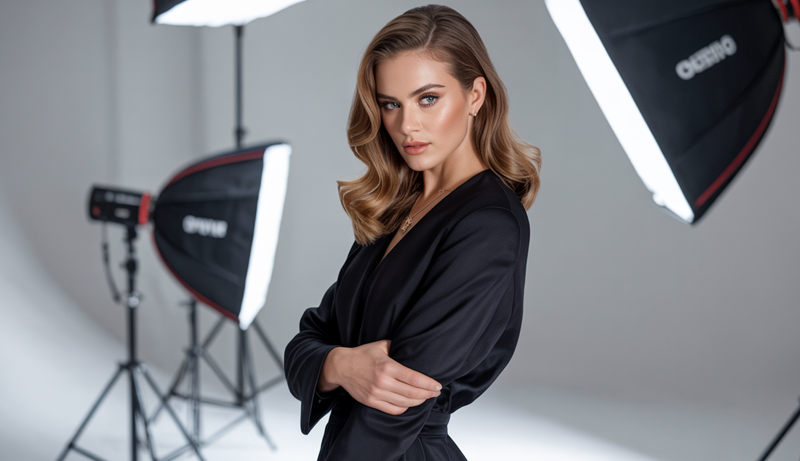
How Much Does a Model Get Paid Per Shoot?
The world of modeling often looks glamorous from the outside, but behind every polished image is a very real business conversation. Models, whether new or experienced, quickly learn that pay can vary just as much as the jobs themselves. From quick commercial shoots to high-end fashion campaigns, compensation depends on many moving parts that aren’t always obvious at first glance.
Understanding How Much Does a Model Get Paid Per Shoot is essential for anyone considering modeling as a career or side income. Rates are influenced by factors such as experience, location, client type, usage rights, and the length of the shoot. What seems like a short job can carry long-term value if the images are used widely.
For beginners, the numbers may feel confusing or even inconsistent. One shoot might pay modestly, while another offers significantly more for similar work. This difference often reflects the brand’s reach, budget, and how the content will be used.
By breaking down what affects modeling pay, it becomes easier to set realistic expectations and make informed decisions. Knowing the financial side helps models approach each opportunity with confidence and clarity.
How Much Does a Model Get Paid Per Shoot?
Model pay per shoot can vary widely, making it one of the most commonly asked questions in the industry. How Much Does a Model Get Paid Per Shoot depends on multiple factors rather than a fixed rate. Modeling is not a one-size-fits-all profession, and each job comes with its own pricing structure based on scope, demand, and usage.
Experience plays a major role in determining pay. Beginner or entry-level models often earn lower rates as they build portfolios and gain exposure. In contrast, experienced and professional models command higher fees due to their proven track record, confidence on set, and ability to deliver consistent results. Clients are often willing to pay more for reliability and strong brand alignment.
The type of shoot also heavily influences compensation. Commercial shoots, such as advertisements for brands, typically pay more than editorial or test shoots. Fashion editorials may offer lower or no pay but provide valuable exposure, while e-commerce, catalog, and advertising campaigns usually come with clearly defined rates and usage agreements.
Usage rights are another critical factor. If a brand plans to use images for billboards, online ads, or long-term campaigns, the pay increases accordingly. A short shoot can still be highly profitable if the images are licensed for broad or extended use, making usage one of the most important elements in rate negotiation.
Location and market demand further affect earnings. Models working in major fashion cities often earn more due to higher budgets and competition. Ultimately, understanding how these elements work together helps clarify How Much Does a Model Get Paid Per Shoot and allows models to approach each opportunity with realistic expectations and professional awareness.
What Does “Per Shoot” Mean in Modeling?
In the modeling industry, payment terms can sometimes feel confusing, especially for newcomers. One common phrase used in contracts and discussions is “per shoot,” which refers to how a model is compensated for a specific job. Understanding this term is important because it directly affects how models evaluate opportunities and negotiate fair rates.
When a model is paid “per shoot,” it means they receive a fixed amount for completing a single photo or video session. This payment is agreed upon in advance and usually covers a set number of hours, looks, or deliverables. Unlike hourly pay, the rate does not automatically increase if the shoot finishes early or slightly later than expected, unless stated in the contract.
The “per shoot” rate often includes basic usage of the images, such as website content or social media posts. However, it may not always cover extended usage like advertising campaigns or print media. In those cases, additional licensing fees are negotiated separately, which can significantly increase total earnings.
This payment structure is common in commercial, e-commerce, and catalog modeling. It allows clients to budget easily while giving models a clear understanding of what they will earn for the job. For models, knowing exactly what is included in the per-shoot fee helps avoid misunderstandings later.
Ultimately, understanding what “per shoot” means empowers models to protect their time and value. Clear terms ensure both the model and the client have aligned expectations, leading to more professional and successful working relationships.
Average Model Pay Per Shoot
Average model pay per shoot can vary significantly depending on experience level, industry segment, and location. There is no universal standard rate, which is why many people find modeling income confusing at first. Pay is shaped by market demand and the specific value a model brings to a project.
For beginner models, per-shoot rates are usually on the lower end. New models working on small commercial or local brand shoots may earn modest fees while they build their portfolios. These early jobs focus more on gaining experience, learning how sets operate, and establishing professional credibility.
Intermediate models often see a noticeable increase in pay. With a solid portfolio and some industry recognition, they may earn higher rates for e-commerce, catalog, and regional advertising shoots. At this stage, models are paid not only for their time but also for consistency, professionalism, and brand fit.
Professional and high-demand models command the highest per-shoot rates. These shoots often involve national or international brands, extensive usage rights, and larger budgets. Even short sessions can pay well due to the long-term commercial value of the images.
Location also plays a major role in determining average pay. Modeling markets in major cities tend to offer higher rates due to increased competition and larger client budgets. Understanding average model pay per shoot helps models set realistic expectations and negotiate confidently within their market.
Model Pay Per Shoot by Type of Modeling
Model pay per shoot varies widely depending on the type of modeling involved, the client’s budget, and how the images or videos will be used. Each modeling category has its own standards, expectations, and earning potential. Understanding these differences helps models assess opportunities realistically and choose work that aligns with their career goals and income needs.
Fashion Modeling
Fashion modeling is often associated with prestige and visibility, but pay can vary dramatically depending on the type of work. Editorial shoots for magazines are usually lower-paying or sometimes unpaid, especially for emerging models. These shoots focus more on exposure, creative collaboration, and portfolio development rather than immediate income. Well-known magazines may offer a stipend, but it is often modest compared to commercial work.
Runway modeling and photoshoots also differ in compensation. Runway jobs typically pay a flat fee per show, which may be lower than photoshoots but can add up during fashion weeks. Photoshoots, especially lookbooks or campaign shoots, tend to pay more because images are used repeatedly across platforms.
High fashion modeling generally pays less upfront than commercial fashion unless the model is highly established. Luxury brands often prioritize image and exclusivity over volume, resulting in selective but potentially lower per-shoot rates. Commercial fashion, on the other hand, focuses on mass appeal and retail sales, offering more consistent and higher-paying opportunities for models who fit broad brand aesthetics.
Commercial Modeling
Commercial modeling is one of the most financially stable and accessible categories in the industry. This type of modeling includes advertisements, catalogs, lifestyle branding, and promotional campaigns. Pay per shoot in commercial modeling is often higher than editorial fashion because the content directly supports sales and brand marketing efforts.
Large advertising campaigns for national or international brands usually offer strong per-shoot rates, especially when usage extends across digital, print, and broadcast platforms. These shoots often involve clear contracts outlining usage rights, duration, and distribution, which directly influence pay. A single commercial shoot can generate substantial income if the images are licensed broadly.
Corporate and small business campaigns tend to have smaller budgets but still provide reliable pay. These shoots may involve website imagery, brochures, or internal marketing materials. While rates may be lower than large ad campaigns, they often require less time and fewer exclusivity restrictions.
Commercial modeling values relatability, professionalism, and versatility. Models who can represent everyday lifestyles often find consistent work, making this category a dependable source of per-shoot income across many markets.
Fitness Modeling
Fitness modeling focuses on physical conditioning, athletic performance, and health-oriented branding. Pay per shoot in this category depends heavily on the brand’s reach and how the images will be used. Athletic brands often pay competitive rates, particularly for campaigns promoting activewear, footwear, or sports equipment.
Shoots for well-known athletic brands usually involve higher production value and broader usage rights, which increases compensation. These campaigns may appear in digital ads, social media promotions, and retail displays, making usage a key factor in determining pay. Models with strong physiques and athletic credibility are often compensated well for these shoots.
Supplement and gym campaigns vary more widely in pay. Smaller supplement brands or local gyms may offer lower flat rates, while established companies pay significantly more for professional-quality imagery. In some cases, compensation may include a mix of cash payment and long-term brand partnerships.
Fitness modeling often requires ongoing maintenance of physique and lifestyle alignment with the brand. While the demands are high, consistent work and repeat clients can make fitness modeling a profitable per-shoot category for dedicated models.
Glamour & Lingerie Modeling
Glamour and lingerie modeling typically offers higher per-shoot pay compared to many other categories, largely due to the niche nature of the work and its visual focus. These shoots often require confidence, professionalism, and clear boundaries, all of which are reflected in compensation.
Typical pay ranges depend on whether the shoot is for editorial, commercial, or brand-specific use. Established lingerie brands and subscription platforms usually pay strong per-shoot rates, especially when images are used for advertising or long-term campaigns. Smaller brands may offer lower rates but still compensate above average due to the specialized nature of the work.
Rights and exclusivity are critical considerations in this category. Brands may request exclusivity that prevents models from working with competing companies for a set period. This restriction increases pay but limits future opportunities during the contract term.
Because of the personal and brand-sensitive nature of glamour and lingerie modeling, contracts are often detailed. Models who understand usage rights, exclusivity terms, and image control are better positioned to secure fair and sustainable per-shoot compensation.
E-commerce & Product Modeling
E-commerce and product modeling has grown rapidly with the rise of online shopping. This category includes work for Amazon listings, Shopify stores, and direct-to-consumer brands. Pay per shoot is usually straightforward and based on efficiency, volume, and deliverables rather than artistic expression.
Many e-commerce shoots offer flat rates for a set number of products or images. These shoots are often fast-paced and highly structured, allowing models to complete multiple jobs in a short period. While individual rates may seem modest, consistent bookings can lead to steady income.
Bulk shoot pricing is common in this space. Models may be paid a single fee to model dozens of products in one session, which benefits both the brand and the model through efficiency. Higher-volume brands often provide repeat work, creating reliable earning opportunities.
Usage is typically limited to product pages and online stores, which keeps licensing simple. E-commerce modeling may not offer the prestige of high fashion, but it remains one of the most practical and accessible ways to earn consistent per-shoot income in today’s modeling market.
Model Pay Per Shoot by Experience Level
Model pay per shoot is closely tied to experience level, as clients often associate experience with reliability, efficiency, and overall performance on set. As models progress in their careers, their rates typically increase to reflect their skills, professionalism, and market value. Understanding how experience affects pay helps models set realistic expectations at each stage.
Beginner models usually earn lower per-shoot rates while they focus on building a portfolio and gaining on-set experience. These shoots may include local brands, small businesses, or test shoots with limited usage. Although the pay is modest, these early opportunities are valuable for learning industry standards and developing confidence in front of the camera.
Intermediate models, who have a strong portfolio and consistent work history, often see a noticeable increase in compensation. They are trusted to deliver results with minimal direction, making them more appealing to commercial clients and e-commerce brands. At this stage, per-shoot pay becomes more stable and predictable.
Experienced and professional models command higher rates due to their proven track record and strong personal branding. Clients are willing to pay more for models who can adapt quickly, understand creative direction, and represent a brand effectively across multiple platforms.
Experience also impacts negotiation power. Seasoned models are better equipped to discuss usage rights, exclusivity, and additional fees. As experience grows, model pay per shoot reflects not just time spent on set, but the overall value delivered to the client.
Model Pay Per Shoot by Location
Location plays a major role in determining how much a model gets paid per shoot. Modeling markets differ widely in terms of client budgets, competition, demand, and industry presence. A model working in a global fashion hub will often earn more per shoot than one in a smaller regional market, even for similar work. Understanding how location affects pay helps models make strategic decisions about where to work and how to price their services.
Major Fashion Capitals and Large Metropolitan Cities
Major fashion capitals and large metropolitan cities typically offer the highest model pay per shoot. These locations attract international brands, advertising agencies, production houses, and high-budget campaigns. Shoots in these cities often involve larger crews, professional studios, and extensive usage rights, all of which increase compensation. Clients expect polished results and are prepared to pay for experienced talent.
Competition in major markets is intense, which pushes models to maintain high standards of professionalism and consistency. However, despite the competition, demand remains strong due to the constant flow of fashion shows, commercial campaigns, editorial shoots, and e-commerce work. Models who establish themselves in these cities often gain access to recurring clients and long-term contracts.
Per-shoot pay in these markets also reflects the higher cost of living. Clients factor in local expenses such as transportation, studio rentals, and production costs. As a result, rates are structured to remain attractive to working professionals. For models with the right look, experience, and representation, large cities offer the greatest earning potential per shoot across multiple modeling categories.
Secondary Cities and Emerging Modeling Markets
Secondary cities and emerging modeling markets offer moderate but steady per-shoot pay. These locations may not have the global recognition of fashion capitals, but they often support strong regional industries, including retail brands, local advertising agencies, and growing e-commerce businesses. Pay rates are generally lower than major cities, but competition is also less intense.
Models working in these markets often find it easier to book consistent jobs, especially commercial and lifestyle shoots. Brands in secondary cities value reliability and versatility, and models who can adapt to different styles are frequently rebooked. Shoots may include catalogs, regional ad campaigns, corporate branding, and social media content.
While budgets may be smaller, clients in these markets often offer straightforward contracts with limited usage, making pay structures simpler. Models can sometimes negotiate higher rates by offering package deals or committing to multiple shoots. Secondary markets are especially appealing for models who want consistent income without the pressure and costs associated with major fashion hubs.
Small Towns and Regional Areas
Model pay per shoot in small towns and regional areas is usually lower compared to urban markets. These locations have fewer modeling opportunities and smaller client budgets, often limited to local businesses, startups, and community-based brands. Shoots may focus on websites, brochures, or small-scale advertising rather than large campaigns.
Despite lower pay, regional modeling work can still be valuable. Shoots are often shorter, less demanding, and closer to home, reducing travel and time expenses. For beginner models, these markets provide accessible entry points to gain experience, build confidence, and develop a portfolio without intense competition.
Rates in smaller markets are more flexible and may vary widely depending on the client. Some businesses may offer flat rates, while others negotiate based on time and deliverables. Models who understand local market value and communicate clearly can still secure fair compensation. Regional work is often best viewed as a foundation-building stage rather than a primary income source.
International Markets and Cross-Border Shoots
International markets introduce a wide range of pay structures influenced by local economies, industry standards, and currency values. Some countries offer exceptionally high per-shoot pay due to strong fashion industries and global brand presence, while others operate on more modest budgets. Models working internationally must adapt to different expectations and contract norms.
Cross-border shoots often include additional compensation for travel, accommodation, and time commitments. When covered by the client, these benefits can significantly increase the overall value of a shoot. International campaigns may also offer broader usage rights, which raises base pay and licensing fees.
Language, cultural norms, and legal requirements can affect negotiations and contracts. Experienced models or those working with reputable agencies are better positioned to navigate these complexities. While international modeling can be highly rewarding financially, it requires careful planning, clear agreements, and an understanding of how location-specific factors influence model pay per shoot.
Factors That Affect How Much a Model Gets Paid
Several key factors influence how much a model gets paid for a shoot, and understanding them is essential for evaluating job offers fairly. Model compensation is rarely based on time alone. Instead, it reflects a combination of creative value, business use, and market demand. These elements work together to determine whether a shoot pays modestly or offers a high return.
Experience and skill level play a major role in pricing. Models with a strong portfolio, consistent work history, and proven professionalism are generally paid more. Clients value models who require less direction, adapt quickly on set, and deliver reliable results, which justifies higher per-shoot rates.
Usage rights significantly affect pay. If images are used for large-scale advertising, long-term campaigns, or multiple platforms, compensation increases accordingly. Limited usage, such as website-only or internal content, usually results in lower pay. Clear licensing agreements are essential for protecting a model’s earning potential.
Location and market size also influence rates. Major cities and fashion hubs typically offer higher pay due to larger budgets and higher production costs. In contrast, smaller markets may pay less but provide easier access to consistent work.
Additional factors include shoot duration, exclusivity agreements, and brand reputation. Longer shoots, restricted competition, and high-profile clients often lead to increased compensation. Together, these factors shape how much a model gets paid and help explain why rates vary so widely across the industry.
How Modeling Agencies Affect Pay
Modeling agencies play a significant role in shaping how much a model gets paid per shoot. They act as intermediaries between models and clients, helping secure jobs, negotiate contracts, and protect professional standards. While agencies take a commission, they often help models access higher-paying opportunities that may be difficult to find independently.
One of the main ways agencies affect pay is through negotiation. Experienced agents understand market rates, usage rights, and exclusivity terms, allowing them to negotiate fair compensation on behalf of the model. This expertise often results in higher per-shoot pay compared to models negotiating alone, especially for commercial and advertising work.
Agencies also influence the type of jobs models receive. Well-established agencies work with reputable brands and production companies that have larger budgets. These clients typically offer clearer contracts, proper licensing, and timely payment, which improves overall earning stability.
For newer models, agencies help set appropriate starting rates. They prevent underpricing while ensuring the model remains competitive in the market. As a model gains experience and demand increases, agencies gradually raise rates to reflect growing value.
Although agencies charge a commission, usually a percentage of each job, the trade-off often benefits the model. Access to better clients, stronger contracts, and consistent work makes agencies a key factor in determining model pay per shoot.
How Models Get Paid (Payment Structures)
Modeling income is structured in several different ways depending on the type of job, client expectations, and usage of the content. Payment structures define how and when a model is compensated, helping both the model and the client set clear financial terms. Understanding these structures allows models to compare offers accurately, negotiate confidently, and avoid misunderstandings related to time, usage, and deliverables.
Per Shoot Payment Structure
The per shoot payment structure is one of the most common methods used in the modeling industry. Under this arrangement, a model receives a fixed amount for completing a single shoot, regardless of how many hours it takes, as long as it stays within the agreed scope. This structure provides clarity upfront, allowing models to know exactly what they will earn before accepting the job.
Per shoot payments are commonly used in commercial, e-commerce, and editorial modeling. The rate usually includes a specific number of looks, poses, or final images. If the shoot exceeds the agreed terms, additional fees may apply, but these must be clearly stated in the contract. This structure benefits clients by keeping budgets predictable while giving models a clear understanding of compensation.
Usage rights play a major role in determining per shoot rates. Limited usage typically results in lower pay, while broad or long-term usage increases the fee. For models, the per shoot structure offers simplicity, but it requires careful attention to contract details to ensure fair compensation.
Hourly and Day Rate Payment Structure
Hourly and day rate payment structures are often used for longer or more unpredictable shoots. In this setup, models are paid based on the number of hours or full days they work. This structure is common in fashion, runway fittings, live events, and extended commercial shoots where time requirements may change.
Hourly rates provide flexibility and ensure that models are compensated fairly if a shoot runs longer than expected. Day rates typically cover a standard number of hours, with overtime fees applied if the schedule exceeds that limit. This approach protects models from being underpaid for long or demanding sessions.
Clients often prefer day rates for complex productions that involve multiple setups or locations. For models, this structure offers transparency and time-based security. However, hourly or day rates may not always account for the long-term value of image usage, so licensing agreements are often negotiated separately.
Usage-Based and Licensing Payment Structure
Usage-based payment structures focus on how images or videos will be used rather than how long the shoot lasts. In this model, the base shoot fee covers the session itself, while additional fees are charged based on usage scope, duration, and platforms. This structure is common in advertising and large commercial campaigns.
Licensing fees increase when content is used for billboards, national advertising, or extended campaigns. The more exposure a brand gains from the images, the higher the compensation for the model. Usage-based pay recognizes the ongoing value of the model’s likeness and performance.
This structure requires clear contracts that specify usage duration, regions, and media types. Models who understand licensing can significantly increase earnings by ensuring their work is compensated beyond the shoot day itself.
Flat Rate and Bulk Shoot Payment Structure
Flat rate and bulk shoot payment structures are frequently used in e-commerce and product modeling. In these arrangements, models are paid a single fee to model multiple products or complete a high volume of images in one session. This structure emphasizes efficiency and consistency rather than creative variation.
Bulk pricing benefits clients who need large quantities of content quickly, such as online retailers or direct-to-consumer brands. For models, flat rates can be appealing when shoots are well-organized and time-efficient. Completing multiple products in one session can result in strong hourly earnings.
However, flat rates require careful evaluation. Models must ensure the workload, time commitment, and usage rights align with the offered pay. Clear communication is essential to prevent scope creep and ensure fair compensation.
Commission-Based and Residual Payment Structure
Commission-based and residual payment structures are less common but still important in certain modeling sectors. Commission-based pay involves earning a percentage of sales generated from a campaign, often seen in influencer or affiliate-style modeling arrangements. This structure ties income directly to performance and audience engagement.
Residual payments are more common in broadcast and large advertising campaigns. Models receive ongoing payments each time the content is reused or aired. This structure can provide long-term income beyond the initial shoot.
Both structures carry higher uncertainty but offer strong earning potential. Clear agreements and tracking systems are essential to ensure accurate and timely payments under these models.
Real-World Examples of Model Pay Per Shoot
Real-world examples help clarify how model pay per shoot works across different types of jobs and experience levels. In practice, compensation varies based on the client, usage, and market, even when the shoot length appears similar. A short session can pay very differently depending on how the content is used and who is hiring.
A beginner model working with a local clothing boutique may earn a modest flat fee for a short photoshoot used only on social media and the brand’s website. These shoots are often straightforward, with limited usage and small production teams. While the pay is lower, the experience helps build a portfolio and professional confidence.
In a commercial setting, a mid-level model hired for an e-commerce brand might be paid a higher per-shoot rate to model multiple products in one session. The images are typically used for online product listings, making the shoot efficient but consistent. Repeat bookings are common, creating steady income over time.
For larger advertising campaigns, experienced models often receive higher pay due to broader usage rights. A single shoot for a national brand may include digital ads, print materials, and long-term licensing. Even if the shoot lasts only a few hours, the compensation reflects the extended value of the images.
Fitness and lifestyle brands also offer strong examples of varied pay. A fitness model working on an athletic campaign may receive higher compensation due to brand visibility and specialized requirements. These examples show how model pay per shoot is shaped by real-world business needs rather than time alone.
How to Negotiate Your Pay Per Shoot as a Model
Negotiating pay per shoot is an essential skill for models at every stage of their career. Many modeling jobs do not come with fixed rates, which means models must confidently discuss compensation to ensure fair pay. Understanding your value and the details of the job makes negotiation a professional conversation rather than a confrontation.
Preparation is the first step to successful negotiation. Before responding to an offer, models should review the scope of work, shoot duration, usage rights, and exclusivity terms. Knowing how the images will be used allows you to assess whether the offered pay aligns with the value being provided. Clear information strengthens your position during discussions.
Experience and market awareness also matter. Researching average rates in your location and modeling category helps you avoid underpricing yourself. Even newer models can negotiate respectfully by explaining their rates and what they include, rather than simply accepting the first offer.
Communication style plays a major role in outcomes. Professional, calm, and direct conversations build trust with clients. Instead of focusing only on money, models can frame negotiations around usage, time commitment, and deliverables, which often leads to better overall compensation.
Finally, knowing when to walk away is part of negotiation. Not every opportunity is worth accepting. Setting minimum standards protects your long-term earning potential and establishes you as a professional who values their work.
Is Modeling Per Shoot Pay Worth It?
Modeling per shoot pay is one of the most common compensation methods in the industry, but its value depends on individual goals, experience, and job type. While some shoots offer strong financial returns for short time commitments, others prioritize exposure or long-term potential. Understanding when per shoot pay is worthwhile helps models make smarter career and income decisions.
Benefits of Per Shoot Pay for Models
Per shoot pay offers clarity and simplicity, which many models appreciate. Knowing the exact amount you will earn before stepping on set makes it easier to plan finances and evaluate opportunities. This structure works especially well for short, well-defined shoots where the scope of work is clear and controlled.
Another benefit is efficiency. Models can complete a shoot in a few hours and receive compensation that reflects the project’s overall value rather than time spent alone. This makes per shoot pay attractive for experienced models who work quickly and deliver consistent results. Multiple per shoot jobs in a week can add up to a reliable income stream.
Per shoot pay also encourages professionalism on both sides. Clients are motivated to stay organized, and models understand what is expected of them. When usage rights and deliverables are clearly outlined, this payment structure reduces misunderstandings and supports smoother working relationships across different modeling categories.
Challenges and Limitations of Per Shoot Pay
Despite its advantages, per shoot pay comes with limitations that models must consider. One common challenge is scope creep, where the client adds extra looks, locations, or deliverables without adjusting pay. Without a detailed contract, models may end up doing more work than originally agreed.
Another concern is time uncertainty. While per shoot pay assumes a reasonable timeframe, delays and long setups can reduce effective hourly earnings. This is especially challenging for newer models who may feel hesitant to speak up when a shoot runs longer than expected.
Per shoot pay may also undervalue long-term usage if licensing is not properly addressed. Images used repeatedly for advertising or brand promotion should generate higher compensation. Models who do not negotiate usage separately may miss out on earnings tied to the ongoing value of their work.
When Per Shoot Pay Makes Financial Sense
Per shoot pay is often worth it when the project has clear boundaries and fair compensation. Well-organized commercial, e-commerce, and advertising shoots typically offer strong per shoot rates that reflect both time and usage. These jobs provide predictable income and professional working conditions.
This payment structure also makes sense for models with efficient workflows and experience. The ability to deliver results quickly increases earning potential under per shoot arrangements. Models who understand contracts and confidently negotiate terms are better positioned to benefit financially.
Per shoot pay can also be worthwhile when combined with strategic goals. Some shoots may offer networking opportunities, repeat clients, or portfolio growth alongside reasonable pay. When evaluated carefully, per shoot compensation can be a valuable and sustainable option within a broader modeling career strategy.
Frequently Asked Questions (FAQs)
How Much Does A Model Get Paid Per Shoot On Average?
How much does a model get paid per shoot depends on experience, location, and the type of modeling job. On average, a beginner model may earn a modest amount per shoot, while experienced or professional models can earn significantly more. Commercial and advertising shoots usually pay higher than editorial or test shoots. You should always consider usage rights, shoot length, and brand size when evaluating whether the pay is fair.
Does Experience Level Affect How Much You Get Paid Per Shoot?
Yes, experience plays a major role in determining how much you get paid per shoot. If you are new, clients may offer lower rates while you build your portfolio and on-set skills. As you gain experience, confidence, and proven results, your value increases. Experienced models are often paid more because clients trust them to deliver professional results with less direction and fewer reshoots.
Are Models Paid More For Commercial Shoots Than Fashion Shoots?
In most cases, you will earn more per shoot in commercial modeling than in fashion or editorial modeling. Commercial shoots are directly tied to sales and advertising, which allows brands to allocate higher budgets. Fashion editorials often focus on exposure and creativity rather than pay. If earning income is your priority, commercial work is usually more financially rewarding per shoot.
Do Usage Rights Increase Model Pay Per Shoot?
Usage rights have a significant impact on how much a model gets paid per shoot. If your images are used only for a website or social media, the pay is usually lower. However, if a brand uses your images for advertising, billboards, or long-term campaigns, you should be paid more. Understanding and negotiating usage rights protects your earning potential.
Can You Negotiate How Much You Get Paid Per Shoot?
You can and should negotiate your pay per shoot as a model. Many offers are flexible, especially when usage, exclusivity, or shoot scope is unclear. You strengthen your negotiation position by knowing your market rates and clearly communicating what your fee includes. Professional negotiation helps you avoid being underpaid and sets healthy standards for future work.
Is Per Shoot Pay Better Than Hourly Pay For Models?
Per shoot pay can be better than hourly pay when the job is well-defined and fairly priced. You may earn more for a short, efficient shoot compared to hourly work. However, if a shoot runs long or includes unexpected deliverables, hourly or day rates may be safer. You should choose the payment structure that best protects your time and value.
Final Thoughts
Understanding model compensation requires looking beyond surface-level numbers and considering the full scope of each job. Pay is shaped by experience, location, usage rights, and the type of modeling involved. What may seem like a simple shoot can carry very different value depending on how the content is used and who the client is.
For anyone entering or growing in the industry, learning how much does a model get paid per shoot helps set realistic expectations and supports better decision-making. Clear contracts, proper negotiation, and market awareness all play a role in securing fair compensation. Models who understand these elements are better positioned to protect their time and professional value.
Ultimately, modeling per shoot pay can be worthwhile when approached with knowledge and confidence. By understanding the business side of modeling, you can choose opportunities that align with both your financial goals and long-term career growth.