What Camera Does Casey Neistat Use
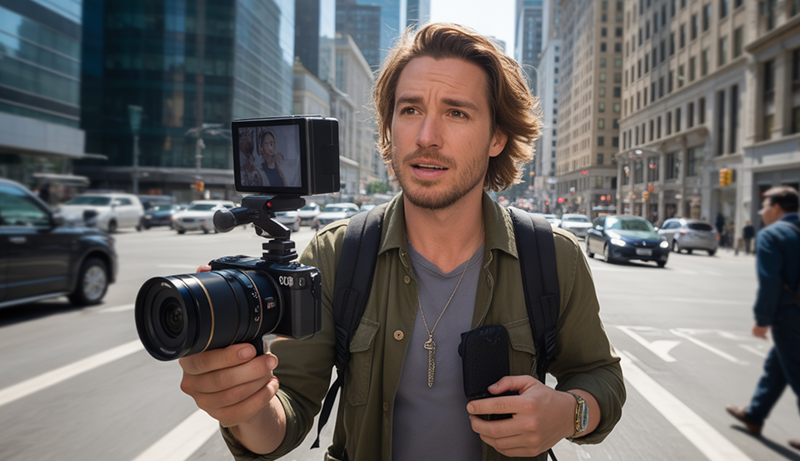
Few creators have influenced modern vlogging as deeply as Casey Neistat. His fast cuts, cinematic movement, and raw storytelling helped define a visual style that millions now recognize instantly. Behind that look is a practical approach to gear that values creativity over complexity.
Fans often notice how his videos feel both polished and spontaneous. That balance has sparked endless curiosity about the tools he relies on to capture daily life, high-energy travel, and intimate moments without breaking momentum or authenticity.
This curiosity naturally leads to one of the most searched questions among aspiring creators: What Camera Does Casey Neistat Use. The answer is more than a single model name—it reflects his philosophy of choosing gear that supports speed, durability, and storytelling above all else.
Understanding his camera choices offers insight into how professional-quality content can come from smart decisions rather than excessive equipment. For filmmakers and vloggers alike, his setup provides a realistic blueprint for creating impactful videos in real-world conditions.
What Camera Does Casey Neistat Use?
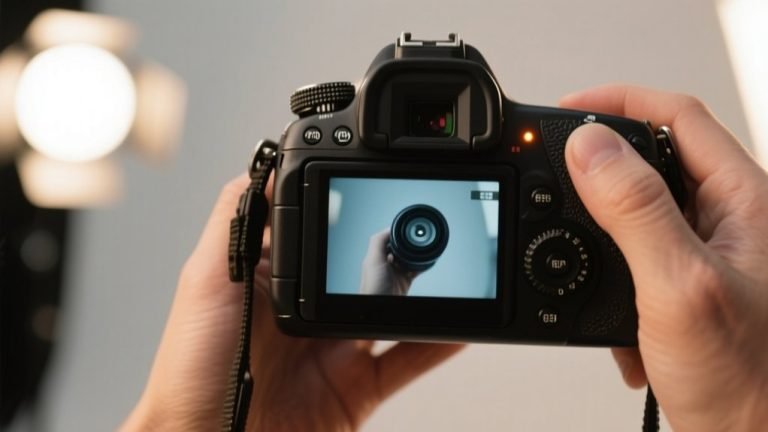
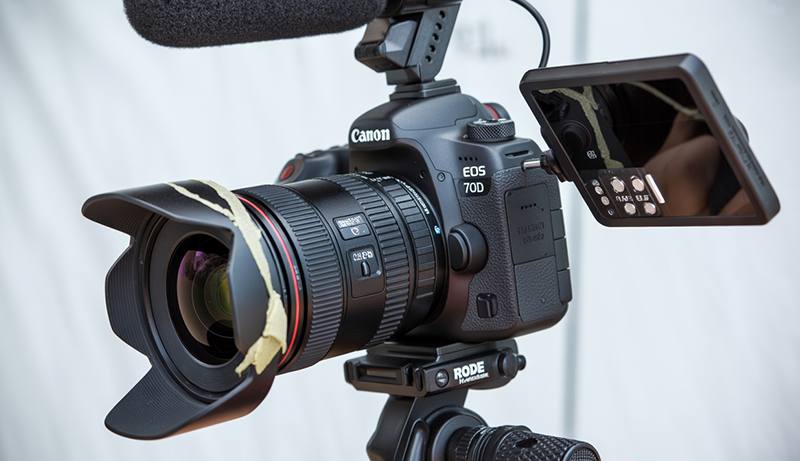
When people ask What Camera Does Casey Neistat Use, they are really asking how he consistently achieves a cinematic yet raw look that feels effortless. For years, Casey Neistat became closely associated with the Canon 70D, a DSLR that helped define the early era of YouTube vlogging. Its flip-out screen, reliable autofocus, and solid image quality made it ideal for handheld, run-and-gun storytelling.
As his filmmaking evolved, so did his gear. Casey later transitioned to mirrorless cameras like the Sony A7S series, particularly the A7S II. This camera offered superior low-light performance, in-body stabilization, and a compact form factor—perfect for fast-paced travel and unpredictable shooting environments. The switch reflected his need for flexibility rather than brand loyalty.
Another camera that frequently appeared in his workflow was the Canon EOS R. This marked his move into Canon’s mirrorless ecosystem, blending familiar color science with modern features like 4K video and improved autofocus. For Casey, reliability and speed mattered more than specs on paper.
Beyond main cameras, he often used action cameras such as GoPros for dynamic angles. These shots—mounted on helmets, bikes, or drones—added energy and perspective to his storytelling without slowing him down.
Ultimately, the answer to What Camera Does Casey Neistat Use is not fixed to one device. His choices show that the best camera is the one that keeps up with your ideas, survives daily use, and allows you to focus on telling a compelling story rather than managing equipment.
What Camera Does Casey Neistat Use Right Now?
When wondering What Camera Does Casey Neistat Use Right Now?, it’s important to understand that Casey’s gear has evolved over time as his creative needs and the technology around him have changed. While he’s historically relied on a mix of Canon and Sony cameras throughout his career, his current setup leans heavily toward compact, versatile gear that suits his spontaneous style of filmmaking.
At the heart of Casey’s current camera lineup is the Sony A7S III, a full-frame mirrorless camera known for excellent video quality, low-light performance, and a highly usable touchscreen—features Casey has specifically highlighted in discussions about cameras he likes. This body provides professional-grade imagery while still being portable enough to keep pace with his fast-moving shoots.
Alongside his main camera, Casey often reaches for small point-and-shoot options like the Sony RX100 series for everyday vlogging when he wants to travel light without sacrificing image quality. These cameras pack impressive autofocus and compact convenience, making them ideal for on-the-go content capture.
In addition to traditional cameras, Casey has embraced the flexibility of 360° action cameras like the Insta360 X5, which lets him capture immersive “impossible shots” that would be difficult with standard gear.
Despite all the technical gear, Casey himself has referred to the idea that gear should serve the story—not the other way around—reminding creators that the best camera is often simply the one that’s with you. In that spirit, his current setup reflects a blend of powerful main cameras and nimble backups that help him capture life as it unfolds.
Why This Camera Works for Vlogging
This camera works so well for vlogging because it aligns perfectly with the fast, unpredictable nature of daily storytelling. Vlogging rarely allows time for complex setups, and a camera that can be picked up and used instantly makes a huge difference. Quick startup, reliable autofocus, and strong image stabilization help ensure moments are captured as they happen, not missed while adjusting settings.
Another major reason is portability. A lightweight, compact camera reduces fatigue during long shooting days and makes it easier to film in public without drawing unnecessary attention. This freedom encourages more natural shots and helps creators stay focused on the story rather than the equipment in their hands.
Video quality also plays a critical role. Strong low-light performance allows vloggers to move seamlessly from bright outdoor scenes to dim indoor environments without sacrificing clarity. This flexibility is essential for creators who film throughout the day in constantly changing conditions.
Durability is equally important. Vlogging often involves travel, movement, and less-than-ideal weather. A camera that can handle bumps, vibrations, and frequent use builds confidence and reliability over time—qualities long valued by creators like Casey Neistat.
Finally, this camera works for vlogging because it supports a storytelling mindset. Instead of demanding constant technical attention, it stays out of the way and lets creativity lead. When the camera becomes a tool rather than a distraction, the result is more authentic, engaging, and consistent content.
Cameras Casey Neistat Has Used Over the Years
The evolution of Casey Neistat’s camera gear closely mirrors the evolution of YouTube itself. From early low-budget experimentation to high-end cinema tools and eventually compact mirrorless systems, his choices were never about trends—they were about solving creative problems. Each phase of his career reflects changing priorities: portability, speed, image quality, and the freedom to tell stories anywhere, anytime.
Early YouTube Years
In the early days of YouTube, Casey Neistat relied heavily on compact cameras and basic DSLR setups. At the time, high-quality video gear was expensive and not optimized for solo creators. Small point-and-shoot cameras were accessible, lightweight, and easy to carry, making them practical for documenting everyday life. Image quality was limited, autofocus was unreliable, and low-light performance was often poor, but these constraints shaped his creative style.
Instead of polished visuals, Casey leaned into storytelling, pacing, and strong narrative structure. Shaky footage, blown highlights, and rough audio became part of the aesthetic rather than flaws. He compensated for technical shortcomings with energy, voiceover narration, and fast editing. Movement replaced camera perfection, and authenticity mattered more than resolution.
Early DSLR use introduced shallow depth of field and better dynamic range, but these cameras were not designed for video-first creators. Manual focus issues and lack of articulating screens made self-filming difficult. Casey often improvised mounting solutions and shooting angles to make them workable.
These limitations forced innovation. By pushing consumer cameras beyond their intended use, he helped prove that compelling content didn’t require expensive gear. This mindset laid the foundation for his later gear decisions and influenced a generation of creators who focused more on ideas than equipment.
The Canon DSLR Era
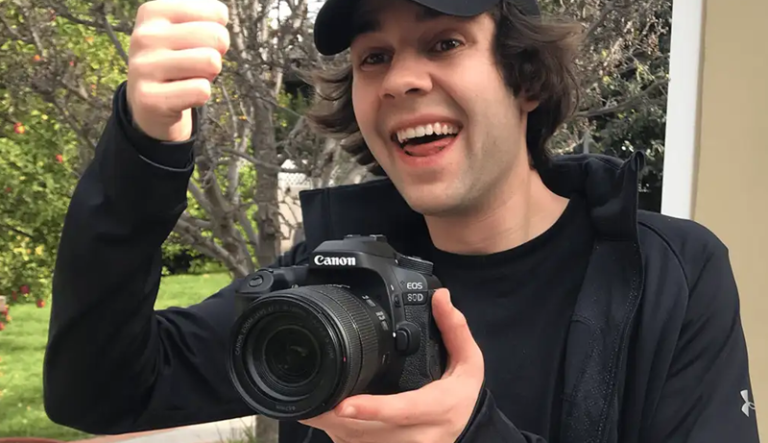
The Canon DSLR era marked a turning point in Casey’s vlogging career, most notably with cameras like the Canon 70D and later the 80D. These cameras offered a combination that was revolutionary for vloggers at the time: reliable video autofocus, strong color science, and—most importantly—a fully articulating flip screen. This single feature dramatically improved the solo-creator workflow.
The flip screen allowed Casey to frame himself accurately while moving, walking, or filming handheld. This reduced setup time and made spontaneous filming far easier. Canon’s Dual Pixel Autofocus also kept subjects sharp without constant manual adjustments, which was critical for his fast-paced shooting style.
Image quality during this phase was clean and consistent, helping his daily vlogs feel more professional without sacrificing speed. The DSLR form factor still had drawbacks—bulkier bodies, limited video codecs, and weaker low-light performance compared to later systems—but the balance worked.
This era defined the classic YouTube vlog look. Many creators adopted similar setups, and the Canon DSLR became almost synonymous with vlogging. For Casey, it was less about brand loyalty and more about functionality. The camera simply supported his workflow better than anything else available at the time.
The Cinema Camera Phase
As Casey’s projects grew larger and more ambitious, he began experimenting with cinema cameras such as the Canon C300 and C100. These cameras were a significant step up in terms of dynamic range, color depth, and professional video features. Built-in ND filters, XLR audio inputs, and robust codecs made them ideal for documentary-style filmmaking.
This phase reflected a shift toward higher production value and more controlled storytelling. The footage looked richer and more cinematic, especially in planned shoots or commercial work. These cameras performed exceptionally well in challenging lighting situations and delivered files that held up better in post-production.
However, cinema cameras also introduced friction. They were heavier, slower to set up, and less practical for spontaneous daily vlogging. Handheld shooting became more demanding, and mobility was reduced. For someone who thrived on movement and immediacy, this was a tradeoff.
Casey’s time with cinema cameras was exploratory rather than permanent. It helped him understand the benefits of professional tools while also highlighting their limitations for everyday storytelling. This experience ultimately reinforced his belief that the best camera is the one that keeps up with real life.
Transition to Mirrorless
The transition to mirrorless cameras marked one of the most important shifts in Casey Neistat’s gear philosophy. Sony mirrorless systems offered many of the advantages of cinema cameras—excellent dynamic range, strong low-light performance, advanced video features—without the bulk. Smaller bodies meant greater mobility, which aligned perfectly with his shooting style.
Mirrorless cameras also introduced in-body image stabilization, improved video codecs, and better battery efficiency over time. These features reduced the need for rigs and accessories, allowing Casey to stay lightweight and flexible. Autofocus performance improved dramatically, making fast movement and unpredictable shooting environments easier to manage.
Switching brands was not about abandoning Canon but about choosing tools that solved specific problems. Sony’s focus on video innovation gave him access to features that supported travel, low-light shooting, and long recording sessions without overheating or interruption.
This phase reflects maturity rather than experimentation. Mirrorless cameras provided a balance between professional image quality and everyday usability. They fit seamlessly into Casey’s workflow, reinforcing his long-standing approach: gear should adapt to the story, not the other way around.
Other Gear Casey Neistat Uses
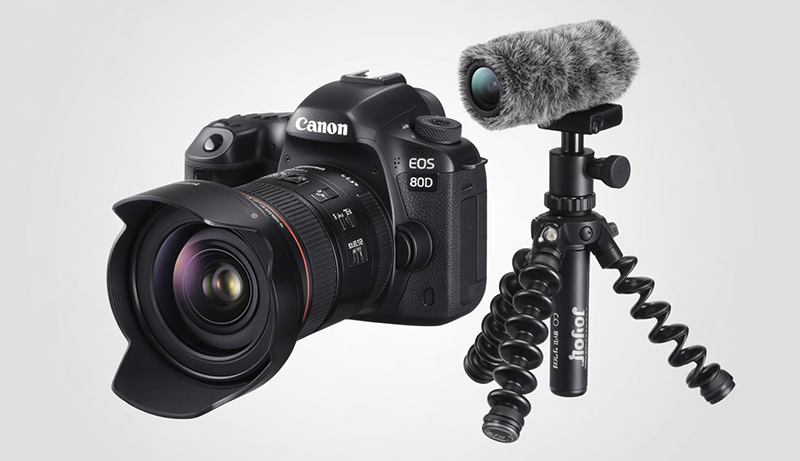
Beyond cameras, the supporting gear Casey Neistat uses plays a major role in shaping his unmistakable filmmaking style. Audio tools, stabilization choices, and drones all contribute to how immersive and dynamic his videos feel. Rather than chasing the most complex setups, his gear selections consistently prioritize speed, durability, and storytelling flexibility in real-world conditions.
Microphones
Audio has always been a critical part of Casey Neistat’s videos, even when visuals appear raw or spontaneous. He has consistently relied on on-camera shotgun microphones for most of his vlogging, favoring simplicity over elaborate audio rigs. Compact shotgun mics mounted directly on the camera allow him to capture usable dialogue while moving, walking, or filming in unpredictable environments.
These microphones are not studio-perfect, but they strike a balance between clarity and convenience. Directional pickup helps isolate his voice from background noise, which is essential when filming on busy streets, in airports, or during travel. The goal is intelligibility, not flawless sound design, and that philosophy aligns with his documentary-style approach.
Casey rarely uses lavalier microphones for daily vlogs because they slow down the shooting process. Attaching and managing wireless systems adds friction, which conflicts with his fast-paced workflow. On-camera mics let him start recording instantly without preparation.
Wind noise and environmental interference are accepted trade-offs. Instead of eliminating every imperfection, he focuses on maintaining consistent audio levels and ensuring the story remains clear. Minor flaws reinforce authenticity rather than detract from it.
This approach shows that audio quality doesn’t always require complex setups. For creators documenting life as it happens, reliable on-camera microphones offer a practical solution that supports momentum without compromising communication.
Stabilization & Mounts
Stabilization is another area where Casey Neistat’s choices reflect his priorities. Rather than relying heavily on motorized gimbals, he has long favored simple handheld solutions like GorillaPods and compact grips. These tools provide just enough stability while preserving the organic movement that defines his videos.
The GorillaPod, in particular, became a staple in his workflow. Its flexible legs allow it to function as a handheld grip, a tabletop stand, or a makeshift mount on railings and poles. This versatility enables quick setup changes without interrupting filming.
Casey avoids gimbals most of the time because they add weight, require balancing, and slow down spontaneous shooting. While gimbals produce ultra-smooth footage, they also create a polished look that doesn’t always fit his storytelling style. He prefers motion that feels human rather than mechanically perfect.
Natural camera shake adds energy and immediacy, especially during walking shots or action-heavy sequences. Combined with wide-angle lenses and in-camera stabilization, handheld footage remains watchable while retaining character.
This approach emphasizes intention over perfection. By choosing minimal stabilization, Casey maintains creative freedom and speed. His mounts support movement instead of controlling it, reinforcing the idea that storytelling benefits from flexibility more than flawless smoothness.
Drones
Drones have played a significant role in expanding the visual language of Casey Neistat’s videos. He has frequently used DJI drone models, relying on their reliability, image quality, and ease of use. Aerial shots allow him to establish location, scale, and context quickly, adding cinematic depth to otherwise personal narratives.
DJI drones offer stabilized footage, intelligent flight modes, and consistent performance, making them suitable for fast deployment. Casey often uses drones to capture cityscapes, travel transitions, and motion shots that would be impossible with handheld cameras alone.
Rather than using drones for spectacle alone, he integrates aerial footage into storytelling. A drone shot might introduce a new city, emphasize isolation, or highlight movement through space. These shots serve narrative purposes rather than acting as visual filler.
Speed is again a deciding factor. DJI drones can be launched, flown, and landed quickly, which aligns with his run-and-gun approach. Minimal setup time ensures aerial footage complements the shoot instead of dominating it.
By incorporating drones thoughtfully, Casey enhances perspective without losing intimacy. The contrast between expansive aerial views and close, handheld shots adds rhythm to his videos, strengthening emotional impact while maintaining narrative flow.
Best Alternatives to Casey Neistat’s Camera (By Budget)
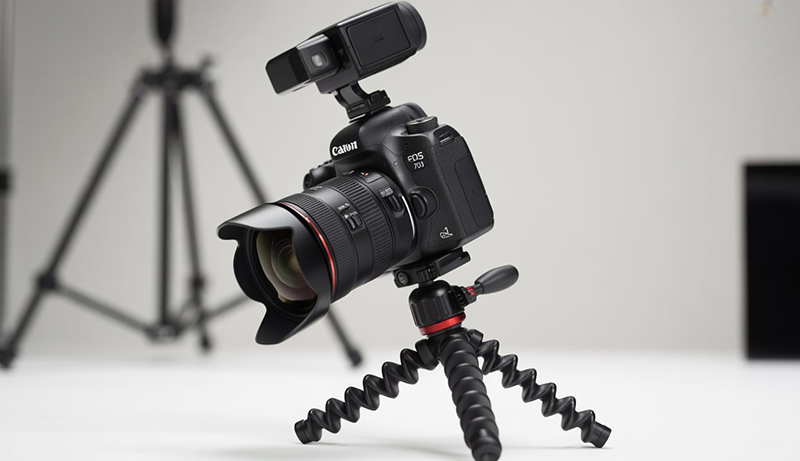
If you like Casey Neistat’s approach—portable, reliable, and built for storytelling—you don’t need to buy his exact kit to get similar results. This guide breaks down practical alternatives by budget so you can match features to your shooting style. Each tier focuses on the balance between image quality, ease of use, and portability: what matters most for run-and-gun vlogging and travel filmmaking.
Budget Option (Under $800)
For creators on a tight budget, look for entry-level mirrorless cameras or high-end compact point-and-shoots that maximize value. Key features to prioritize are a flip or tilting screen for self-recording, decent autofocus, good battery life, and at least 1080p/60fps video capability. These cameras won’t match pro low-light performance, but they deliver clean footage in daylight and are forgiving to handheld movement.
A compact body keeps you mobile—small enough to carry all day without strain. Many models in this range also offer image stabilization (in-body or lens) which reduces the need for bulky rigs. Lens ecosystems matter less at this stage; a good kit lens that covers wide to short telephoto is more useful than chasing exotic glass.
Audio is often the weakest link in budget setups, so plan to add an on-camera shotgun mic; a modest external microphone will dramatically improve perceived production value. Also focus on practical accessories: extra batteries, a small Gorillapod, and an ND filter for bright outdoor shoots.
Overall, the under-$800 bracket is about removing friction. Choose a camera that encourages consistent shooting by being lightweight, quick to use, and dependable—those are the same qualities that made Casey’s early gear choices work so well.
Mid-Range Option ($800–$1,500)
In the mid-range, you can step into genuine mirrorless systems built with video creators in mind. Cameras here tend to offer 4K recording, stronger low-light sensitivity, superior autofocus, and often in-body image stabilization (IBIS). These features enable smoother handheld footage, more flexible shooting in mixed lighting, and quicker post workflows.
This tier is ideal if you want a long-term vlogging camera that can also handle travel, event, and even client work. A flip screen remains important, but now you’ll also get better codecs and higher bitrates for more robust color grading. Lenses become a more meaningful investment—consider a compact, fast prime for low-light or a versatile zoom for run-and-gun shoots.
Mid-range bodies usually support external mics via 3.5mm or hotshoe, and some include headphone jacks for monitoring—useful for improving audio capture on the go. Battery life improves versus entry-level models, but it’s still wise to carry spares and a portable charger.
This bracket hits the sweet spot for creators who want professional results without carrying cinema-sized rigs. It’s where convenience meets quality: portable enough for daily vlogs, powerful enough for more polished projects.
Professional Option ($1,500+)
For creators ready to invest in top-tier performance, the professional tier offers full-frame mirrorless cameras and cinema-style bodies that deliver superior dynamic range, high-quality codecs, fast, reliable autofocus, and robust heat management for long recordings. These cameras are built to withstand heavy use and provide the image latitude needed for serious color work.
Beyond the body, this level gives you access to higher-quality lenses, faster primes, and specialty glass that dramatically shapes your look. Professional audio options expand too—XLR adapters, better preamps, and wireless systems become practical additions. Combined, these upgrades allow cinematic visuals and broadcast-level sound while maintaining mobility if you choose mirrorless over larger cinema rigs.
Gimbals, larger mounts, and more complex workflows are common in this bracket, but many modern professional mirrorless models minimize the need for heavy stabilization thanks to IBIS and advanced autofocus. Battery systems, media speeds, and durability are all designed for long shoots and travel.
This tier suits creators who want the freedom to produce everything from cinematic short films to high-end branded content while still vlogging. The tradeoff is cost and sometimes added complexity—but if your goals require maximal image quality and flexibility, professional gear delivers the tools to get there.
Frequently Asked Questions (FAQs)
What Camera Does Casey Neistat Use For Vlogging?
For most of his vlogging career, Casey Neistat has chosen cameras that prioritize speed, reliability, and portability. He is best known for using the Canon 70D during his daily vlog era, later transitioning to mirrorless cameras like Sony’s A7S series. His choices are driven less by specs and more by how quickly a camera lets him capture moments without interrupting the story.
Does Casey Neistat Still Use Canon?
He does not rely on Canon as exclusively as he once did. While Canon played a major role during his DSLR and cinema camera phases, he gradually shifted toward mirrorless systems from other brands, particularly Sony. This change was largely influenced by better low-light performance, smaller camera bodies, and video-focused features that suited his evolving workflow.
What Lens Does Casey Neistat Use Most?
He has most often favored wide-angle lenses. Wide lenses allow you to hold the camera at arm’s length while keeping yourself and the environment in frame. This choice enhances movement, creates a sense of immersion, and reduces focus issues when filming handheld. For vlogging, wide lenses also help stabilize motion and emphasize energy.
What Editing Software Does Casey Neistat Use?
He primarily edits his videos using professional non-linear editing software, most notably Final Cut Pro X. The software supports fast editing, smooth playback, and efficient workflows, which are essential for creators working under tight schedules. Speed and simplicity in editing matter just as much as camera choice in his production process.
Is Casey Neistat Sponsored By Camera Brands?
He has collaborated with brands over the years, but he is not known for being permanently sponsored by a single camera company. His reputation is built on authenticity, and he has consistently changed gear when it no longer served his needs. This flexibility suggests his camera choices are based more on practicality than sponsorship obligations.
Can You Vlog Like Casey Neistat Without His Exact Camera?
You absolutely can. His success comes from storytelling, consistency, and creative perspective—not just equipment. Any camera that offers good autofocus, decent audio support, and ease of use can work. The key is choosing gear that helps you move fast, stay inspired, and focus on telling compelling stories rather than managing complex setups.
Conclusion
Understanding the gear behind iconic videos helps clarify how style and storytelling come together. Throughout his career, Casey Neistat has shown that camera choice is about practicality, speed, and reliability rather than chasing the newest technology. His evolving setup reflects changing creative needs, not fixed brand loyalty.
When people ask What Camera Does Casey Neistat Use, the real takeaway is not a single model but a mindset. He selects tools that let him move quickly, capture real moments, and stay focused on the story instead of technical distractions. From DSLRs to mirrorless systems, every choice supports momentum and authenticity.
For creators, this approach is more valuable than copying exact gear. The right camera is the one that fits your workflow, encourages consistency, and helps you tell stories clearly. Equipment matters, but how you use it matters far more.